Deserts are among the toughest environments on the planet for one simple reason: they lack water. Humans require a steady supply of hydration to keep the body functioning normally, and the desert landscape rarely offers it. Along with that challenge, the extreme temperatures, scarce vegetation, and limited animal life make it even harder for people to endure. When food sources are limited and water even more so, every action and every decision becomes important.
Even with these harsh conditions, deserts cover an astonishing amount of the Earth’s surface—nearly one fifth of all land. What makes this even more remarkable is that more than a billion people live in or near desert regions. These communities have learned to adapt, cope, and build lifestyles suited to the challenges around them. Understanding how they manage these difficulties offers valuable lessons for anyone who might travel through or become stranded in such a place.
When you find yourself isolated in a wide, empty desert with little more than the clothes you’re wearing, the problem becomes urgent. The heat, the distance between landmarks, and the absence of shelter can quickly overwhelm you if you panic. Knowing how to locate water sources, preserve hydration, protect yourself from the sun, and navigate toward help becomes essential. These skills turn a life-threatening situation into something you can manage step by step.
Survival begins with five core principles: stay calm, conserve energy, search for water, protect yourself from sun exposure, and remain alert to wildlife threats. While many more tactics can help, mastering these basics gives you a strong foundation. Each action you take should be deliberate, practical, and focused on keeping your body safe from heat and dehydration.
14 Essential Desert Survival Tips
1. Stop and Think Before Acting
One of the most important strategies for survival is the classic Boy Scouts method known as STOP: Stop, Think, Observe, and Plan. This approach applies to any age, any skill level, and every type of emergency. The moment you realize you’re stranded, pause and calm your mind. Taking a minute to evaluate your surroundings will help you avoid wasted energy and unnecessary danger.
Once you've steadied yourself, consider the priorities:
-
Gather drinkable water however you can.
-
Locate shelter to escape the daytime heat.
-
Stay put if rescue is likely.
-
Travel only when you must—and only in one direction at night.
-
Find additional water sources whenever possible.
-
Identify at least one potential food source.
-
Look for ways to signal passing people or aircraft.
These actions form the backbone of survival. The desert can be unforgiving, but with a focused mind and a logical plan, your chances of reaching safety increase dramatically. This mindset also helps prevent emotional decisions, which often drain energy and lead you away from the steps that truly matter.
2. Stay Calm and Control Panic
Panic is dangerous in any emergency, but in the desert it can be deadly. The combination of heat, isolation, and urgency can cloud your judgment if you let fear take over. Keeping your thoughts steady allows you to make better choices and conserve the hydration your body desperately needs. Everyone reacts differently to stress, but working toward calmness is essential for survival.
Here are a few ways to stay mentally steady:
-
Accept that the situation is outside your control; dwelling on “what if” won’t help.
-
Find a practical task that contributes to your survival—creating shade, collecting water, or building a signal.
-
Evaluate what tools or items you have with you and imagine all the ways they might help.
-
Write down or mentally outline a small plan and adjust it as needed.
-
Do urgent tasks immediately but avoid rushing into anything uncertain or unnecessary.
-
Focus on staying alert, thoughtful, and physically efficient.
-
Protect your mental clarity—it is one of your most valuable survival tools.
Once you regain calm, your body wastes less water, your breathing slows, and your mind becomes sharper. In an environment as demanding as the desert, these advantages matter.
First Aid Essentials
If you’re injured, treating yourself quickly becomes just as important as finding water or shade. Even small cuts or burns can worsen rapidly in the heat, especially without proper care. Use any available medication, bandages, ointments, or sunscreen to stabilize yourself. If rescue is coming, stay where you are to avoid moving deeper into danger. Keeping your body in good condition helps preserve your strength for the steps ahead.
3. Decide Whether to Stay or Move
Your water supply determines whether you should remain in place or begin traveling. If you are confident that rescue is on the way—and you have enough water to stay hydrated—staying put conserves energy and makes you easier to find.
However, traveling during the heat can quickly drain your strength. The desert sun forces your body to lose water fast, even if you don’t feel sweaty. But when your water reserves are low, finding more becomes urgent. Humans can only survive around three days without water, so waiting too long can be deadly.

4. Understand the Dangers Around You
Hydration is your lifeline in a desert environment. Underestimating how much water you need can become a serious mistake. While you should avoid drinking your entire supply quickly, you should also avoid extreme rationing—focus instead on finding new water sources.
Recognize dehydration early. Warning signs include:
-
Dizziness
-
Fainting or near-fainting
-
Very dark, strong-smelling urine
-
Skin that feels loose or dry
If exhaustion sets in, stop walking and find shade immediately. Once shaded:
-
Remove extra layers of clothing to cool down.
-
Sip a lightly salty drink if available.
-
Place a damp cloth on your skin to release heat.
-
Avoid walking during peak sunlight hours to prevent heatstroke.
The Animal Factor
Most desert animals avoid humans, but some can still pose a threat. Pay close attention to your surroundings:
-
Scan the ground and nearby rocks carefully.
-
Use a stick to inspect small holes or shaded crevices—scorpions and spiders often hide there.
-
Beware of aggressive insects or snakes.
-
Be aware that some bee colonies in desert regions can be extremely defensive.
By staying alert, you reduce the risk of surprise encounters.
Be Careful with Cacti
While large cacti are easy to avoid, smaller spiked pieces on the ground can be dangerous. Their spines can puncture deeply and sometimes carry bacteria. Watch your step and avoid brushing against thorny plants.

5. Find Water Wherever You Can
In the desert, water becomes your number one priority. The body can endure hunger, but without proper hydration, survival becomes unlikely. You must find water sources quickly and creatively.
Common Water Sources in a Desert
Dried Riverbeds:
Even if a riverbed appears dry, moisture may still be present beneath the surface. Dig a hole in the lowest point where the sand feels cool or slightly damp.
Morning Dew:
In early morning hours, collect dew from cactus surfaces before it evaporates. The amount may seem tiny, but every drop helps replenish your fluids.
Rainwater:
If you’re fortunate enough to encounter rain, catch as much as possible using wide materials. Shape them to funnel water into containers.
Cactus Pulp:
Some cacti can provide drinkable moisture. Split the cactus, remove the inner pulp, and extract the liquid. Always research which cacti are safe in desert regions.
Solar Stills:
If you have plastic or tarp, use it to build a solar water still, which distills moisture from plants, soil, or other wet materials.
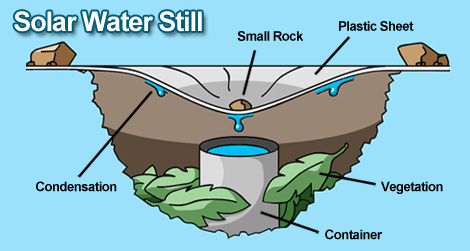
How to Build a Solar Water Still
-
Dig a circular hole big enough to fit your container.
-
Place the container in the center.
-
Surround it with wet material—cactus pulp, plants, or even urine if nothing else is available.
-
Cover the hole with plastic sheeting.
-
Seal the edges using heavy stones.
-
Position a small rock in the center of the plastic, directly above the container.
-
Allow condensation to form on the underside of the sheet. The droplets will run toward the low point and drip into the container.
This method is slow but effective in producing clean drinking water.
6. Find Shade and Protect Yourself
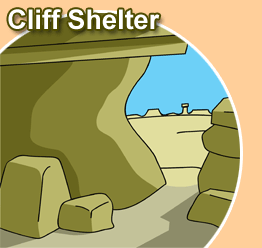
Shelter is essential for regulating body heat. During the day, stay out of direct sunlight as much as possible. Large rocks, cliffs, and overhangs offer valuable shade. Avoid removing clothing—it protects your body from sunburn and prevents rapid moisture loss. Lighter-colored clothing reflects heat better than dark colors.
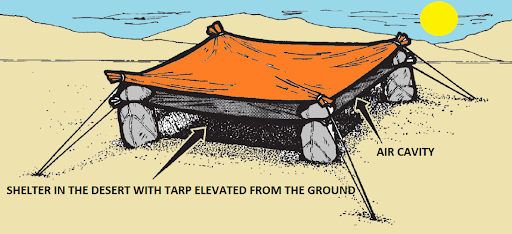
7. Build a Desert Shelter
Sandstorms and flash floods can affect certain desert regions, so choosing the right spot makes a difference. Avoid low areas where water might suddenly appear. A small ridge or hill is safer and more visible.
To construct a basic shelter:
-
Choose flat ground between two dunes.
-
Dig down about two feet.
-
Build a raised edge of sand around the hole.
-
Place sticks or supports at the corners.
-
Stretch dark material across the top for shade.
-
Leave space for airflow.
-
Add a second lighter layer to reflect sunlight.
Underground shelters stay cooler than the open air, offering relief from scorching heat. Once you’ve secured shade and water, you can focus on finding food.
8. Search for Food Sources
Deserts vary widely—some are barren, while others have patches of vegetation and wildlife. The hotter the environment, the harder it becomes to find food. When traveling, try to stay near greener areas, rocky valleys, or anywhere you might spot animals.
Protein sources such as lizards, snakes, rabbits, and birds are possible if you can catch or trap them. Insects, though less appealing, are generally easier to find and surprisingly nutritious. Avoid hairy or brightly colored insects; these tend to indicate toxicity.
Remember that eating food increases water needs. If hydration is limited, prioritize water over food.
Edible Insects
Creatures such as ants, tarantulas, and grasshoppers can be eaten after cooking. Heat kills bacteria and parasites, making them safer.
Edible Plants
Finding edible plants is difficult. Most desert plants are either protective or toxic. Cactus fruits, however, can be safe. Never consume inner cactus parts unless you are certain they are drinkable.
Snakes and Reptiles
Always cook these animals thoroughly. Many carry bacteria such as salmonella. Practice hygiene as much as possible—poor sanitation leads to illness.
Catching Snakes
Use a long forked stick to pin the snake’s head. Cut off the head and bury it to avoid accidental bites even after death.
Study the Terrain
Animals seek shade just as you do. Look under flat stones or near shrubs. Predators often leave behind remains of smaller animals. If necessary, you can retrieve fresh kills before they spoil.
Cooking Methods
If you have water, you can boil food using hot stones. Alternatively, create a simple stone oven by stacking rocks and heating them with fire. Ensure everything is thoroughly cooked to eliminate pathogens.
9. Use Fire Wisely
Although deserts are hot, fire remains an extremely useful tool. It allows you to cook food, signal for help, provide warmth at night, and discourage predators.
To create fire:
-
Gather dry wood and sticks.
-
Build a small teepee structure with tinder at the center.
-
Use glasses or any reflective material to focus sunlight onto the tinder.
-
Blow gently when smoke appears.
Plow Method
-
Find softwood and carve a groove.
-
Place tinder at one end.
-
Use a hard stick to plow back and forth.
-
Once embers form, add small twigs.
Other friction methods, like a bow drill, can be prepared if you know how. Practicing these techniques beforehand greatly increases your survival chances.
10. Traveling and Resting Wisely
When you must move, timing is everything. Daytime heat drains energy fast, while nighttime offers cooler conditions and slower dehydration.
Travel at Night
Walk during sunset, twilight, night, and early morning hours. This reduces water loss and helps you conserve strength.
Rest During the Day
Stay shaded during midday. Avoid unnecessary movement. Your body cannot afford rapid hydration loss.
Walk in One Direction Only
Without a compass, choose a path and commit to it. Use the sun’s position to track east and west. Pick distant landmarks ahead of you and behind you so you don’t accidentally circle back.
11. Stay Alert for Predators
Many desert predators emerge at night. Even though most avoid humans, some can be dangerous.
Mammals
Coyotes, bobcats, mountain lions, and javelinas may roam desert areas. Creating a simple defensive tool—like a sharpened stick—can provide some protection.
Insects and Spiders
Scorpions and venomous spiders are common. Keep clothing tucked, avoid sleeping directly on the ground, and shake out clothes before wearing them.
12. Focus on Getting Rescued
A reflective object is one of the best rescue tools you can have. Mirrors, metal, or any shiny material can signal aircraft from far distances.
Signaling Tips
-
Use as many visual and audible signals as possible.
-
Fire and smoke attract attention quickly.
-
Wear bright colors to increase visibility.
-
Use whistle bursts in sets of three—an international distress pattern.
-
If you have a car, stay near it; it’s easier to spot than a person.
-
If you move, leave a note explaining your direction and time.
13. Plan Ahead Before Your Trip
Preparation is the strongest form of survival. People who enter the desert with knowledge, supplies, and a plan have the highest chance of making it through an emergency.
Packing Essentials
-
Light-colored cotton clothing
-
Head covering and sunglasses
-
Warm layers for nighttime
-
Multiple water containers stored in shade
-
Tools, knives, or simple weapons
-
Energy-dense foods
-
Items containing salt
-
Enough water for several days—your most essential supply
Prepared travelers avoid unnecessary risks and know exactly how to react when danger strikes.
Prepare for Desert Nights
Although the day is boiling hot, desert nights can become surprisingly cold. An emergency blanket, warm clothing, or a sleeping bag helps maintain body heat. Staying warm at night preserves your energy for the next day’s challenges.
14. Build a Survival Kit
A well-stocked survival kit increases your ability to handle unpredictable situations. It should be light enough to carry but contain tools that genuinely help you stay alive.
Items to include:
-
Emergency blankets
-
Rope
-
Water purification tablets
-
First-aid supplies
-
Alcohol wipes
-
Fire-starting tools
-
Flashlight or headlamp
-
Knife
-
Compass
-
Signaling mirror
-
Sunscreen
-
Gloves
-
Dust mask, sunglasses, and a hat
Your survival depends on your plan, mindset, supplies, and ability to locate water. Stay practical, stay calm, and do everything possible to keep yourself hydrated, protected, and visible.