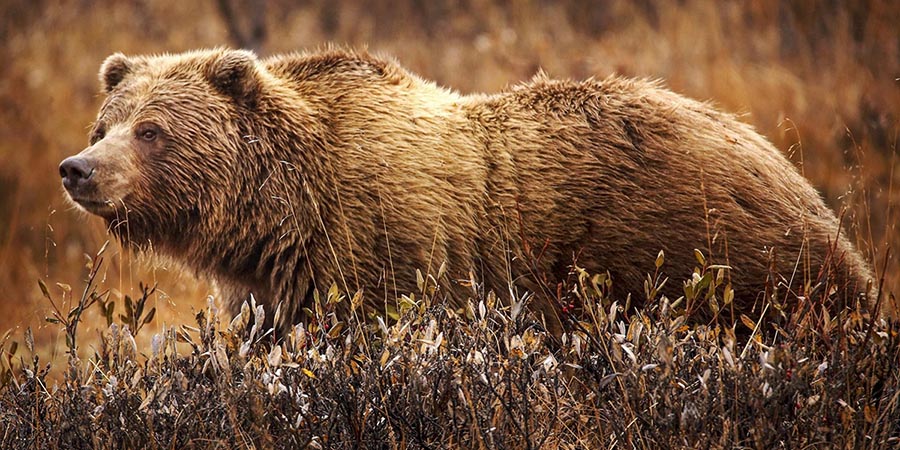
Walking through a forest can feel peaceful and energizing — the kind of quiet that clears your head and lets you enjoy nature without distractions. But the reality is that forests are also home to animals that defend their territory, protect their young, and react instinctively when startled. Most wildlife wants nothing to do with humans, yet the wrong movement, a sudden noise, or simply being in the wrong place at the wrong time can turn a calm encounter into a frightening situation. And in those moments, knowing exactly how to behave can be the difference between getting away safely and becoming a target.
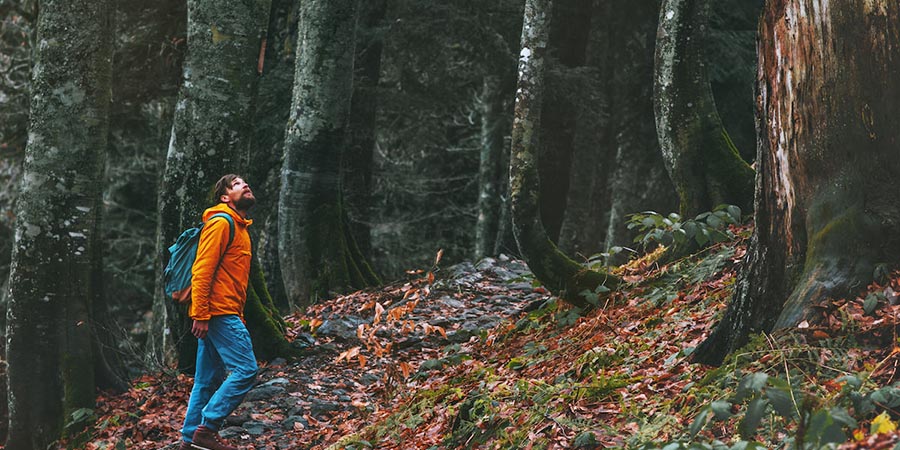
When you step into the woods, whether for a hike, a hunt, or just a quiet afternoon outdoors, you never expect things to go wrong. Yet even experienced outdoorsmen and regular hikers can lose their sense of direction in an unfamiliar forest. A wrong turn, a fading trail, a dead phone battery, or a mechanical failure on a remote back road is all it takes to find yourself suddenly alone with nothing but your instincts. In that moment, the familiar world feels far away, and every sound, shadow, and rustling leaf takes on new weight.
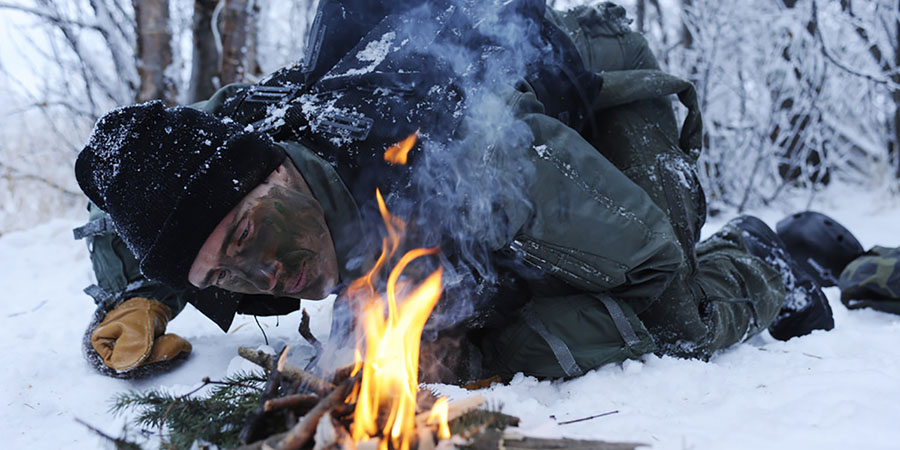
In any emergency, providing first aid is already challenging. You are dealing with stress, limited tools, and often very little time. Add freezing temperatures, snow, and ice on top of that, and the job becomes dramatically tougher. The same wound that would be manageable on a warm summer day can turn life-threatening when biting wind, icy ground, and numb fingers get involved.

Deserts are among the toughest environments on the planet for one simple reason: they lack water. Humans require a steady supply of hydration to keep the body functioning normally, and the desert landscape rarely offers it. Along with that challenge, the extreme temperatures, scarce vegetation, and limited animal life make it even harder for people to endure. When food sources are limited and water even more so, every action and every decision becomes important.