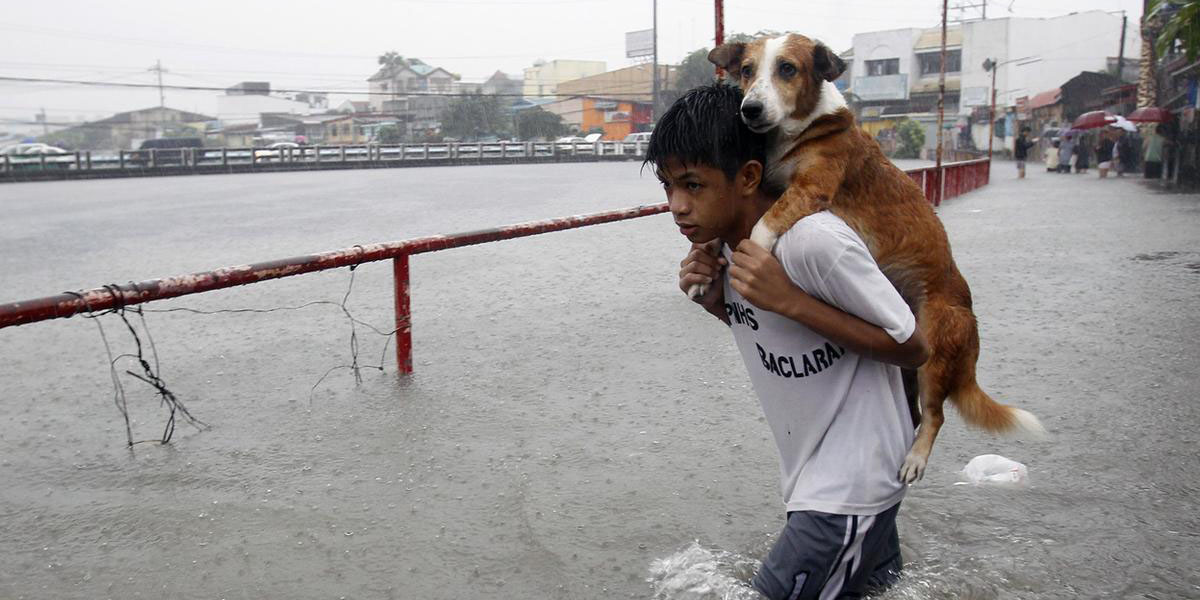
Hurricanes don’t simply bring wind; they bring an overwhelming mix of hazards. Torrential rainfall, violent gusts, storm surges, and rapid flooding can hit a region all at once, often overwhelming both people and infrastructure. Communities that seem peaceful and predictable can be turned upside down within hours, which is why knowing how to prepare, how to stay safe while the storm is happening, and how to protect yourself and your home afterward makes an enormous difference.

Hurricanes usually arrive fast and aggressively. Strong winds tear through neighborhoods, rain falls in sheets thick enough to blur visibility, and low-lying areas can flood almost instantly. If you live in a region where hurricanes are possible, having a well-thought-out safety plan isn’t optional—it’s essential. A good plan helps you avoid last-minute chaos, keeps your family coordinated, and ensures that small oversights don’t become life-threatening problems.
Meteorologists have noted that some recent hurricane seasons have been unusually active, with several storms strengthening into major systems capable of profound damage. When a season is expected to produce multiple strong hurricanes—especially when it overlaps with other community challenges, such as health emergencies—it becomes even more critical to think ahead rather than react at the last second.
Because of this, specialists across emergency fields have put together some of the most important hurricane safety recommendations available. These insights cover everything you need: what to do before the storm arrives, how to behave during the peak of the hurricane, and how to navigate the dangerous aftermath.
Before the wind picks up or the rain begins, take the time to walk through these guidelines. They’re meant to help you protect yourself, safeguard your belongings, and stay organized when everything around you feels unpredictable.
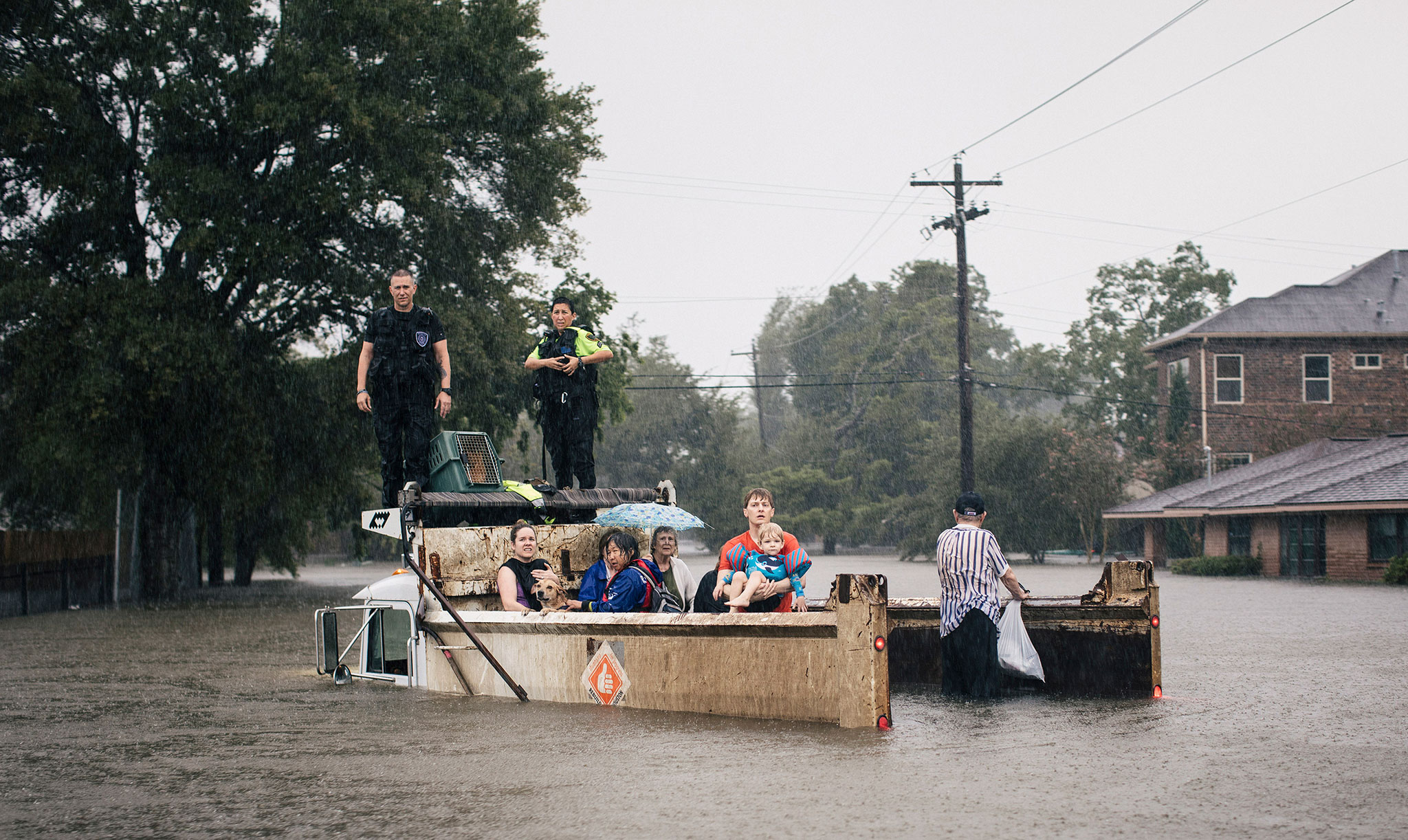
The checklist below draws from multiple respected sources, including guidance from the National Hurricane Center, FEMA, and the American Red Cross. These organizations study storms extensively and update their recommendations based on real-world disasters, making their combined advice one of the most reliable foundations for hurricane preparedness.
What Exactly Is a Hurricane?
A hurricane is a form of tropical cyclone—a rotating system of clouds and thunderstorms organized around a low-pressure center. These storms can sustain themselves for more than two weeks over warm ocean waters, and depending on conditions, they can travel up the entire length of a coastline, impacting major cities, quiet barrier islands, and everything in between. What officially separates a hurricane from a tropical storm is wind speed: once sustained winds reach at least 74 mph, the system becomes classified as a hurricane.
These storms may feel unpredictable, but understanding their nature helps you appreciate why thorough preparation matters so much. The combination of wind, water, and storm surge makes hurricanes uniquely destructive even when they don’t directly hit your neighborhood.
Safety Guidelines for Hurricanes
Preparing Before the Hurricane Arrives
-
Secure your property as early as possible. Permanent storm shutters provide the strongest protection for doors and windows, but if that isn’t available, marine-grade plywood cut to size and ready to mount is the second-best option. Taping glass does little to stop breakage.
-
Reinforce your roof by installing straps or clips that help anchor it to your home’s frame. This reduces the chances of the roof lifting during severe gusts.
-
Trim trees and shrubs so wind doesn’t turn loose branches into dangerous projectiles.
-
Clear all gutters and downspouts to make sure rain can drain properly during heavy downpours.
-
If you own a boat, research your nearest safe docking or anchoring options before the storm season begins.
-
Move anything stored in a basement onto elevated surfaces to prevent water damage during unexpected flooding.
-
Place valuable items on upper floors or high shelves—photo albums, important keepsakes, and anything that would cause heartache if lost.
-
Store household chemicals on high shelves with tightly secured lids. If these mix with floodwater, they can create hazardous contamination.
-
Consider constructing or designating a safe room within your home.
-
Keep a fire extinguisher where it’s easy to reach.
-
Make sure your pets wear updated identification tags.
-
Prepare a waterproof file for crucial documents. Scan or photograph IDs, passports, tax documents, medical information, and legal papers. Store copies both digitally and in a sealed container you can take with you.
-
Assemble a complete emergency kit including prescription medications, enough food and water for at least three days (including for pets), flashlights, batteries, and some cash.
-
Know your evacuation routes, and locate nearby shelters. Keep a ready-to-grab evacuation bag.
-
Fill plastic containers with drinking water, thinking ahead about what you’d need if stuck without power for several days.
-
Keep all vehicles fully fueled.
-
Download the Red Cross Emergency App on your phone or text “GETCANE” to 90999 for updates and resources.
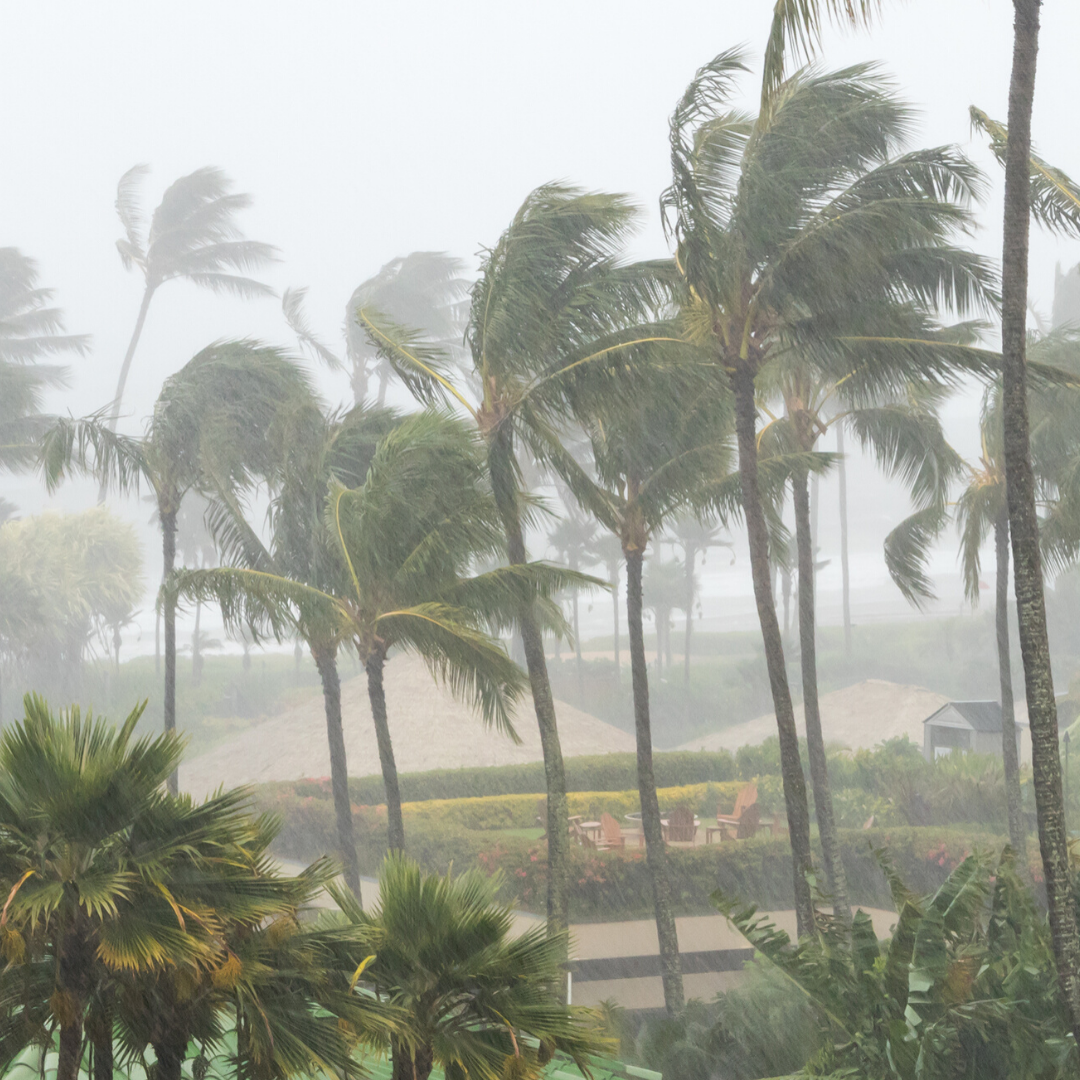
When a Hurricane Begins Moving Toward Your Area
If a hurricane is expected to approach your region, take these actions promptly:
-
Stay updated through local radio, NOAA broadcasts, television reports, and reputable online sources. Take evacuation warnings seriously.
-
Secure your home: close storm shutters, and remove or tightly fasten awnings. Strong winds can turn unsecured items into airborne hazards.
-
Bring all outdoor items indoors—furniture, bikes, planters, grills, toys, and anything else that isn’t anchored firmly.
-
Turn off utilities if instructed. Otherwise, set your freezer and refrigerator to their coldest settings and keep the doors shut.
-
Move items sensitive to temperature changes—like food and medications—from the refrigerator into the freezer.
-
Turn off propane tanks in advance.
-
Move electronics to higher shelves to reduce the risk of water damage.
-
Charge your phone fully, then avoid unnecessary use so the battery lasts.
-
Keep some cash with you; electronic payment systems may fail during power outages.
-
Secure your boat if there’s time.
-
Store water for sanitary needs by filling tubs and large containers.
-
Keep emergency supplies together: fire extinguisher, first-aid kit, medications, blankets, flashlights, batteries, nonperishable foods, water, maps, GPS, jumper cables, toiletries, and rain gear.
-
Stay indoors as conditions worsen.
Evacuate if any of these apply to you:
-
Local authorities order an evacuation—leave immediately and follow official routes.
-
You live in a mobile home or other temporary structure.
-
You live in a high-rise building, where wind speeds are more intense.
-
Your home is on the coast, in a floodplain, near a river, or along an inland waterway.
-
You simply feel unsafe—trust your instincts.
Establish a meeting point with family members in advance. Power outages often disrupt cell service, and knowing where to reunite reduces panic if you get separated. Once you evacuate, only return when authorities confirm it’s safe, and never attempt to walk or drive through floodwater.
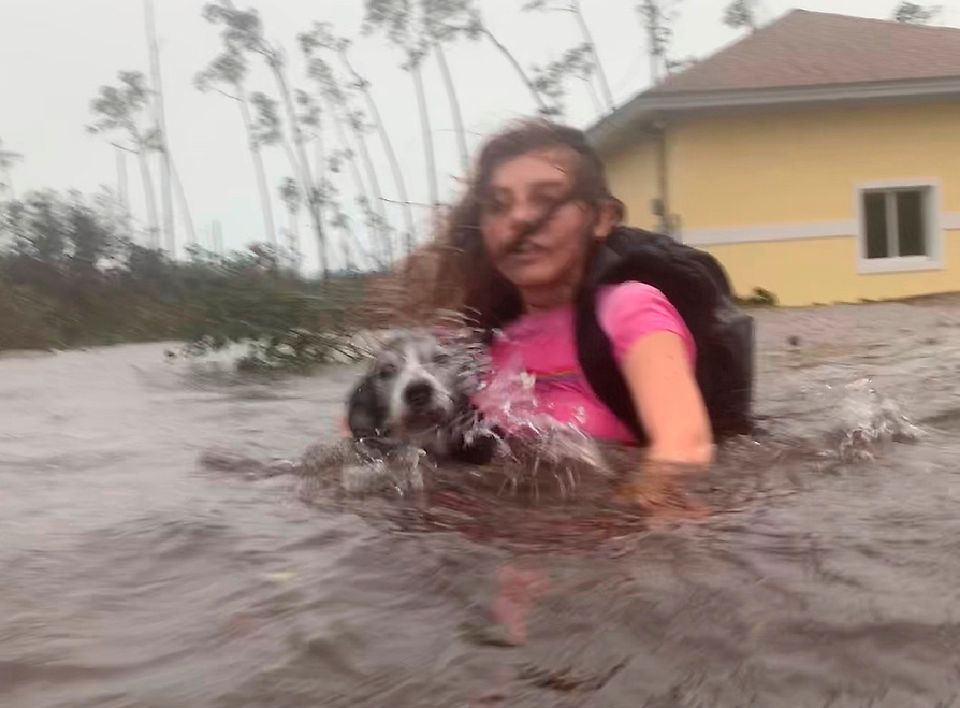
During the Hurricane
If you remain at home, move to your predetermined safe room. If you don’t have one, follow these safety steps:
-
Stay away from windows and glass doors.
-
Close all interior doors and secure exterior ones as firmly as possible.
-
Keep curtains and blinds shut. A sudden calm period may simply be the eye of the storm—winds will return.
-
Take shelter in a small, windowless interior room on the lowest floor.
-
Lie on the ground under a sturdy piece of furniture for added protection.
After the Hurricane Has Passed
Recovering from a major storm takes time, patience, and caution. Even after the winds quiet, many dangers remain.
-
Contact loved ones to confirm your safety.
-
Do not return home until authorities give permission. Floodwater, debris, and electrical hazards may still be present.
-
Do not drink tap water until officials declare it safe.
-
Check your refrigerator and freezer temperatures. If food has stayed at 40°F (4°C) or below, it is safe; otherwise, dispose of it.
-
Throw away any food that touched floodwater, no matter how it looks.
-
Photograph property damage and contact your insurance company promptly.
-
Begin airing out or removing water-damaged items immediately to reduce mold growth.
-
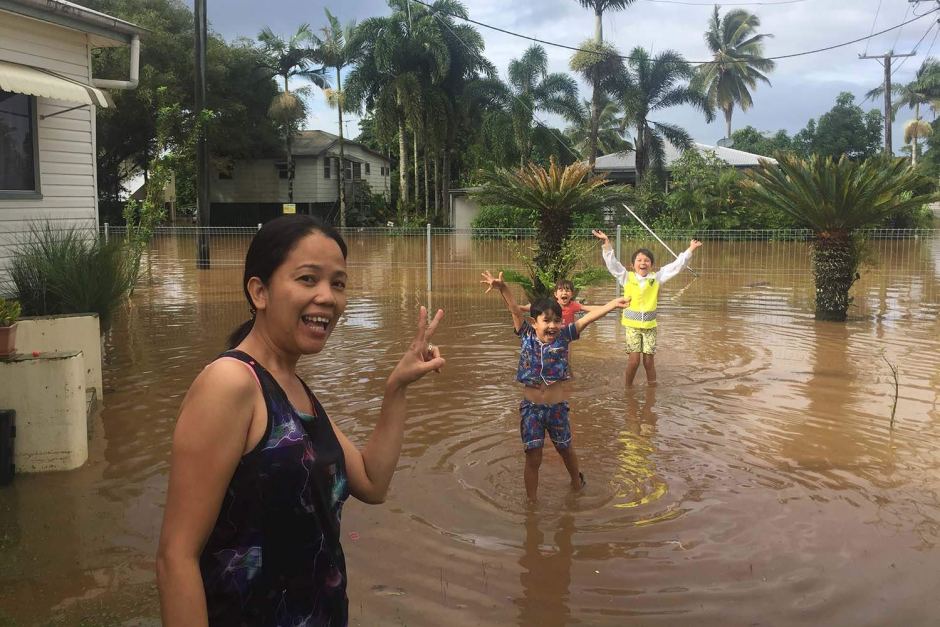
Do not walk or drive through flooded areas—water may be electrically charged or contaminated, and fast-moving currents can knock down even strong adults.