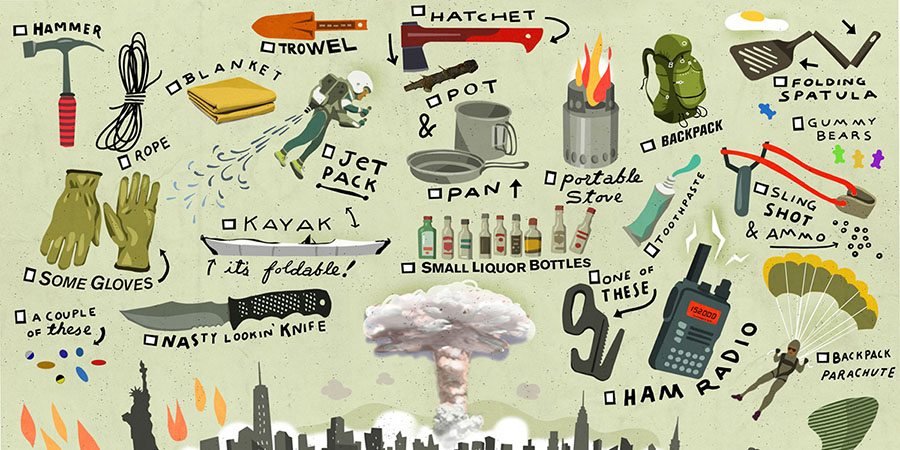
Preparing for large-scale emergencies — whether nuclear fallout, widespread disease, or total civil breakdown — demands more than basic readiness. Stocking water, food, and ways to make fire or electricity is only the beginning. Real survival means anticipating the unexpected, thinking ahead when others freeze, and gathering tools that help you stay alive when the world around you stops functioning the way it should. Once you move beyond the fundamentals, you start looking at the gear that can genuinely elevate your ability to endure chaos.
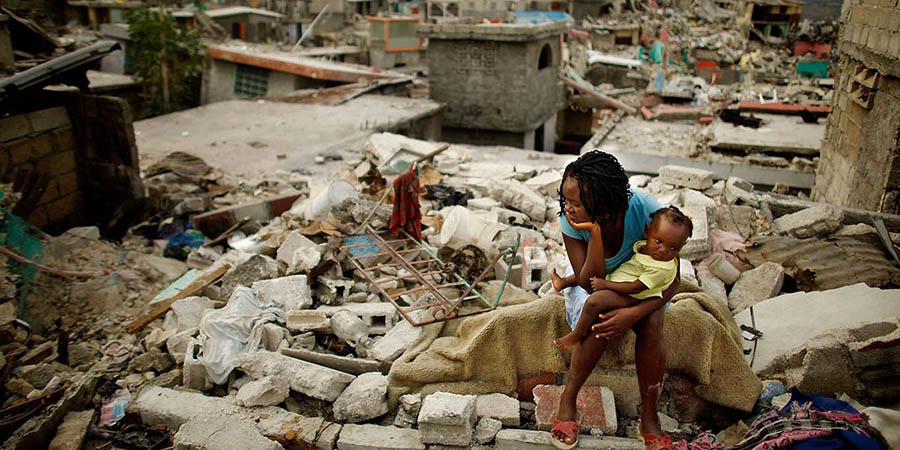
Earthquakes are some of the most unpredictable natural disasters we face. They don’t arrive with dark clouds, warning sirens, or visible signs you can track from a distance. One moment life feels normal, and the next the ground moves beneath your feet with enough force to shake buildings, break roads, and put entire communities into chaos. Because earthquakes strike without any real warning, the decisions you make long before one hits can shape how safely you come through it.
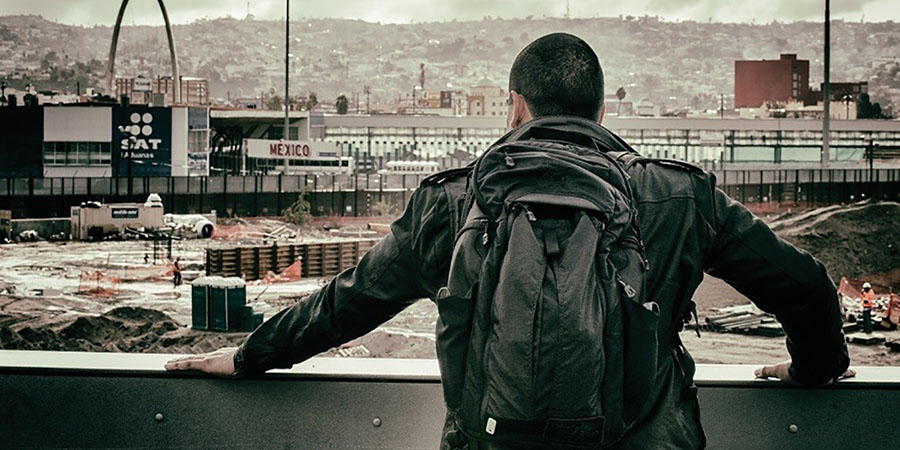
Urban survival has its own rhythm, a kind of tense heartbeat that blends routine city living with the harsh reality that disasters don’t wait for ideal conditions. While wilderness survival often focuses on nature’s unpredictability, surviving in a city during crisis becomes a far more shifting and human-driven challenge. The landscapes are still jungles, only these ones are built from concrete, steel, noise, and crowds. Thriving — not just scraping by — means understanding how people behave, how systems break down, and how to move through dense environments without drawing unnecessary attention.
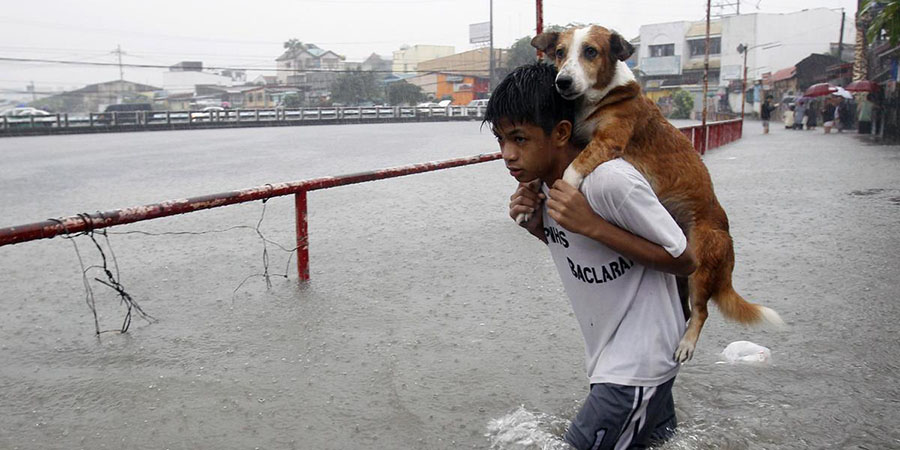
A hurricane is a powerful tropical system that forms over warm ocean water, building from humble clusters of thunderstorms into an enormous rotating storm with winds that exceed 74 mph (119 km/h). These storms tend to form during late summer and early fall, but they don’t send polite invitations before arriving. They can strengthen unexpectedly, shift course without warning, and turn a calm coastline into a dangerous battleground in less than a day. The smartest approach is to treat readiness as a year-round habit rather than a seasonal task.