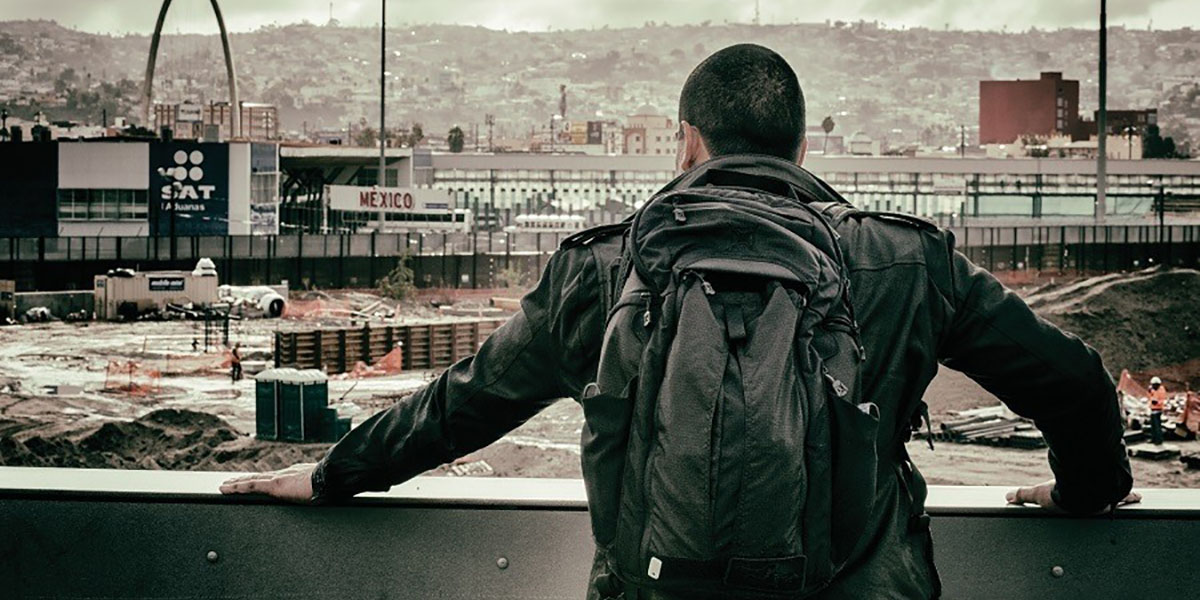
Cities have always pulled people inward. As urban populations keep rising, the pressure within these crowded spaces becomes even more significant during disaster scenarios. The United Nations noted years ago that more than half the planet lived in urban centers, which translates to billions of people relying on fragile infrastructures. And those numbers have only climbed since. Every packed street, every high-rise, every neighborhood grid becomes a potential obstacle when something goes wrong.
In the United States alone, most people live in urban environments while these environments occupy only a small fraction of the land. It means thousands of people squeezed into small pockets — and when something major happens, you are likely to be caught right in the middle of it. Even those who live outside the city often work inside it, spending long hours each day surrounded by dense populations and vulnerable systems.
This makes developing strong and adaptable urban survival skills not just a hobby for the cautious, but a genuine necessity. Disasters don’t warn you, and they rarely strike when you’re comfortably at home. This guide breaks down the essential survival abilities you need specifically for urban areas — skills that go far beyond general preparedness and directly relate to what you will face in cities.
Important Urban Survival Skills
1. Blending Yourself Into the City Environment
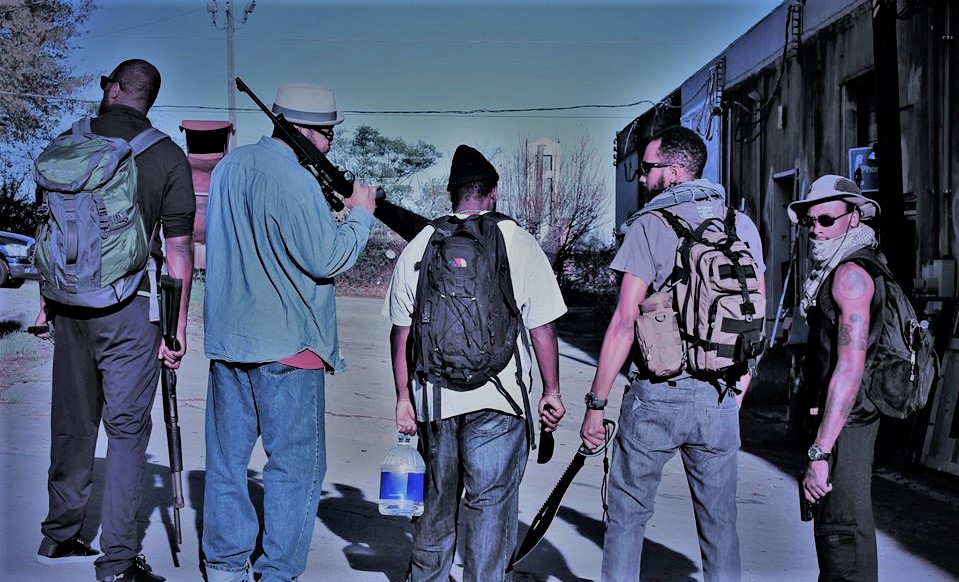
Standing out during a crisis is one of the quickest ways to attract danger. Urban breakdowns bring out desperation, suspicion, and opportunistic behavior. The more noticeable you are, the more likely you’ll be targeted. Blending in — becoming almost invisible in the chaos — is one of the most powerful skills you can develop for city survival.
The idea is to resemble the environment instead of separating yourself from it. Your goal is to be the person no one pays attention to, the one who looks equally impacted as everyone else even if you’re better prepared. Acting like a “grey man” helps you move without drawing interest and protects your supplies, your home, and your safety.
Blending Inside Your Home Area
Even if you have food, water, and equipment stored at home, appearing “too comfortable” during a crisis can quickly put you in danger. People notice who has resources when shelves are empty and services stop. Maintaining the illusion that you’re struggling just like everyone else keeps you off people’s radar. This includes simple, practical behaviors such as:
-
Avoid using lights at night when power is out.
-
Prevent cooking smells from drifting outside.
-
Wear regular clothing that doesn’t draw attention.
-
Keep your emergency supplies private and discreet.
Doing these things helps you stay invisible within your community, even if you’re far more prepared than most around you.
Blending While Moving Through the City
Once you're on the streets, blending in becomes even more important. Movement in a crisis draws eyes, and eyes can mean danger. Anything that looks valuable — from a clean backpack to a bottle of water — makes you a potential target.
If you must carry supplies, keep them concealed or packed in a bag that looks worn, dusty, or unremarkable. Avoid bags stuffed to the brim or appearing brand new. A tattered backpack is safer than a tactical one. If possible, even moving without a visible bag is better, as it avoids signaling that you possess useful items.
2. Locating and Making Water Safe
Water is life, and in an urban crisis it becomes scarce incredibly fast. Pipes can fail, pumps can stop, and clean water sources can disappear. Knowing where to find water and how to purify it is one of the most essential urban survival skills you can master.
If the taps are still working at home, that’s your easiest option — but you should never assume they’ll continue. Understanding alternative water sources and learning how to treat what you find keeps you hydrated and safe.
Collecting Rainwater
If you're still inside your house or apartment, collecting rainwater is one of the simplest ways to create a reliable backup supply. Setting up a basic catchment system with barrels or screened containers can keep debris out and help you gather plenty of usable water. Even apartment dwellers can use buckets on balconies to capture enough for drinking and cleaning. Ideally, these systems should already be prepared before any emergency hits.
Using Rivers, Lakes, and City Fountains
Urban areas nearly always have water features — rivers winding through downtown, ponds in public parks, decorative fountains, and even stormwater retention pools. With appropriate containers, these sources can supply water in an emergency. Keep in mind that none of these sources should be consumed without purification, but they are plentiful and often overlooked.
Accessing Building Water Supplies
Large commercial and residential buildings have external water connections. These taps can still contain water even when municipal flow stops thanks to residual pressure inside the pipes. The challenge is gaining access since these taps require a Sillcock key — a simple, four-way tool that opens valves many people can’t turn by hand. Keeping one in your kit can allow you access to water sources most others don’t even think about trying.
Purifying Any Water You Find
Drinking unclean city water is dangerous. High-density living turns contamination into a rapidly spreading health threat, so it’s crucial to purify any source you’re unsure about. Several methods can help make water safe:
-
Boil it to kill pathogens.
-
Add two drops of bleach per quart.
-
Use water purification tablets.
-
Carry a portable filter for mechanical purification.
These tools and techniques work together to create multiple layers of protection against illness.
3. Finding Food and Supplies Through Foraging and Scavenging
Long-term urban crises eventually exhaust your stored supplies. Whether your home becomes unsafe, supplies run low, or you must relocate, you’ll need the ability to source food and essentials from the environment. Foraging and scavenging transform your surroundings into opportunities rather than dead ends, and both skills become crucial for survival in a city setting.
Foraging in the Urban Landscape
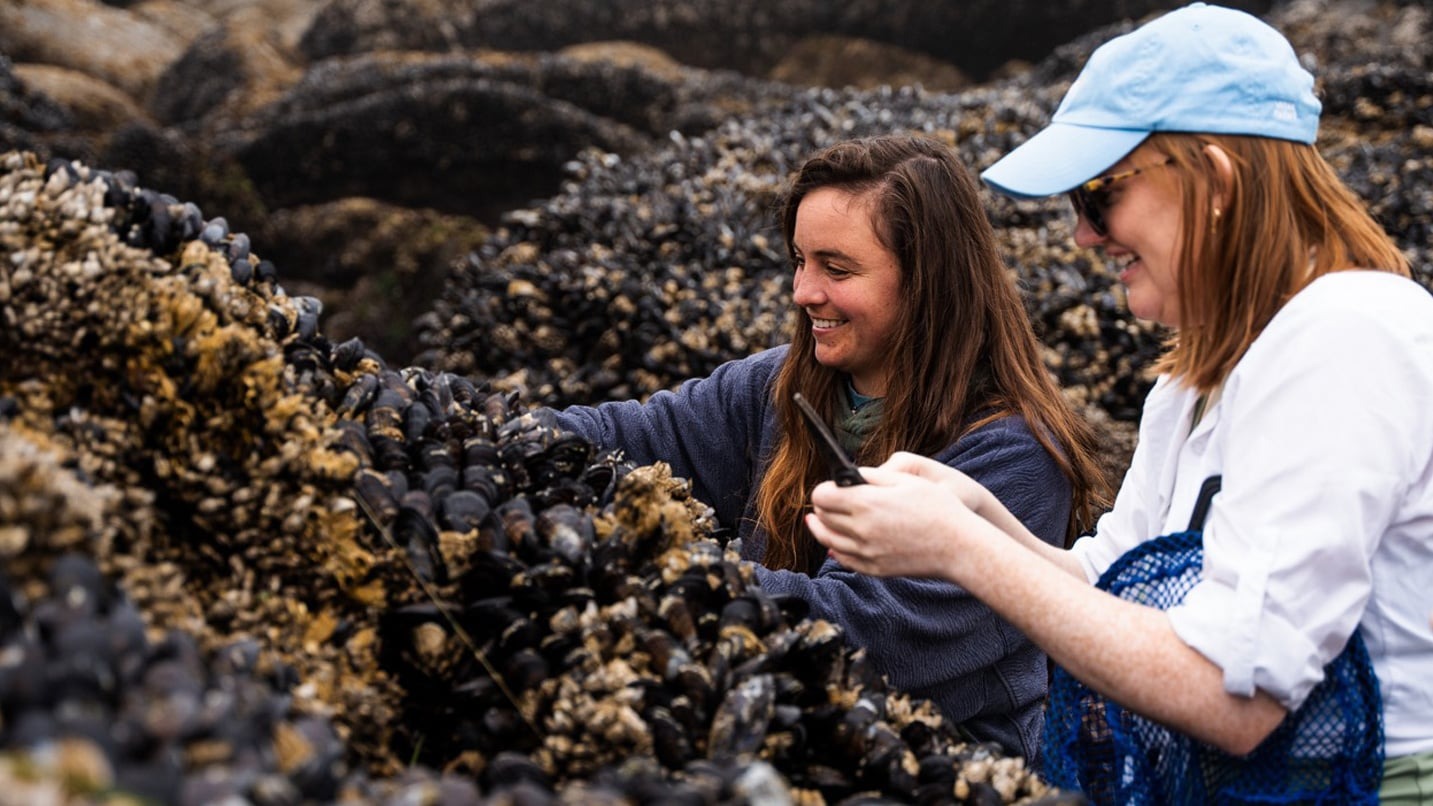
Cities hide a surprising amount of edible plants if you know where to look. Parks, abandoned lots, grassy areas, and even front lawns contain a variety of wild edibles. Dandelions, wild onions, clover, purslane, mint, and other greens can be found even in dense downtown areas. Many of these plants are nutrient-dense; rose hips, for instance, contain extremely high levels of vitamin C.
Learning what grows in your city and how to safely identify each plant is essential. Foraging also includes small urban wildlife — squirrels, ducks, rabbits, and fish in city ponds — all of which can serve as vital sources of protein when supplies run low. Understanding legal and ethical hunting doesn’t matter in collapse scenarios; survival does.
Scavenging When Supplies Run Out
If infrastructures fully collapse, scavenging becomes unavoidable. Cities contain countless buildings filled with items that can help you survive, including food, tools, clothing, and medicine. Some examples include:
-
Unoccupied homes or apartments
-
Office buildings and business complexes
-
Gyms and sports centers
-
Hospitals and medical buildings
-
Department and dollar stores
-
Grocery stores and restaurant kitchens
-
Gas stations and transit hubs
-
Warehouses and storage areas
The key is strategy. Avoid obvious places that everyone will rush to first. Instead, target less-thought-of buildings: offices, industrial sites, repair shops, or storage rooms. Carrying a pry bar gives you access to locked rooms, vending machines, or blocked doors, turning obstacles into opportunities.
4. Finding Shelter in a City During Crisis
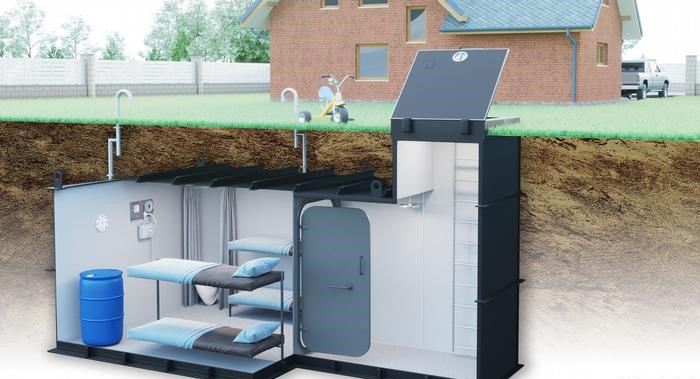
If your home becomes unsafe or unreachable, you’ll need to find alternative shelter fast. Cities actually offer many options, though most people don’t consider them until it's too late. Empty buildings, abandoned vehicles, storage sheds, parking garages, and even covered alleyways can serve as temporary shelter depending on the situation.
Common shelter possibilities include:
-
Vacant homes
-
Office buildings
-
Schools and hospitals
-
Malls or supermarkets
-
Industrial buildings
-
Abandoned vehicles
-
Storage sheds and garages
Access often requires a pry bar or similar tool. Remember that others may also be seeking shelter, so always enter with caution and secure the area.
5. Moving Silently and Safely Through the City
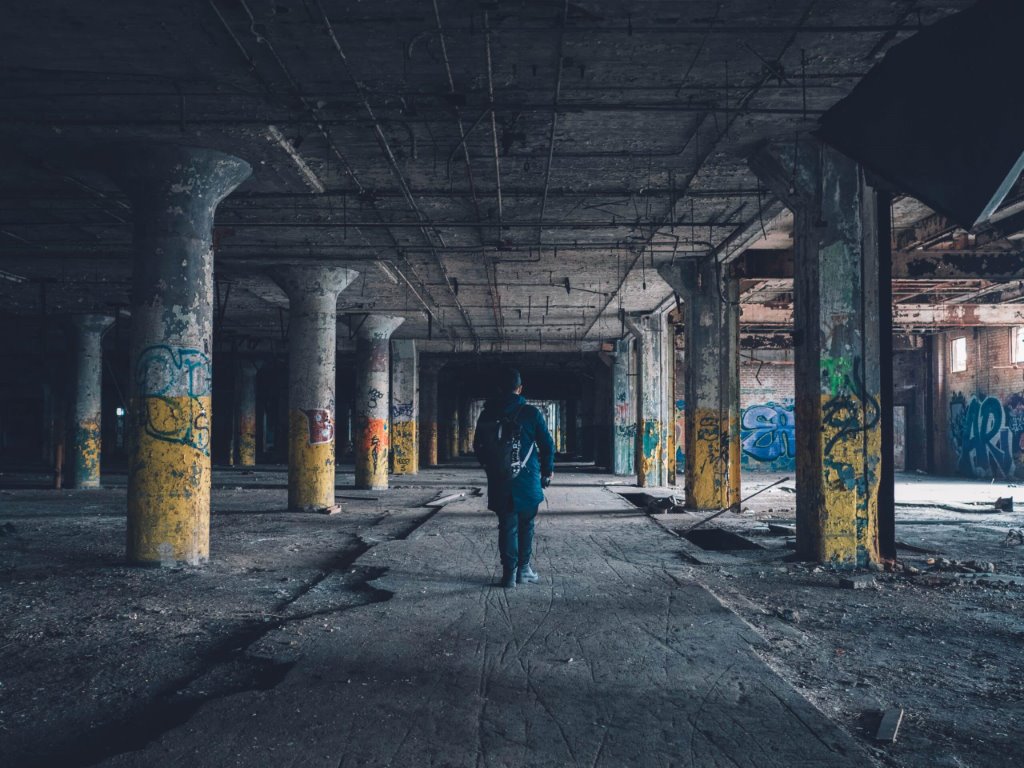
Even with a secure base, you’ll eventually need to move through the city to gather resources, check on others, or relocate. Moving unnoticed is one of the most underrated survival abilities. Staying invisible reduces the risk of confrontation and helps protect both you and your supplies.
Here are strategies to help you travel quietly and without drawing attention:
-
Travel on foot whenever possible; bicycles can be too loud or noticeable.
-
Stick to dark areas, alleys, less-used paths, rooftops, or internal building routes.
-
Learn your city layout early — study maps, practice routes, and memorize alternative paths.
-
Avoid standing in open spaces where crowds or threats may spot you easily.
Stealth in an urban setting is not about speed — it’s about avoiding unnecessary exposure.
6. Escaping a Riot Safely
When a city reaches a breaking point, riots can erupt with terrifying speed. Crowds become unpredictable, emotions surge, and streets transform into dangerous corridors where anything can happen. Staying far away from riots is always the smartest move — but real life doesn’t always give that choice. You might walk straight into one without warning, or a peaceful gathering might suddenly turn violent.
If you find yourself trapped inside a riot, your priority is to avoid confrontation and extract yourself quietly. Moving with the crowd — rather than fighting against it — makes you far less noticeable. As you flow with the crowd’s motion, slowly angle yourself toward the outer edges. This diagonal movement is safer and more natural than trying to force your way directly outward, which can get you knocked down or attacked.
If you break away, do so with a small cluster of people whenever possible. A lone individual attracts far more attention than a person tucked within a small group. Avoid making eye contact, avoid shouting, and avoid anything that could appear confrontational. A frightened crowd acts like a living organism — unpredictable, fast-moving, and easily provoked.
Riots are chaotic, but if you stay calm and focus on blending into the crowd’s movement, you drastically increase your chances of getting out safely.

7. Maintaining Security and Personal Defense
Urban environments become extremely volatile during disasters. The sheer number of people mixed with desperation creates constant risk. Whether sheltering at home or moving through the streets, your ability to protect yourself depends on awareness, planning, and a calm mind.
Your first line of defense is situational awareness. Observing your surroundings helps you detect problems before they reach you. Glance regularly at street corners, doorways, and reflective surfaces like windows. Pay attention to sudden changes in the environment: people running, unusual silence, strange smells, or someone trailing behind you.
Some warning signals to watch for include:
-
The sound of chaos — shouts, screams, or sudden silence
-
People moving quickly in one direction
-
Someone repeatedly appearing behind you
-
Unusual odors like smoke, gas, or chemicals
-
Anything that seems out of place, even if small
Defense also means preparation. Self-defense training gives you confidence and practical techniques. If you choose to carry defensive tools — such as pepper spray or a legal concealed weapon — you must know how to use them safely. A tool you don’t know how to operate becomes a liability instead of protection.
If you’re at home, secure entry points, reinforce doors if possible, and keep windows covered. Make sure your home doesn’t broadcast signs of wealth, preparedness, or comfort. A fortified location is only truly strong when no one knows it is fortified.
8. Handling Urban Waste in a Crisis
Waste management becomes one of the biggest challenges when municipal services shut down. Trash piles grow, plumbing stops functioning, and sanitation issues quickly transform into dangerous health threats. Learning how to control waste protects you from disease and keeps your environment livable.
Managing Human Waste
In rural areas, burying waste is simple. But in a compressed city environment, improper disposal contaminates water sources, spreads illness, and creates odors that attract unwanted attention. A composting toilet is ideal, but if you don’t have one, a sealed 5-gallon bucket lined with trash bags can be used. Keeping bleach, sawdust, or kitty litter helps manage the smell and absorb moisture. Regular sanitation of the container prevents bacteria from thriving.
Eventually, the waste must be buried — and you must choose the location carefully. Always pick a spot far from food sources, living spaces, and any potential water supply. Disease spreads fast in densely populated areas, and maintaining sanitation becomes a survival priority rather than a convenience.
Handling Household Waste
Without garbage services, even everyday trash becomes a large accumulation hazard. Start minimizing waste immediately. Reuse containers, jars, cans, and boxes. Many of them can serve as improvised tools or storage. Organic waste should be composted whenever possible. Anything that cannot be reused or composted must be burned or buried. Try to dispose of waste away from your shelter to avoid attracting animals or people.
By managing waste deliberately and intelligently, you stay healthier and reduce the risks that come from decomposing materials in tight living situations.
9. Essential Fix-It Skills for Urban Survival
Cities are full of mechanical systems, electrical infrastructure, and complex structures. During a disaster, these systems deteriorate fast. Knowing how to repair and maintain tools, shelter, and basic equipment dramatically increases your chances of long-term survival.
A general set of fix-it skills helps you adapt to breakdowns and keep your environment functional. Some repairs you should learn include:
-
Fixing roof damage or leaks
-
Repairing basic plumbing or clogged drains
-
Maintaining generators or small engines
-
Repairing radios and communication tools
-
Servicing water filtration systems
-
Performing basic vehicle and bicycle repairs
-
Maintaining survival equipment and flashlights
The more versatile your skills become, the more value you offer to others — which can lead to bartering opportunities. People in crisis will trade resources for the help you can provide, making your abilities a form of currency.
Even simple skills, like patching clothing, stitching fabric, or repairing zippers, can be surprisingly valuable during long-term disruptions. Everything wears out when used heavily, and replacements may not be available.
10. Bartering and Negotiation Skills in a City Collapse
Bartering becomes a lifeline when standard economic systems fail. Cities, with their large populations, naturally create opportunities for trade, and knowing how to barter effectively helps you gain essentials without unnecessary risks.
Bartering Goods and Services
Bartering is straightforward: you exchange something you have for something you need. But in an urban crisis, certain items carry far more value than others — especially comfort items or supplies that disappear quickly. Things like cigarettes, coffee, tea, soap, batteries, matches, toothpaste, and chocolate become highly desirable. These aren’t just luxuries; they boost morale and restore a sense of normalcy.
Services also hold value. If you’re skilled at repairs, medical help, or navigation, people will trade goods to obtain your assistance. Sometimes a single skill can keep you supplied for weeks.
Think of bartering as a network of small exchanges that helps everyone survive. It’s practical, human, and extremely effective.
Negotiating Under Stressful Conditions
Negotiation isn’t just about trading. It’s used in conflicts, disagreements, and tense situations where you need cooperation rather than confrontation. Strong negotiation requires emotional awareness, patience, and an understanding of social cues. Practicing these skills now — even in everyday life — builds confidence and helps you manage high-stress interactions later.
Good negotiation can settle disputes, create alliances, or resolve issues without violence. In a world where every interaction carries risk, knowing how to talk calmly, read intentions, and persuade others becomes a major advantage.
Urban Survival Kit List
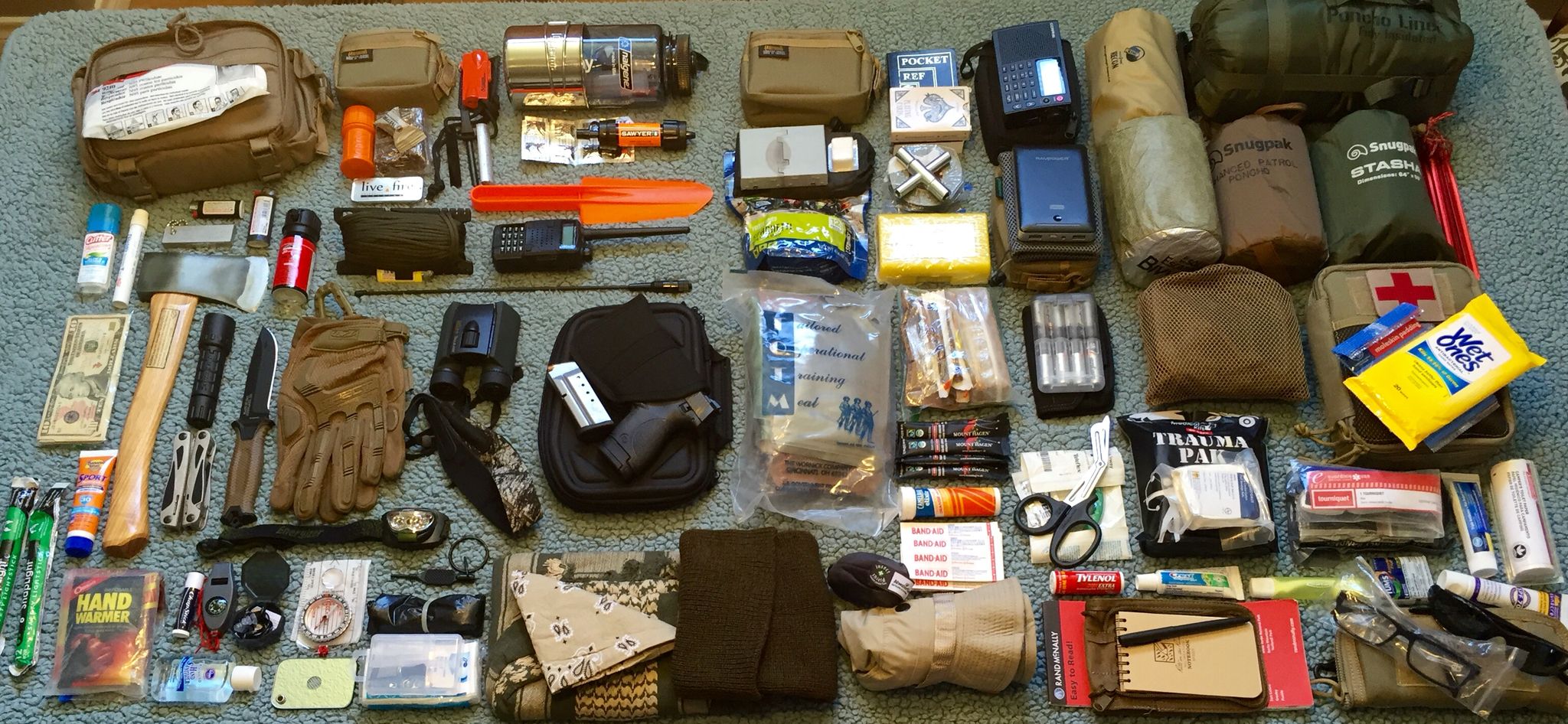
A well-equipped urban survival kit gives you mobility, safety, and independence. These items should be stored in a bag you can carry anywhere — ideally something simple-looking that doesn’t attract unnecessary attention. Tactical-looking gear might seem useful, but in an urban crisis it makes you a target. A worn, ordinary backpack is safer.
Your kit should include:
-
Bottled water
-
Non-perishable food
-
Can opener
-
Basic utensils
-
Warm clothing and a waterproof jacket
-
Summer and winter hats
-
Durable walking shoes
-
Concealed weapon or defensive tool
-
Flashlight or headlamp
-
First aid kit
-
Pry bar
-
Bolt cutters
-
Portable radio
-
Lighter or fire-starting tool
-
Paracord
-
Folding knife
-
Cash
-
Bandana for smoke protection
-
Eye protection
-
Gloves
-
Whistle
-
City map
-
Permanent marker and sticky notes for leaving messages
Each item serves a specific purpose and helps you stay mobile and adaptable in changing conditions.
Taking Responsibility for Your Urban Preparedness
Every urban survival skill ultimately depends on one thing — your willingness to learn and prepare before disaster hits. The more you understand, practice, and refine these skills, the more confident and capable you become when the world around you stops functioning normally.
You don’t need to master everything at once. Start with small steps, learn a new skill each week, and gradually build a level of readiness that helps you navigate any crisis. Preparation is personal, practical, and ongoing. The sooner you start, the safer you become.