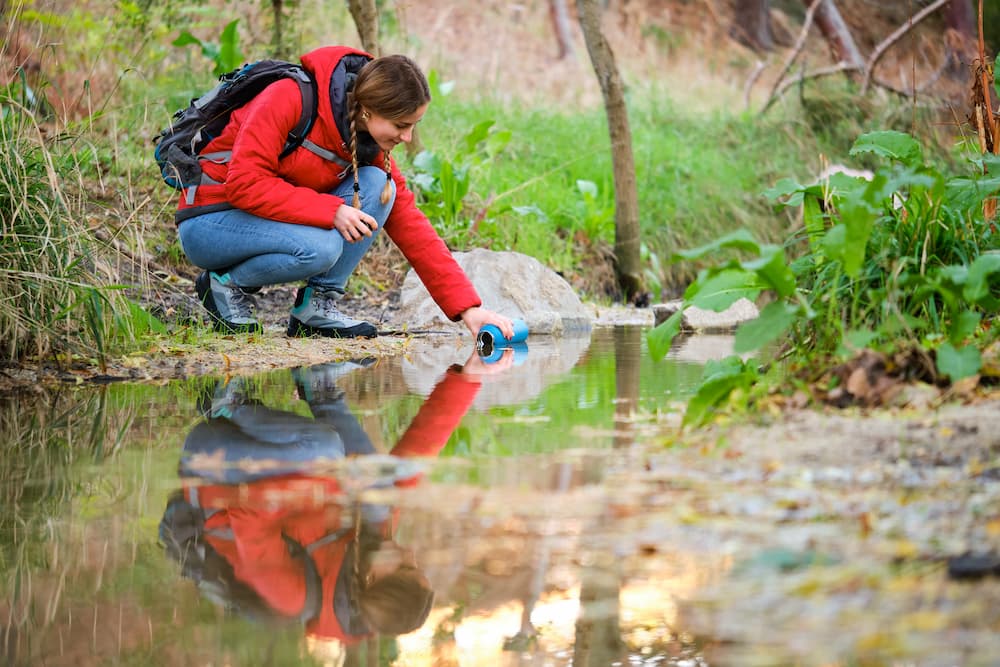
Clean drinking water is the foundation of outdoor survival. When you travel through forests, mountains, lakesides, or remote valleys, the water you find may look fresh and pure, but river and lake water almost always contains microorganisms, sediment, or contaminants that can make you sick. Even the clearest mountain stream can carry bacteria from animals upstream, parasites from decaying plants, or chemical runoff from faraway sources. Drinking untreated water risks stomach infections, dehydration, parasites, and illnesses that can become dangerous when you’re far from medical help.
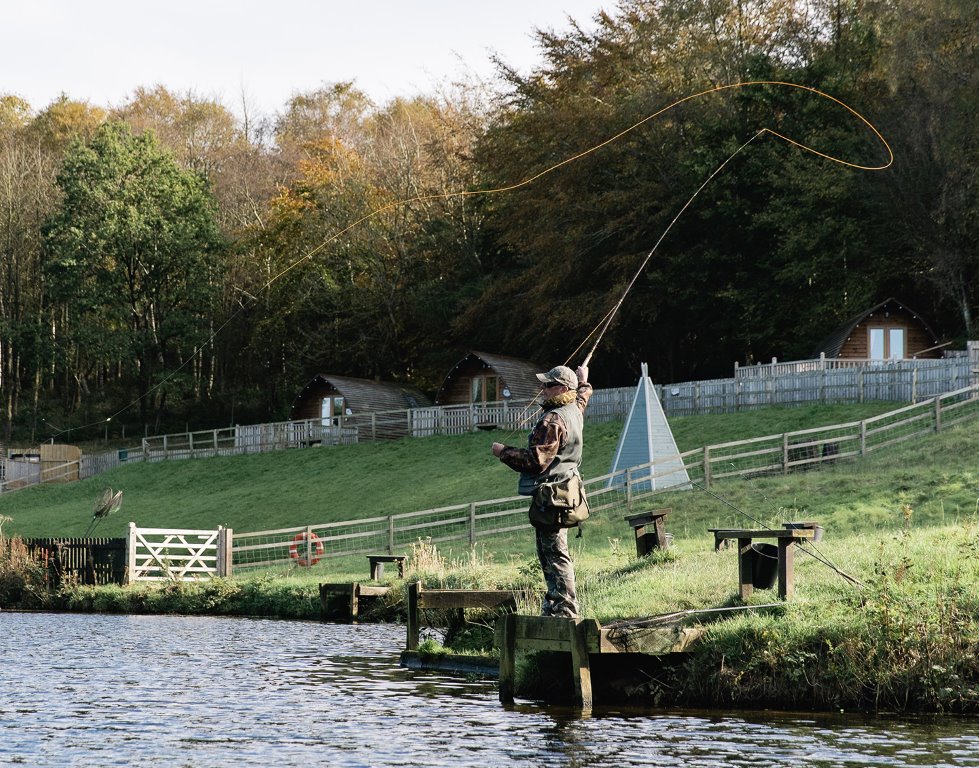
Fishing for food is one of the most practical and rewarding outdoor skills anyone can learn. Long before modern tools and packaged meals, people depended on rivers, lakes, and coastal waters for daily sustenance. Even today, knowing how to catch fish with simple methods remains one of the most reliable survival abilities you can carry into the outdoors. It provides nourishment, builds self-reliance, and connects you directly to the landscape around you.
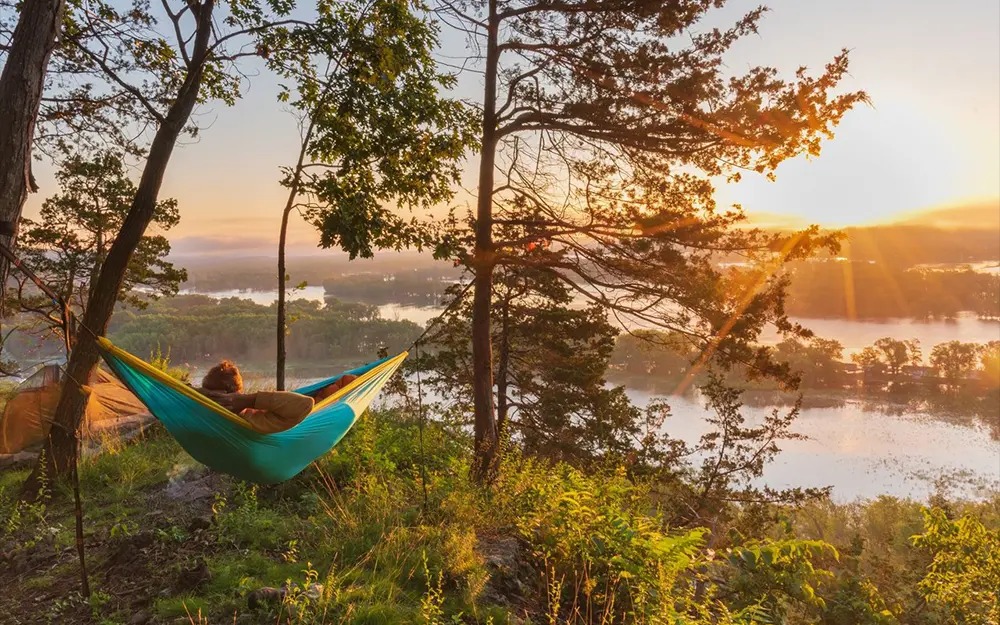
A multi-day outdoor trip is a different world compared to a simple day hike. You’re no longer stepping outside for a few hours — you’re committing to several days where the landscape, weather, and your own body will constantly shift. Each sunrise brings new terrain, new challenges, and the need to maintain your energy and safety far from easy help. Preparation becomes the foundation of everything that follows. When you plan thoroughly, the trip feels organized, safe, and enjoyable. When you skip details, the smallest mistake — a torn tent seam, wet socks, forgotten food — can grow into a major problem. Preparation isn’t just about packing gear; it’s about taking control of each day before the days even begin.
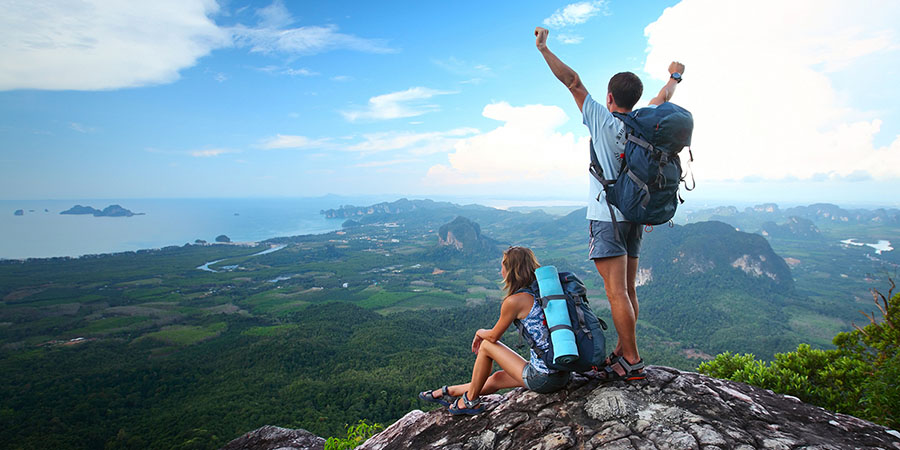
Hiking has always stood out as one of the most refreshing low-impact physical activities, and modern research keeps proving just how wide the benefits reach. The movement, the uneven ground, the fresh air, and the changing scenery all come together to improve both physical and mental well-being. People who hike regularly often experience a noticeable drop in anxiety, better circulation, stronger bones, and a long list of perks that go far beyond simply enjoying nature.
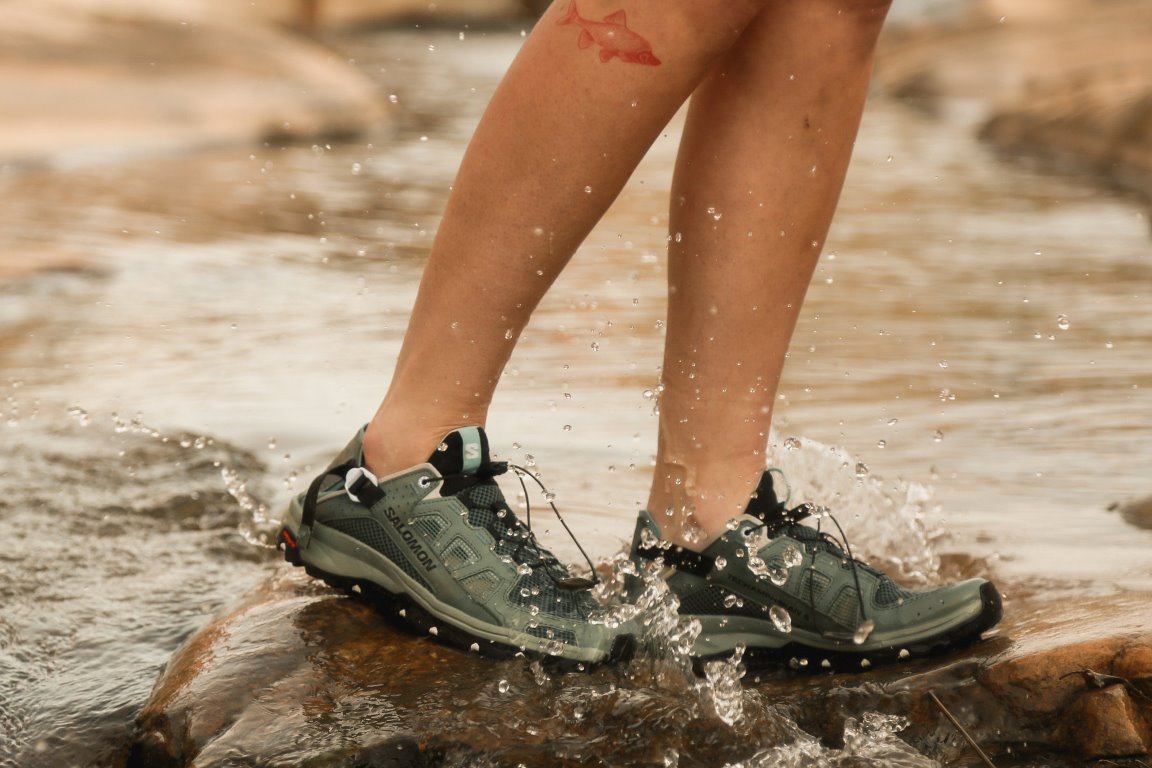
Choosing the right outdoor footwear is one of the most important decisions you can make before stepping into unpredictable landscapes. The shoes you wear decide whether every step feels controlled and balanced or unstable and painful. Outdoor footwear must protect your feet from sharp edges, shifting ground, slippery surfaces, cold temperatures, and long hours of pressure. Good shoes reduce fatigue by absorbing impact, supporting the arch, stabilizing the heel, and keeping your stride steady even when the environment becomes hostile. The best footwear feels like an extension of your body — strong enough to endure harsh use, but comfortable enough that you barely think about it as you move.
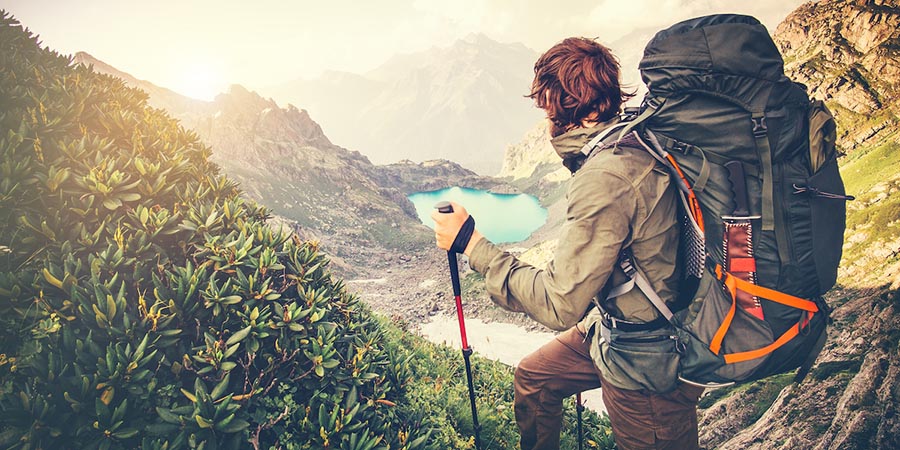
Bugging out has become one of the most widely discussed ideas in preparedness circles. Many people imagine that when a severe crisis hits—whether it’s societal collapse, violent unrest, or a sweeping natural disaster—the safest choice is to abandon their city and head toward some remote location far away from crowds and danger. That image of quickly gathering gear and disappearing into the wilderness is popular, but it is not always the most realistic or safest decision.