

Walking through a forest can feel peaceful and energizing — the kind of quiet that clears your head and lets you enjoy nature without distractions. But the reality is that forests are also home to animals that defend their territory, protect their young, and react instinctively when startled. Most wildlife wants nothing to do with humans, yet the wrong movement, a sudden noise, or simply being in the wrong place at the wrong time can turn a calm encounter into a frightening situation. And in those moments, knowing exactly how to behave can be the difference between getting away safely and becoming a target.
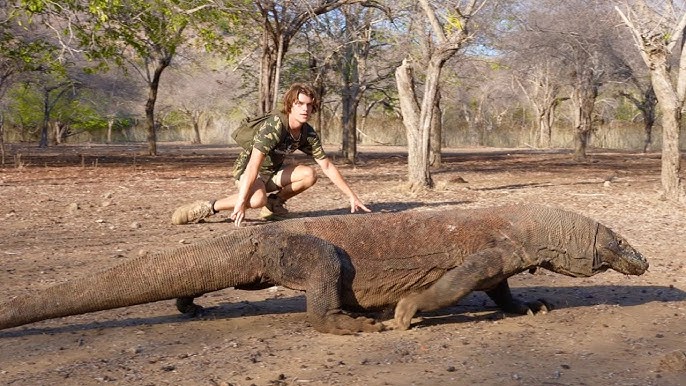
Whether you’re hiking, camping, exploring remote trails, or even traveling in regions where wildlife roams freely, understanding animal behavior is one of the most effective forms of protection. Every animal responds to threats in its own way — sharks investigate movement, kangaroos react to territory intrusion, elephants watch body language carefully, and crocodiles can strike with almost no warning. Your instincts may tell you to run, shout, or fight back, but not all of these reactions keep you safe. Some actually make the danger far worse.
This guide breaks down how to recognize warning signs, how to avoid provoking wildlife, and how to escape safely if a situation turns aggressive. Each animal requires a different strategy, and learning these tactics ahead of time helps you stay calm, think clearly, and react in a way that gives you the best chance of survival. Whether you’re dealing with predators on land, aggressive reptiles near water, or territorial animals in dense vegetation, the techniques here are practical, realistic, and designed to help you get out alive.
How to Escape from Dangerous Animals
Sharks
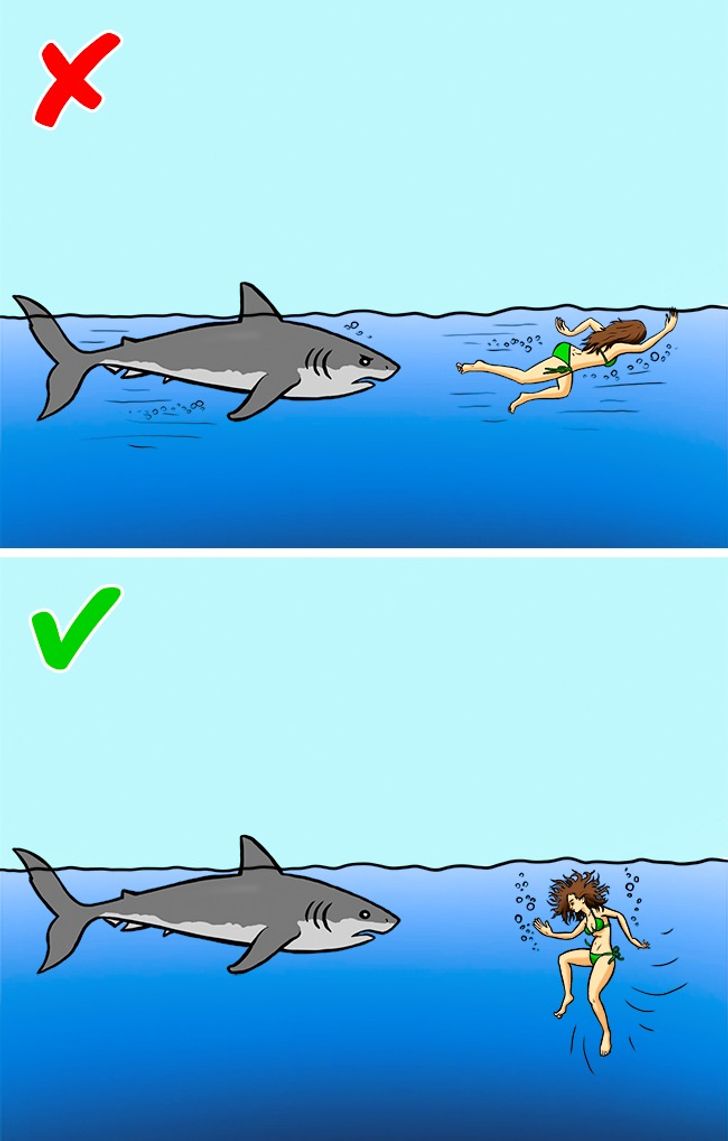
The reassuring truth about sharks is that most species have no interest in attacking humans. Out of roughly 150 shark species, only about 20 are considered potentially dangerous—and even those typically attack only when confused or curious. The problem is that once a shark becomes focused on you, escaping its attention in open water is extremely difficult, which is why prevention is everything.
-
Avoid getting blood or urine into the water. Sharks detect scent across great distances, and even traces can draw them closer.
-
If you face a shark directly, do not turn your back or thrash around. Sudden movements mimic prey behavior and increase the risk of a strike.
-
If a shark bites or grabs you, target the eyes and gills. These are the most sensitive and vulnerable spots on its body.
Kangaroos
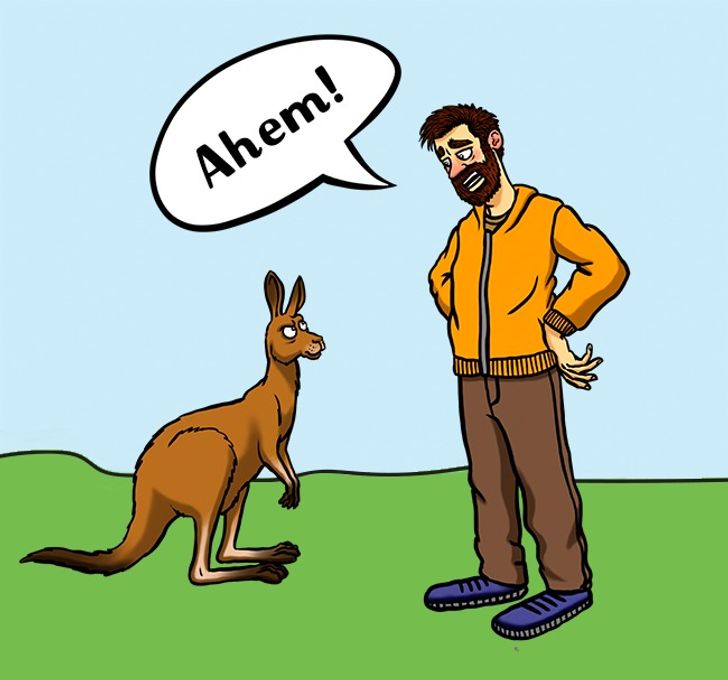
Kangaroos rarely go out of their way to attack, but they are territorial and easily threatened when someone enters their space, especially during mating season or when protecting young. Their kicks can be devastating, so it’s important to diffuse tension rather than escalate it.
-
Give a few gentle coughs. This surprisingly signals weakness or illness, a message that reduces their urge to defend themselves aggressively.
-
Slowly move backward while facing the kangaroo. This makes you appear smaller and less dangerous.
-
Never turn and run. Their speed and ability to leap make escape impossible, and running may trigger a chase response.
Lions
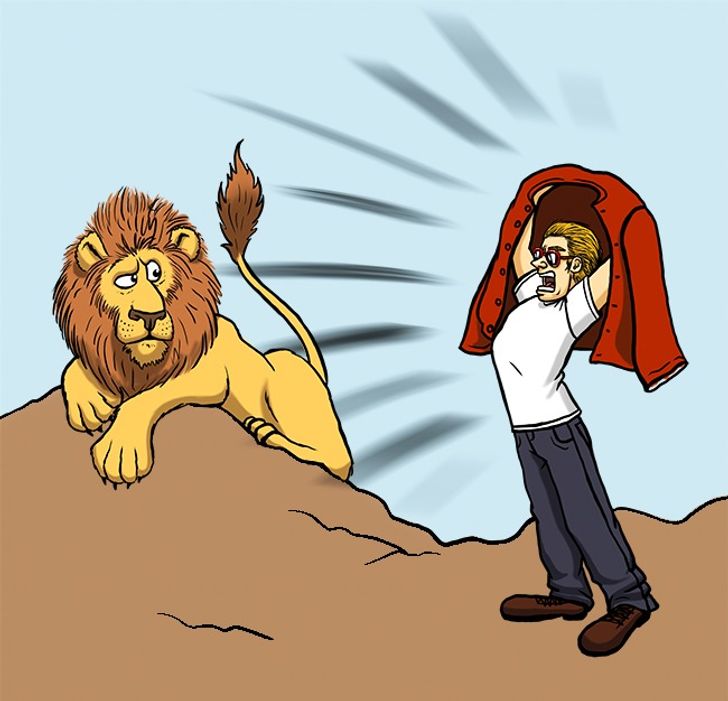
A lion encounter is one of the most intimidating scenarios imaginable. The instinct to run or avert your gaze is strong, but doing either can instantly escalate the situation. Lions interpret fleeing as prey behavior and breaking eye contact as a sign of vulnerability.
-
Maintain eye contact. Look directly into the lion’s eyes without blinking excessively or turning away.
-
Make yourself look larger—raise your arms, spread a jacket, or even hold your backpack above your head.
-
Speak firmly and confidently. Slow gestures and steady noise can confuse the lion enough to make it reconsider attacking.
Elephants
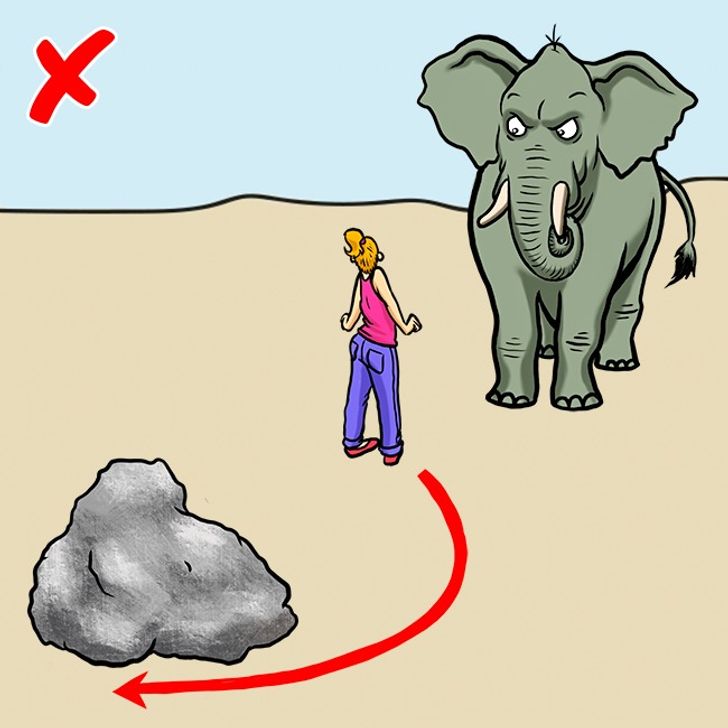
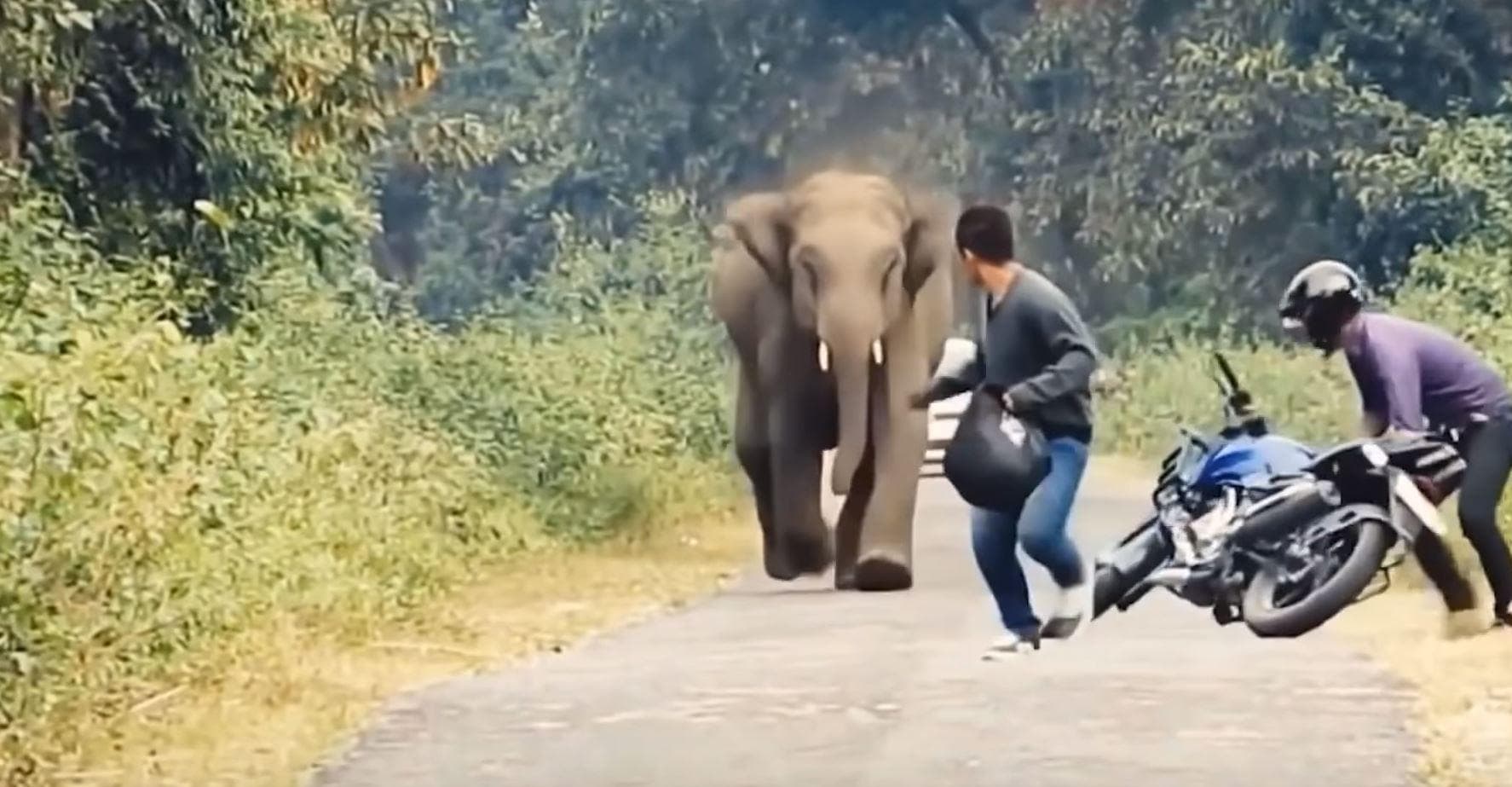
Elephants are highly intelligent and generally peaceful, but their size and protective nature—especially among mothers guarding calves—make them dangerous when startled or irritated. Reading their body language early can prevent a disastrous outcome.
-
Watch for key warning signals: a curled trunk and ears pinned back usually mean the elephant is preparing to charge.
-
Do not run in panic; instead, find a substantial barrier like a large tree, boulder, or embankment to put between you and the elephant.
Rhinos
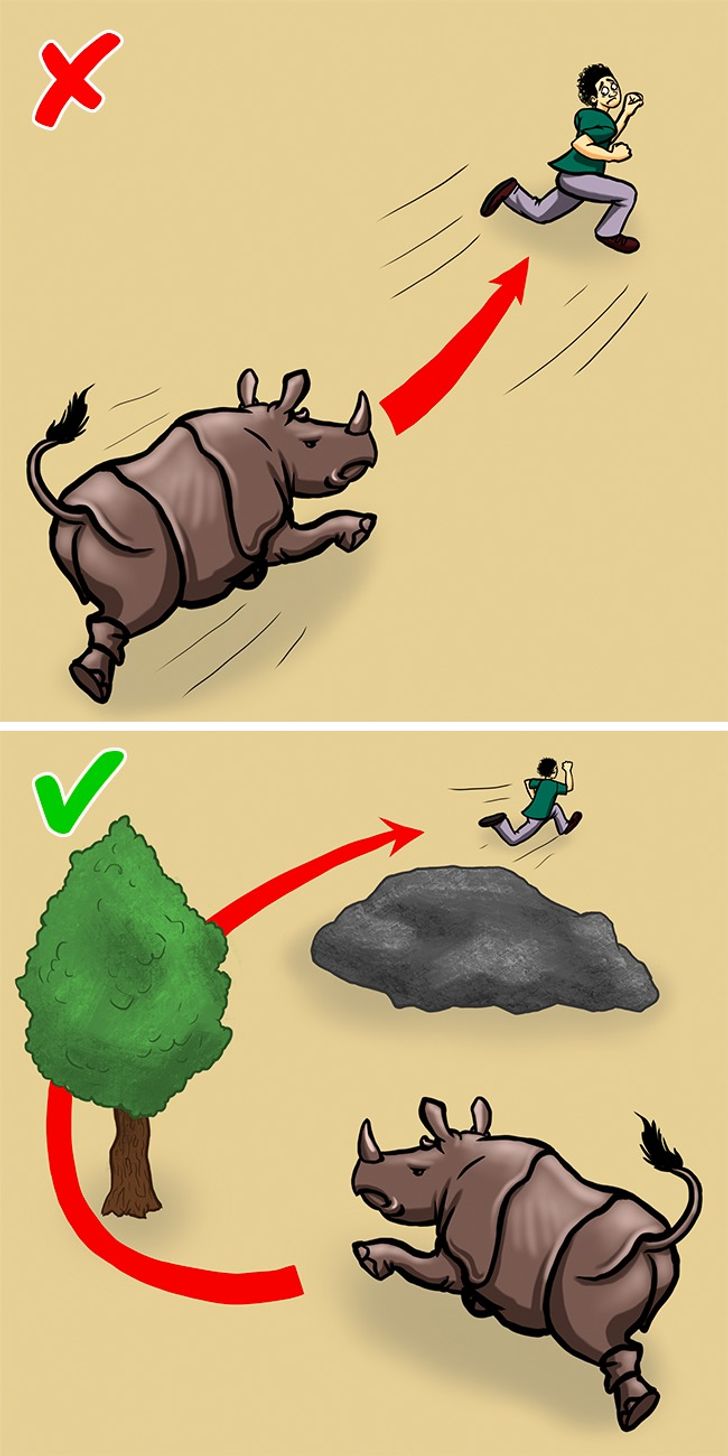
Rhinos suffer from extremely poor eyesight, which makes them prone to charging at anything that suddenly appears in their field of view. Despite their heavy bodies, they sprint at incredible speed—up to 60 km/h—which means outrunning them isn’t realistic.
-
The best escape is to quickly get behind a sturdy tree. Rhinos hate squeezing through tight vegetation and will usually abandon the chase rather than force their way through.
Hippos
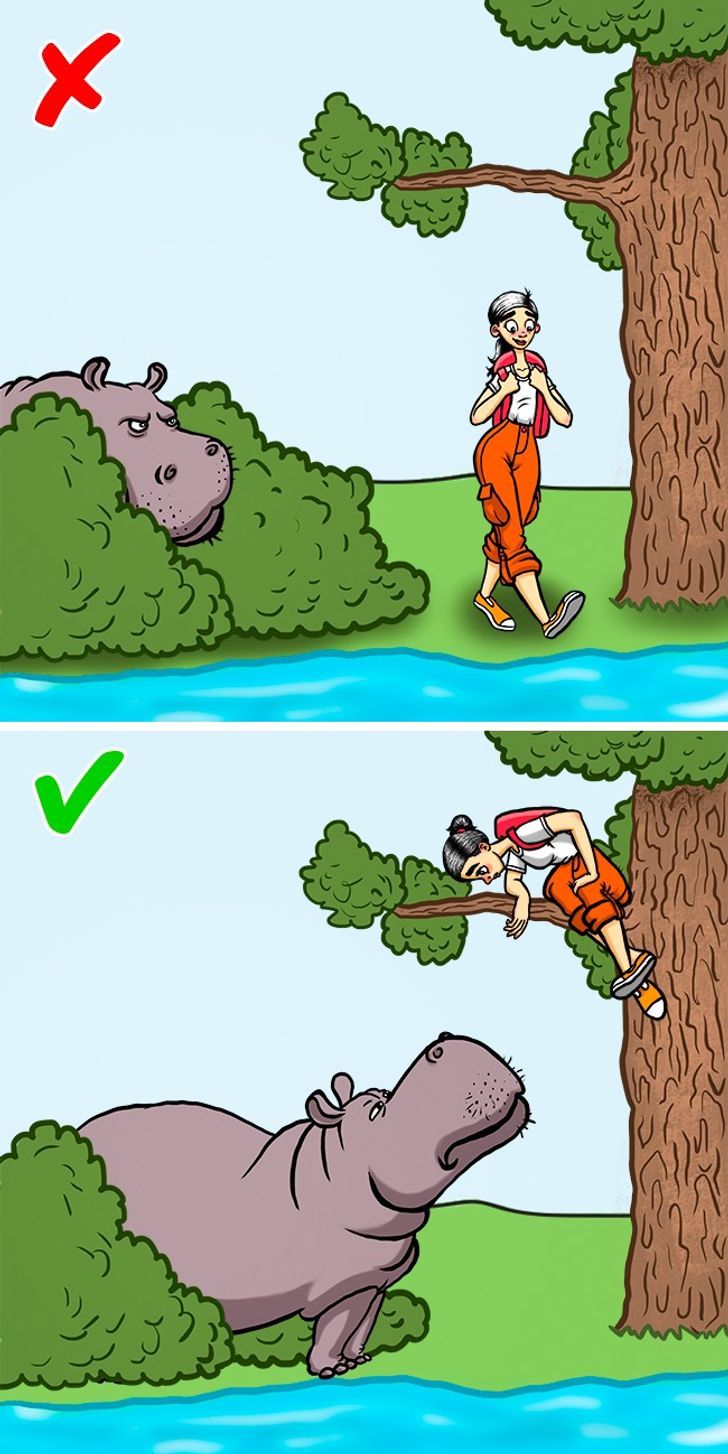
Hippos look slow and friendly from a distance, but they are surprisingly aggressive and responsible for more human deaths in some regions than crocodiles. They move at alarming speeds and become irritable easily.
-
During hot weather, avoid walking through dense brush or tall grass near water sources—hippos hide there when water levels are low.
-
If a hippo charges, climb something: a tree, a steep boulder, or any elevated ground. They struggle on slopes and will usually wander off.
Bulls
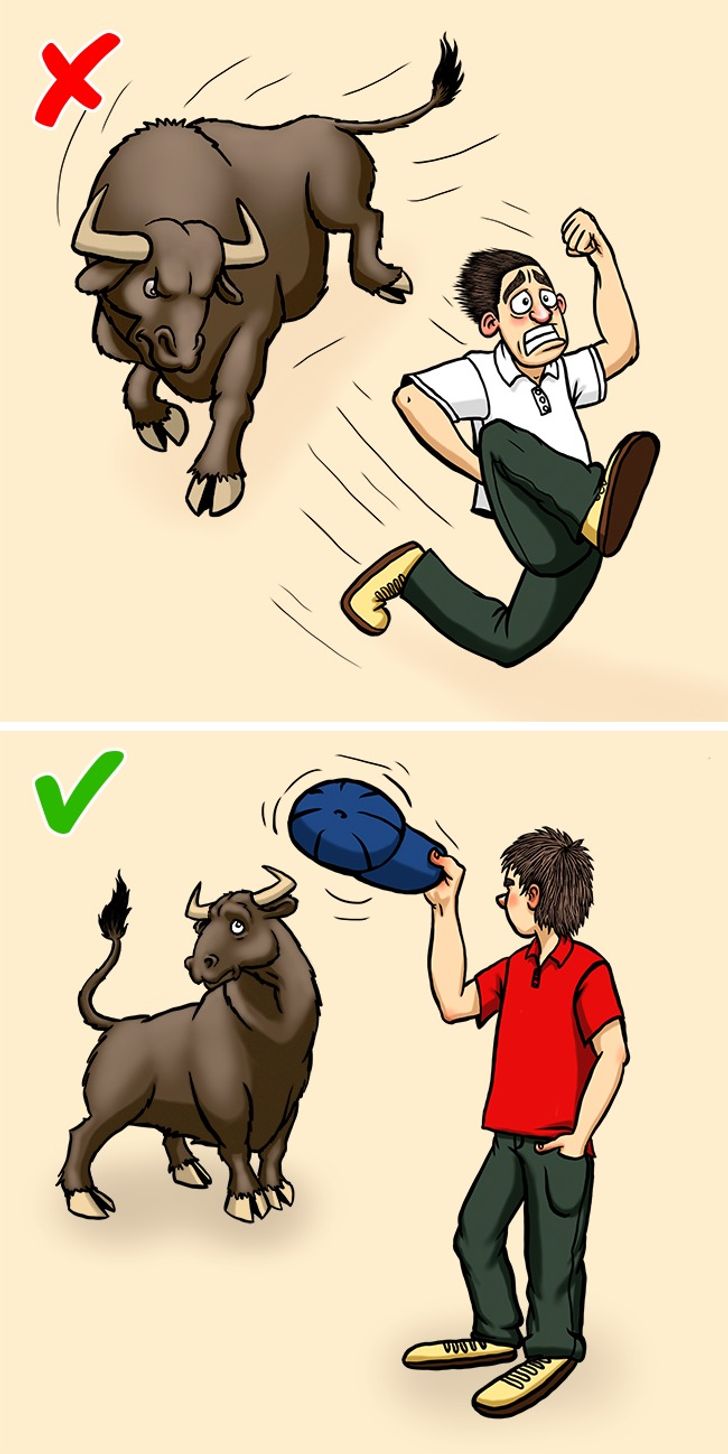
Contrary to popular belief, bulls are not attracted to the color red—they react to motion. When they start charging, it’s the movement that provokes them.
-
Stand still and upright. Use a hat, shirt, or cloth as a decoy. When the bull gets very close, throw the cloth to the side so the animal veers toward it instead of you.
Jellyfish
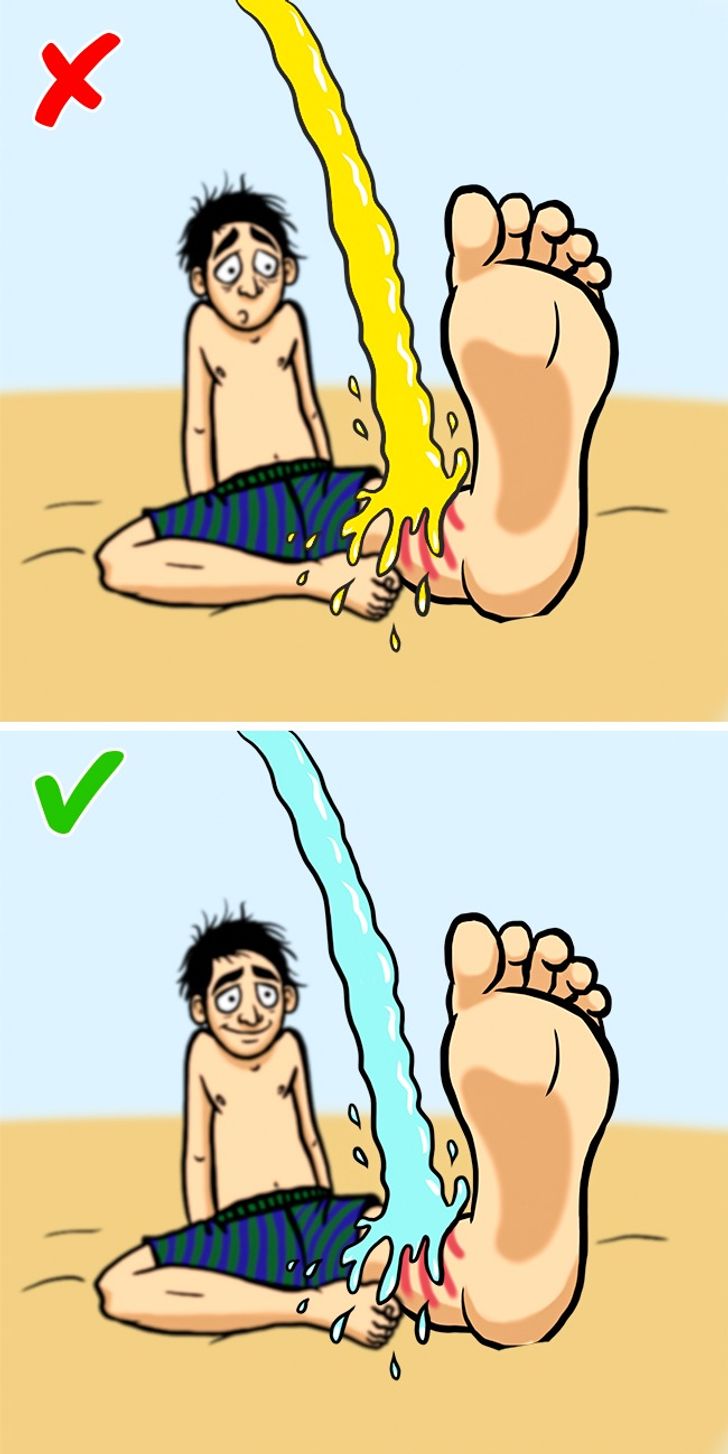
A jellyfish sting is extremely painful and lingers long after contact. The common myth about urinating on a sting is both ineffective and potentially harmful.
-
Immediately rinse the area with saltwater—not fresh water, which activates more stingers.
-
Remove tentacle remnants with a stick, gloves, or tweezers.
-
Apply antihistamine cream if available to reduce swelling.
Alligators and Crocodiles
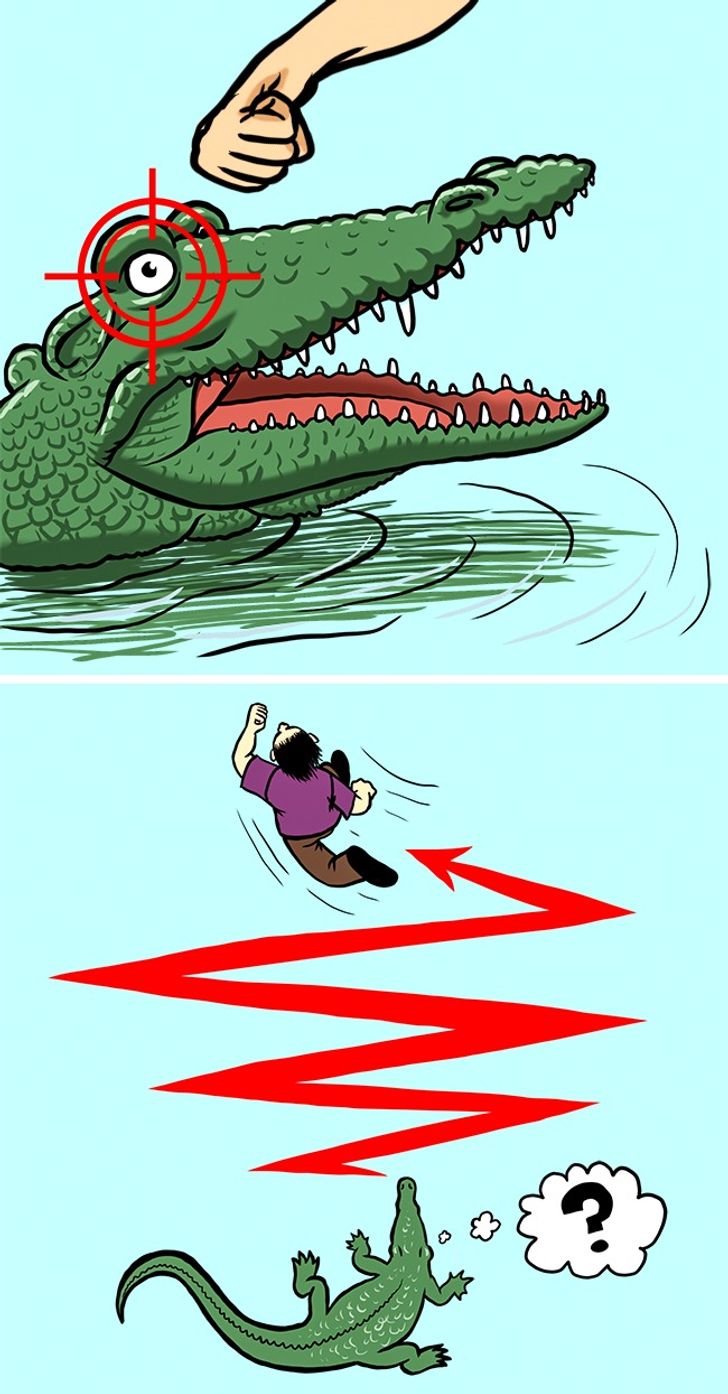
These predators possess some of the strongest bite force on Earth. Escaping once you’re in their jaws is extremely difficult, which makes prevention and fast reaction essential.
-
If grabbed, strike at their eyes or throat—these are their sensitive, exposed weaknesses.
-
If one approaches on land, run in a zigzag pattern while shouting. Their heavy bodies limit their ability to turn sharply.
-
If you see one while swimming, remain quiet and avoid splashing. Move away smoothly and silently.
Snakes
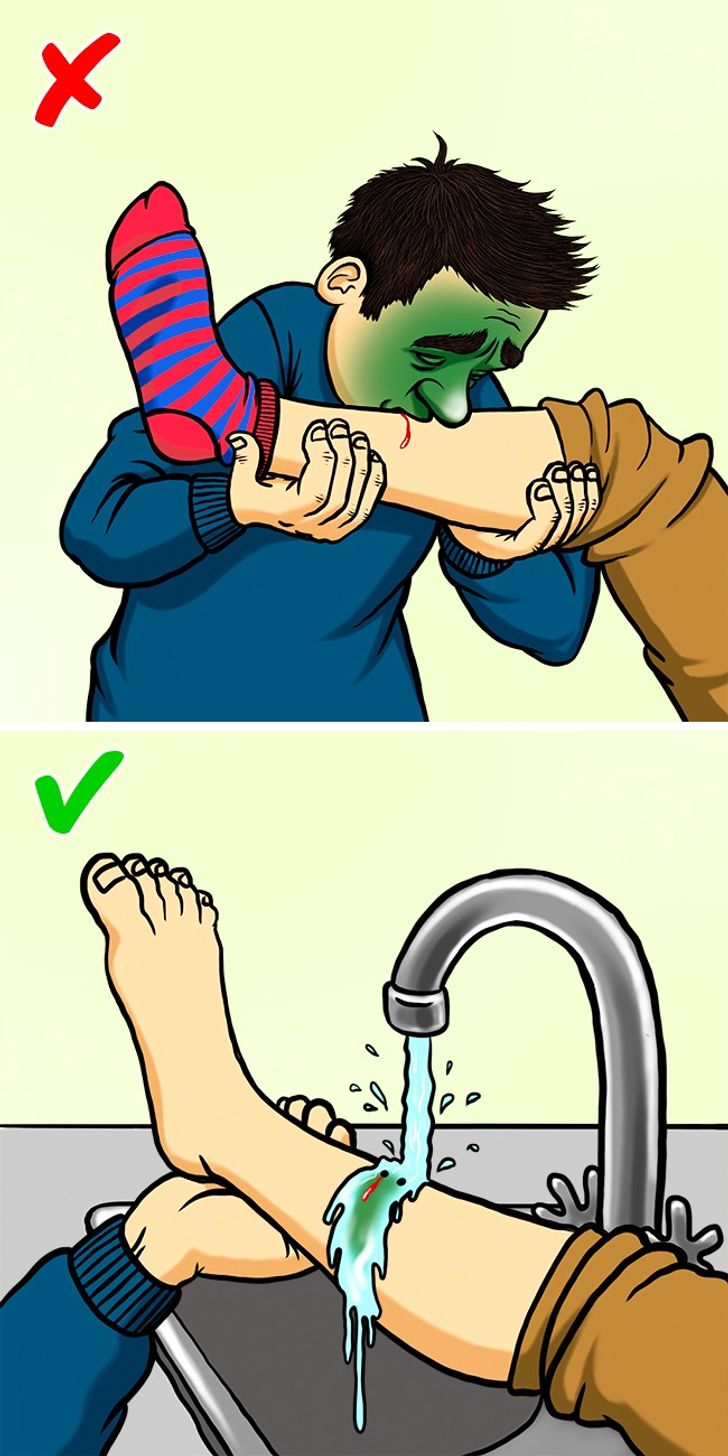
The majority of snakes are harmless and prefer avoiding humans. Most bites occur when someone tries to catch or corner them. Understanding their behavior helps you avoid unnecessary confrontation.
-
If a snake follows you, stomp the ground. The vibration confuses them and usually sends them away.
-
If bitten, do not suck the venom. Instead, rinse with clean water, apply a bandage—not too tight—and seek emergency help.
Gorillas
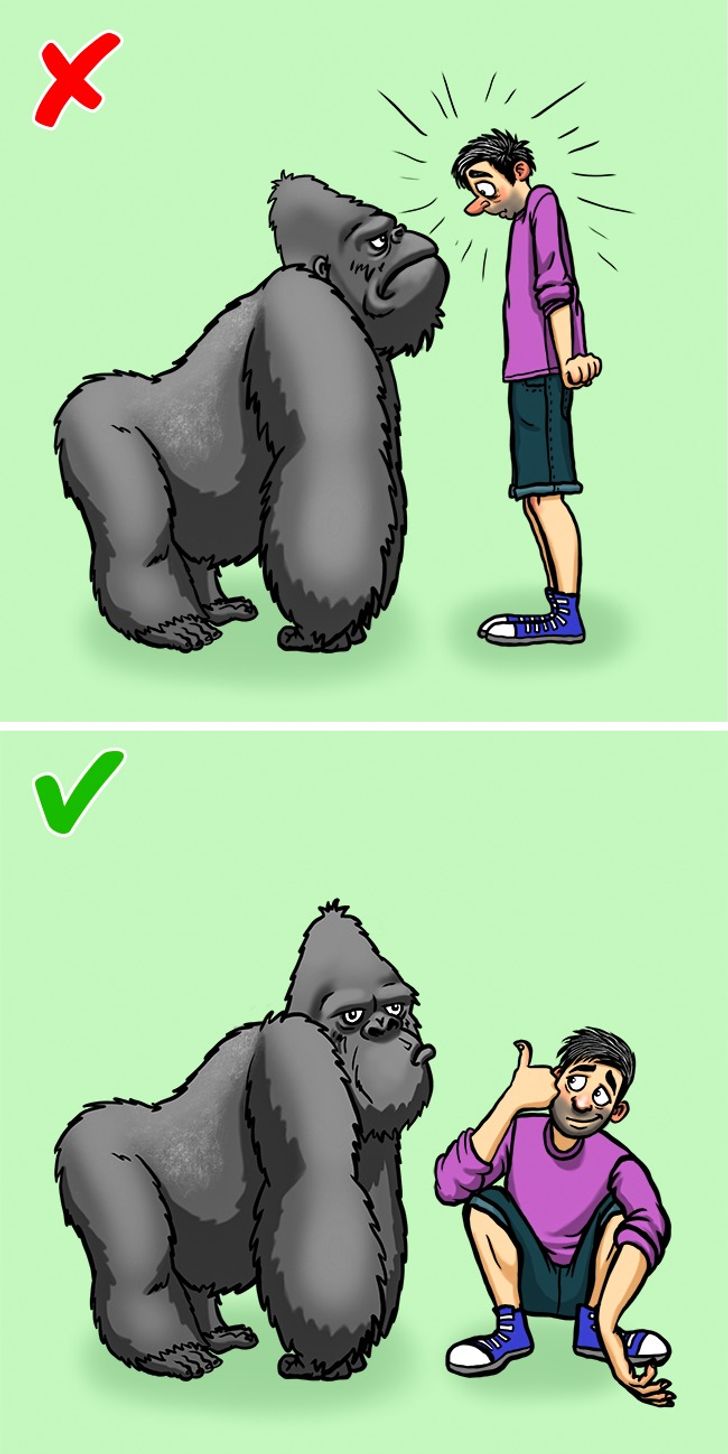
Gorillas are powerful but surprisingly peaceful. Their aggressive displays are often warnings, not immediate attacks. They are protective of their group and dislike direct challenges.
-
Lower yourself into a crouch or seated position so you don’t appear larger than the gorilla.
-
Avoid direct eye contact and speak softly if needed.
-
If attacked, curl into a ball. Showing submission often stops the gorilla from escalating further.
Bees
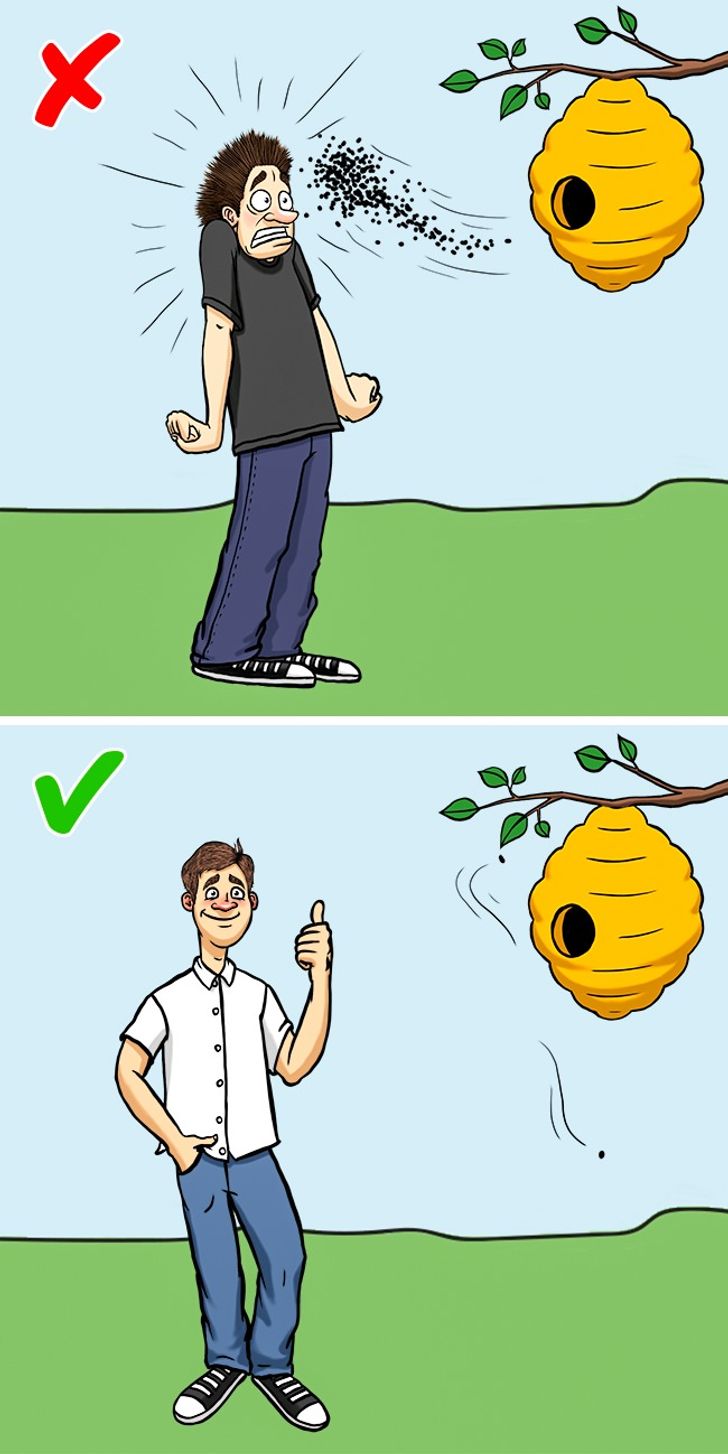
Bees are defensive, not malicious. They sting to protect their hive, and certain scents or colors can attract their attention unintentionally.
-
Avoid wearing dark or very bright colors in bee-populated areas.
-
If chased by a swarm or several bees, move into a shaded or dark area—a tunnel, cave entrance, or even dense vegetation. Lack of light disrupts their ability to track you.