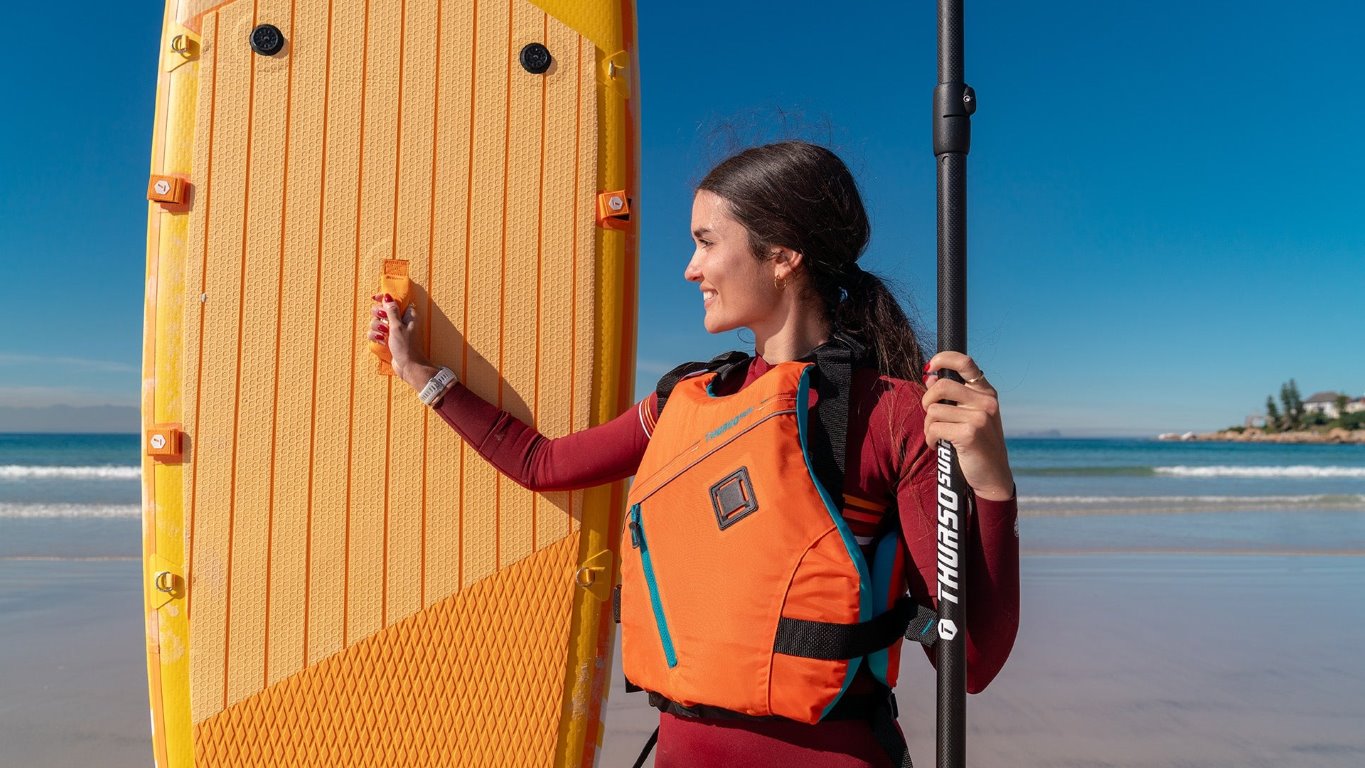
Life on the water has a peaceful charm that draws people in, whether you’re kayaking at sunrise, fishing on a quiet lake, or riding fast currents on a jet ski. But as comforting as water seems, it can become dangerous in an instant. Even confident swimmers can suddenly find themselves exhausted, disoriented, or pulled into unexpected currents. That is why a life jacket is not optional — it is the single most important safety tool you can own when venturing onto open water.
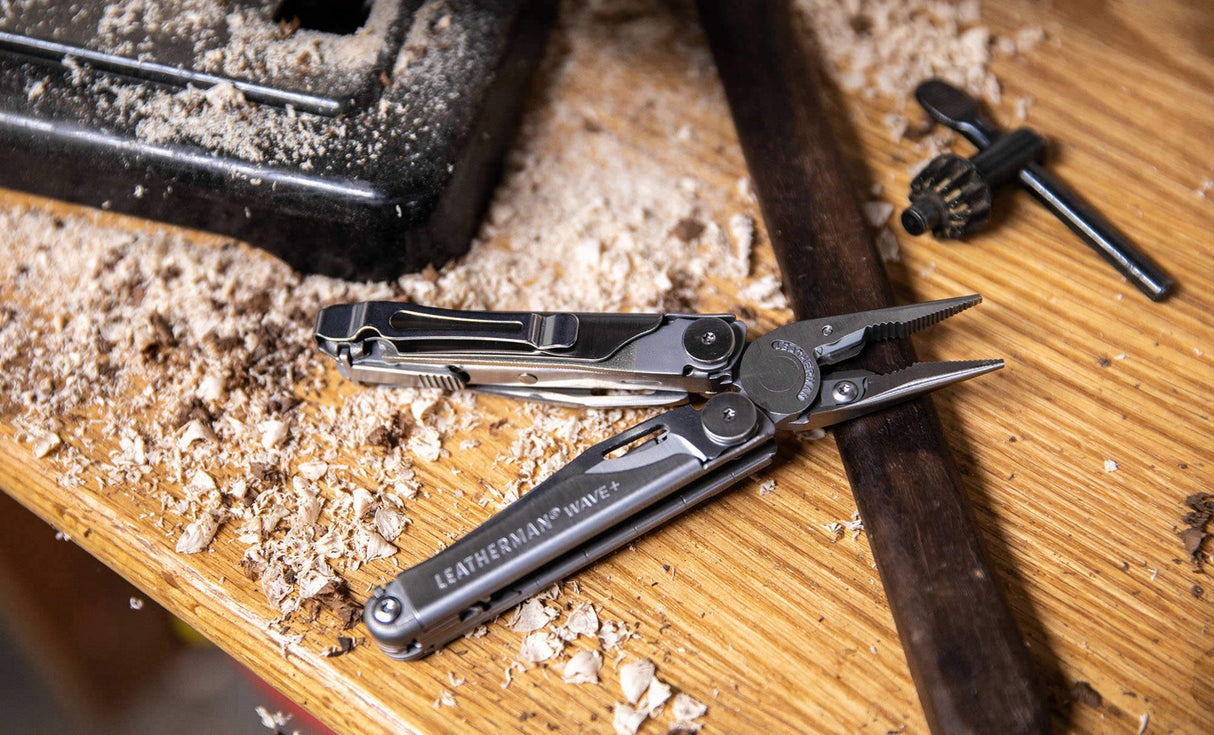
Survival situations rarely give you the luxury of time, comfort, or perfect equipment. The outdoors is unpredictable, and emergencies can unfold faster than anyone expects. That’s why seasoned hikers, campers, hunters, and survivalists almost always carry a multi-tool. These compact, adaptable tools combine multiple functions into one pocket-sized device, turning a single piece of gear into a miniature toolbox you can rely on when it matters most.
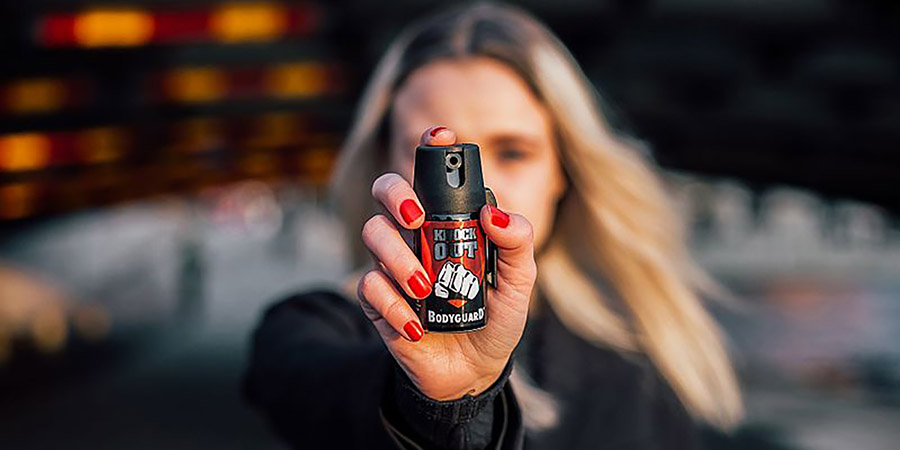
Long before written stories or carved symbols appeared on cave walls, human survival depended on instinct and whatever objects were within reach. One distant ancestor grabbed a crude, heavy branch or rock and used it against another — a bleak but defining moment that set humanity on a path where tools and personal protection would forever be intertwined. That primitive act wasn’t just violence; it was the birth of deliberate self-defense. From that moment forward, humans didn’t just adapt to the world — they began shaping tools to push back against danger.
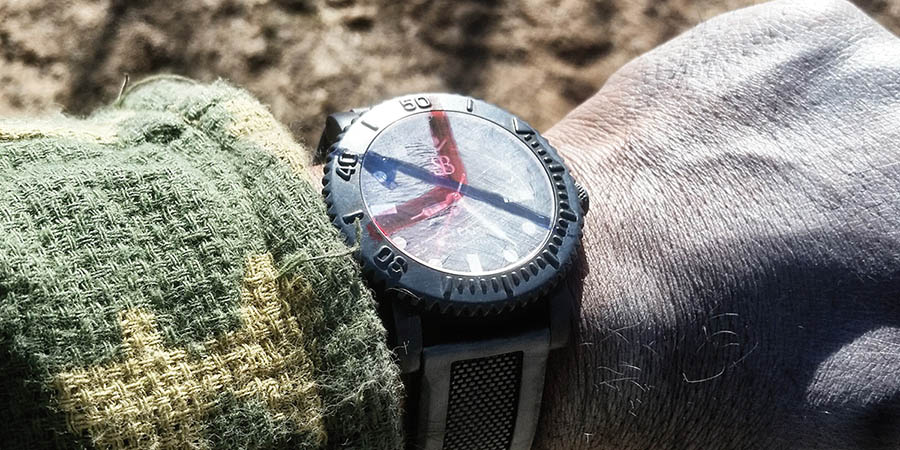
Far more than a simple accessory, a good watch can quietly become one of the most useful tools you own. Modern smartwatches already proved that a device on your wrist can track your heart rate, show notifications, and even guide you around town. So it’s not a stretch at all to imagine what a watch specifically built for the outdoors can do. That’s where survival watches come in. These are timepieces designed to earn their place in your gear list, giving you quick access to information like temperature, direction, weather trends, altitude, and more. Even if nothing dramatic happens on your trip, having that data on your wrist makes hiking, camping, hunting, and general backcountry exploring smoother, safer, and a lot more controlled.
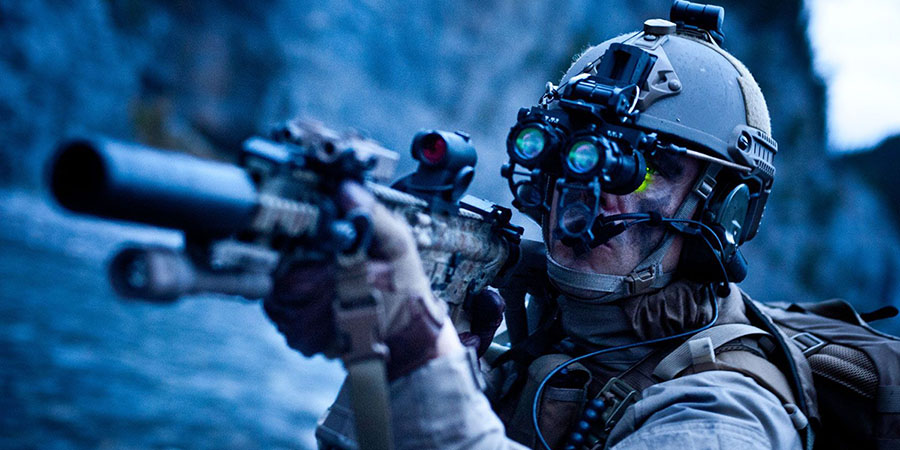
As helpful as traditional night-vision tools like binoculars and monoculars can be, there are plenty of moments when you simply cannot afford to keep your hands occupied while navigating the dark. That’s the exact gap night vision goggles were created to fill. They usually come with a comfortable hands-free mounting system, letting you move naturally through dim or pitch-black environments without juggling gear in your hands.
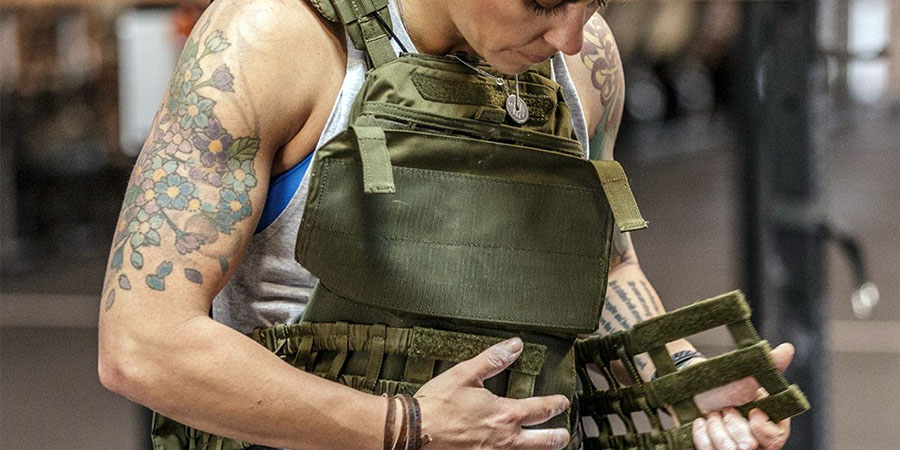
If a major crisis hits without warning — whether a sudden outbreak of violence, a fast-spreading epidemic, or a chaotic active-shooter situation — protecting yourself turns into a very practical priority. People often imagine extreme scenarios, but even the more common emergencies can put someone at real risk. That’s where reliable body armor becomes part of the larger emergency mindset: the idea that you prepare to avoid wounds, stop threats, and keep yourself functional when life gets messy.