
Women’s hands naturally tend to be smaller, slimmer, and sometimes less muscular than the average man’s, simply because of basic anatomy. None of this limits a woman’s skill or accuracy with a firearm—far from it—but it does shape what often feels comfortable when holding, aiming, or carrying a pistol throughout the day. When a handgun fits the hand properly, everything becomes easier: recoil control, grip strength, confidence, and speed.
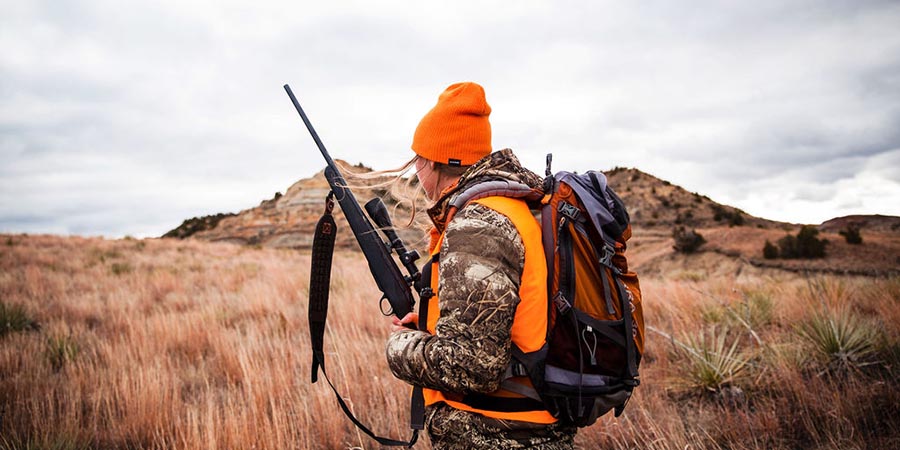
Most people don’t need to be reminded that the world can shift from calm to unpredictable in a heartbeat, and questions about personal safety never really leave the conversation. Even within circles of experienced shooters and longtime outdoorsmen and women, discussions about self-defense flare up constantly, reshaped by new concerns or fresh experiences in the field. While veteran gun owners sometimes smirk at newcomers suddenly realizing the value of owning a firearm, those new shooters still deserve clear guidance and solid information. And the truth is, even those of us who have been shooting for decades continue to debate what makes the most practical, trustworthy firearm for protecting yourself and putting meat in the freezer.
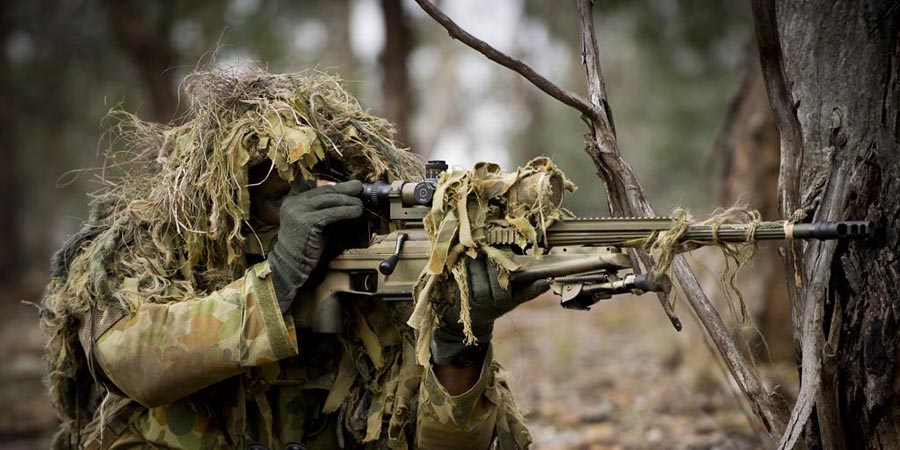
Sniper rifles have always been among the most valuable tools a modern special operations unit can deploy. Across decades of evolving battlefields, these precision weapons have served not only as instruments of long-range engagement but also as the eyes and extended senses of infantry squads and elite military teams. In many operations, the moment a conflict begins, the presence of a well-trained sniper with a capable rifle can shape the entire direction of the engagement—providing overwatch, early warnings, immediate intelligence, and the ability to neutralize threats from distances no other soldier can reach.
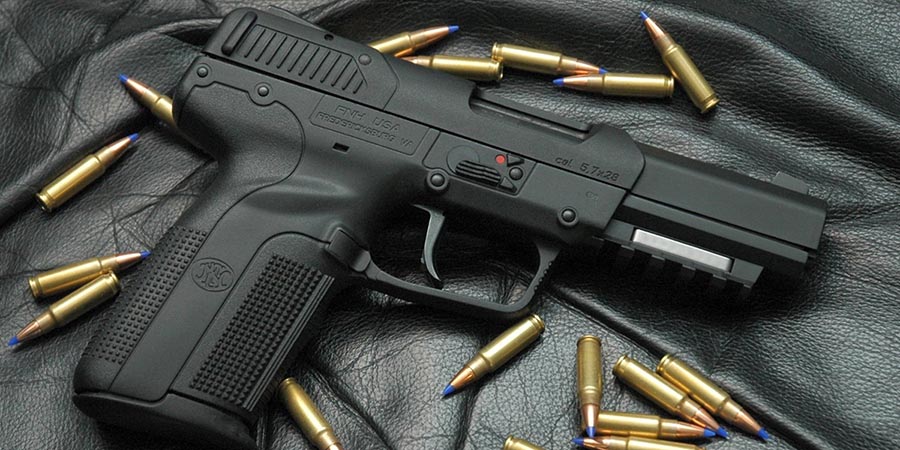
Which pistol genuinely stands above all others? And what makes a modern handgun earn a place among the world’s most respected sidearms? In this expanded exploration, the evaluation is based on a combination of real-world performance factors: overall accuracy, reliability in harsh environments, effective operational range, ammunition penetration, magazine capacity, global production numbers, and how widely each model is used across military and law-enforcement forces. A few additional practical traits—such as ease of maintenance, ergonomics, safety systems, and lifetime durability—were also considered when forming this ranking.
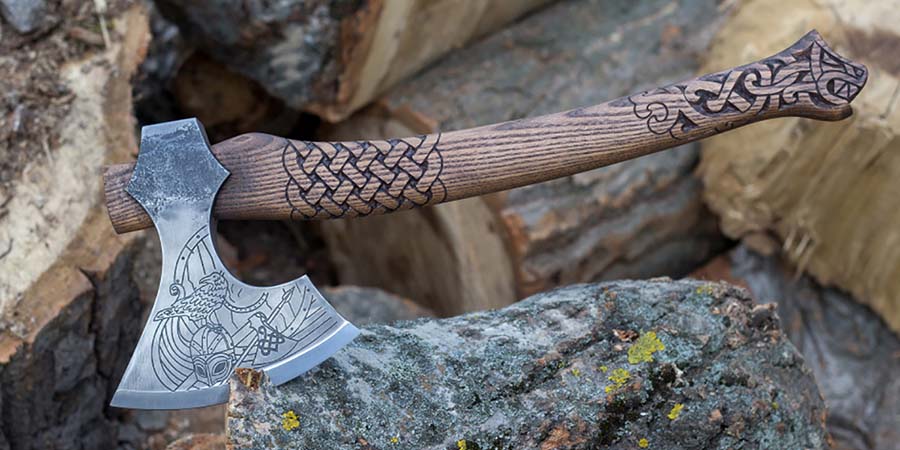
The axe is one of humanity’s oldest companions — a simple idea that shaped our survival long before written history ever showed up. Early people crafted rough hand-axes from chipped stone and strips of rawhide more than a million and a half years ago, and those early creations served every purpose imaginable: digging out stubborn roots, cutting firewood, preparing animals for food, and, during darker moments, fighting off enemies and wild creatures. As time rolled forward into the Bronze Age, metalworkers began shaping double-bitted axes specifically for war, making them sharper, stronger, and far more dangerous. Then, many centuries later in 19th-century Pennsylvania, European settlers popularized the same double-bit style as a practical tool for felling trees and carving out farmland in the new world.
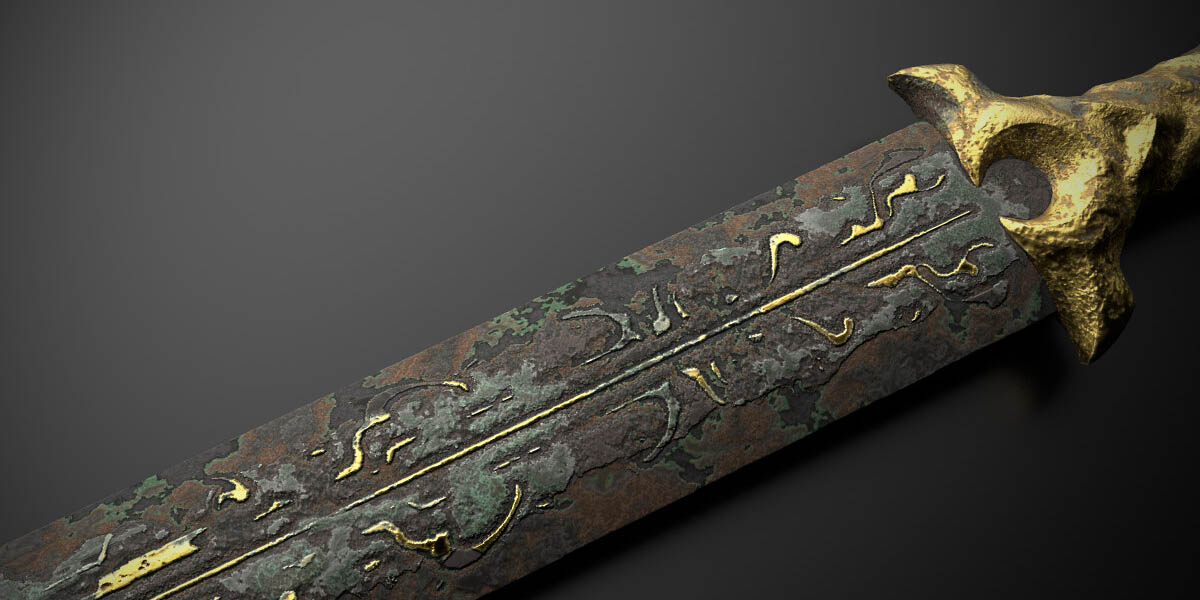
Men have been cutting, slashing, and stabbing one another for thousands of years. As soon as people figured out how to shape metal instead of stone or bone, they started turning that knowledge into weapons. The first true swords are believed to have appeared roughly 3,700 years ago, and from that point on, bladed weapons evolved side by side with armor, tactics, and military technology.
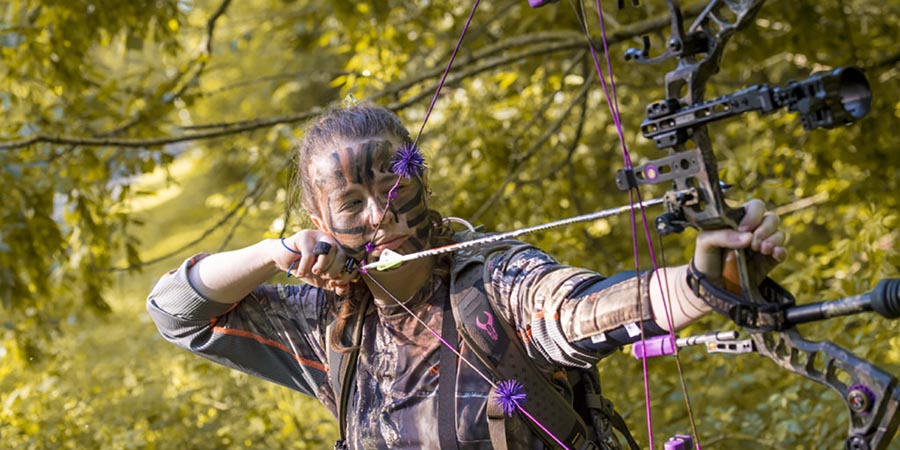
Picking a compound hunting bow that truly fits both your body and your hunting style is one of the most important gear decisions you’ll ever make. You don’t just carry a bow for a weekend and put it away; you live with it through an entire season, across long hikes, cold mornings, and the few heart-pounding seconds that determine whether you come home with a tag filled or an excuse ready.
When a bow matches a hunter properly, it almost stops feeling like equipment and starts feeling like part of your body. It comes to full draw smoothly, settles naturally on target, and works with your form instead of fighting against it. That “perfect fit” translates directly into better efficiency, better control, and ultimately better shooting when it matters most.