


Long before written stories or carved symbols appeared on cave walls, human survival depended on instinct and whatever objects were within reach. One distant ancestor grabbed a crude, heavy branch or rock and used it against another — a bleak but defining moment that set humanity on a path where tools and personal protection would forever be intertwined. That primitive act wasn’t just violence; it was the birth of deliberate self-defense. From that moment forward, humans didn’t just adapt to the world — they began shaping tools to push back against danger.
Over countless generations, these tools evolved. Entire traditions and combat systems grew around particular weapons, each developing its own philosophy, refined techniques, and strict discipline. What started as improvised instruments gradually transformed into carefully designed tools of defense, sharpened and perfected by centuries of experimentation, conflict, and necessity.
Self-defense didn’t disappear with modern civilization. If anything, it became more relevant. Threats changed shape, lifestyles modernized, and laws evolved — but the underlying need to protect oneself remained. And today, a wide range of compact, efficient self-defense weapons exists for ordinary people who want an extra layer of security in unpredictable situations.
Even someone physically smaller or less strong can dramatically shift the balance in a confrontation by choosing and learning to handle the right tool. The challenge, however, is that there are so many options on the market that choosing the right one becomes confusing. Dozens of designs, hundreds of brands, and endless marketing claims can leave anyone unsure of what’s truly reliable.
That’s why this guide exists — to break down the most trusted, practical, and even unusual self-defense weapons available today. The goal isn’t to glorify violence but to help every reader understand their options and choose the tool that fits their comfort level, lifestyle, and philosophy of personal safety.
List of Common Self Defense Tools
- Tasers
- Mace / Pepper Spray
- Brass Knuckles
- Credit Card Knives
- Tactical Pens
- The StrikeLight
- Monkey Fist
- Hands And Feet
- The Quarterstaff
- Sword or Machete
- Tonfa / Nightstick
- Nunchucks
- Tri-Section Staff
- Hyper Whistle
- Key Knives
- Cell Phone Stun Gun

Modern Self-Defense Weapons
As centuries passed, combat shifted dramatically. Physical confrontations became more chaotic, weapons became more advanced, and the structured training that once defined traditional martial arts became less common among everyday people. At the same time, technology improved, making self-defense tools more compact, more powerful, and easier for anyone to operate.
Modern self-defense weapons don’t demand years of disciplined practice. Many can be picked up, understood, and used effectively within minutes. That ease of use is one of the reasons they’ve become so popular — people want something they can rely on without needing to become martial arts masters first.
Today’s self-defense tools range from high-voltage electronic devices to compact sprays designed to instantly disable an attacker. Some are designed with surprising subtlety, doubling as everyday objects to avoid attention. Others are unmistakably formidable. Regardless of the style, the variety is bigger than ever before.

1 – Tasers
The taser has earned a reputation as one of the most effective modern defensive tools. Law enforcement relies on them to subdue uncooperative individuals, and civilians purchase them for personal protection. Occasionally, irresponsible people even treat them like toys — until they witness a real jolt delivered to a real body.
A proper taser is compact enough to slip into a pocket or small bag, yet strong enough to drop a grown adult in seconds. Some models require direct contact and act like handheld stun devices. Others fire prongs connected by thin wires, delivering an electrical charge from a short distance using compressed gas.
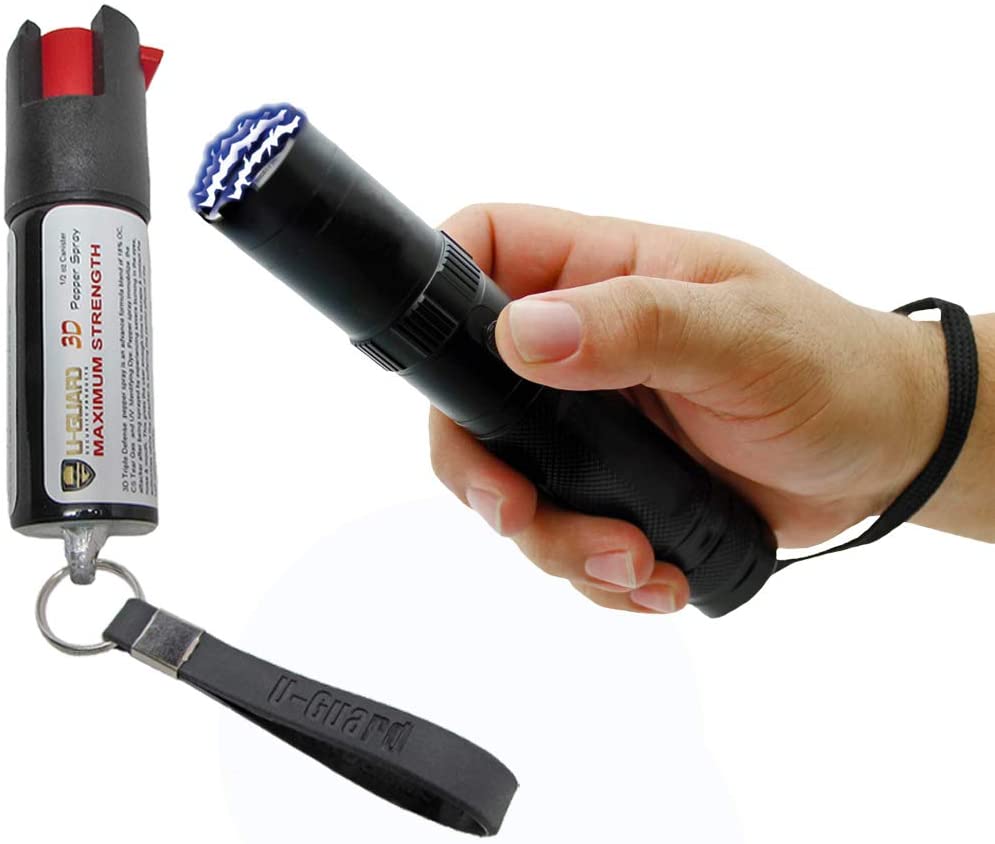
Even the smallest models deliver enough voltage to overwhelm the nervous system, locking muscles and bringing an attacker to the ground. This temporary paralysis gives you precious moments to escape. Since tasers are classified as non-lethal weapons, they’re less likely to cause lasting physical harm, making them a compelling option for people who want stopping power without deadly consequences — aside from rare exceptions involving medical conditions such as pacemakers.
2 – Mace / Pepper Spray
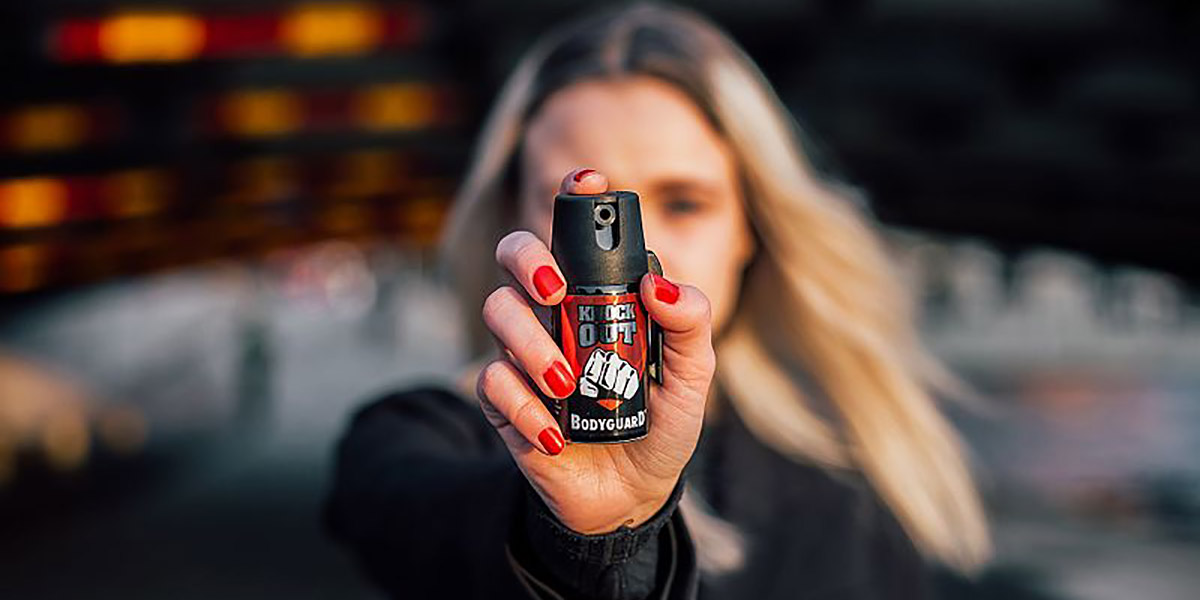
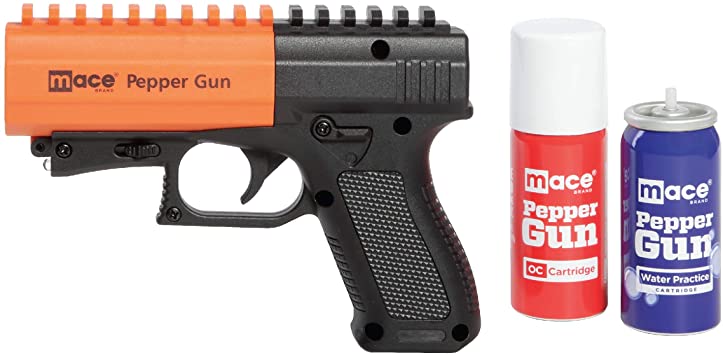
Pepper spray is one of the simplest yet most powerful self-defense tools available. It’s affordable, highly effective, and easy for almost anyone to use under pressure.
The active ingredient is a form of concentrated chili extract capable of causing extreme burning on the skin and especially the eyes. A short blast to the face can disable even the strongest attacker, forcing their eyes shut and overwhelming them with pain, coughing, and disorientation.
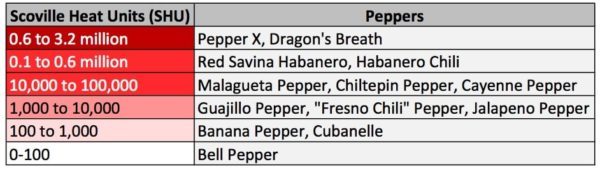
One of the strongest options available is Devil Juice Pepper Spray, rated at 3,000,000 SHU — which is dramatically hotter than the average chili pepper by an almost ridiculous margin. Knowing how potent it is brings a level of confidence, but you should still practice using it so that drawing and aiming become instinctive.
Even with practice, learning the basics takes only minutes. A quick session in your backyard is usually enough to become familiar with the spray pattern and the safety mechanism. Despite its simplicity, pepper spray remains one of the most trusted personal defense tools worldwide.

3 – Brass Knuckles
Few items send a clearer message than brass knuckles. They’ve been associated with street fighting for generations and have an unmistakable presence. Their simple design amplifies a standard punch into something much more devastating by concentrating the force across hardened metal rather than bare knuckles.
Using brass knuckles isn’t subtle, and the damage they can inflict is significant: broken noses, deep cuts, and bone-shaking impact are all common. Because of this, they demand caution and the willingness to face the graphic consequences of using them in a real confrontation. They’re powerful, compact, and brutally effective.

4 – Credit Card Knives
These cleverly designed blades hide in plain sight. When folded or stored, they look like standard credit cards that blend effortlessly into a wallet. In reality, they conceal sharp edges capable of providing quick, decisive defense in a close-quarters emergency.

Some versions flip open to reveal a small folding blade, while others are simply thin slabs of sharpened steel. A few even incorporate multi-tool elements for additional utility. They’re not meant to replace a dedicated knife, but in a dire situation, having a blade disguised this discreetly can be the difference between vulnerability and having a fighting chance.
5 – Tactical Pens
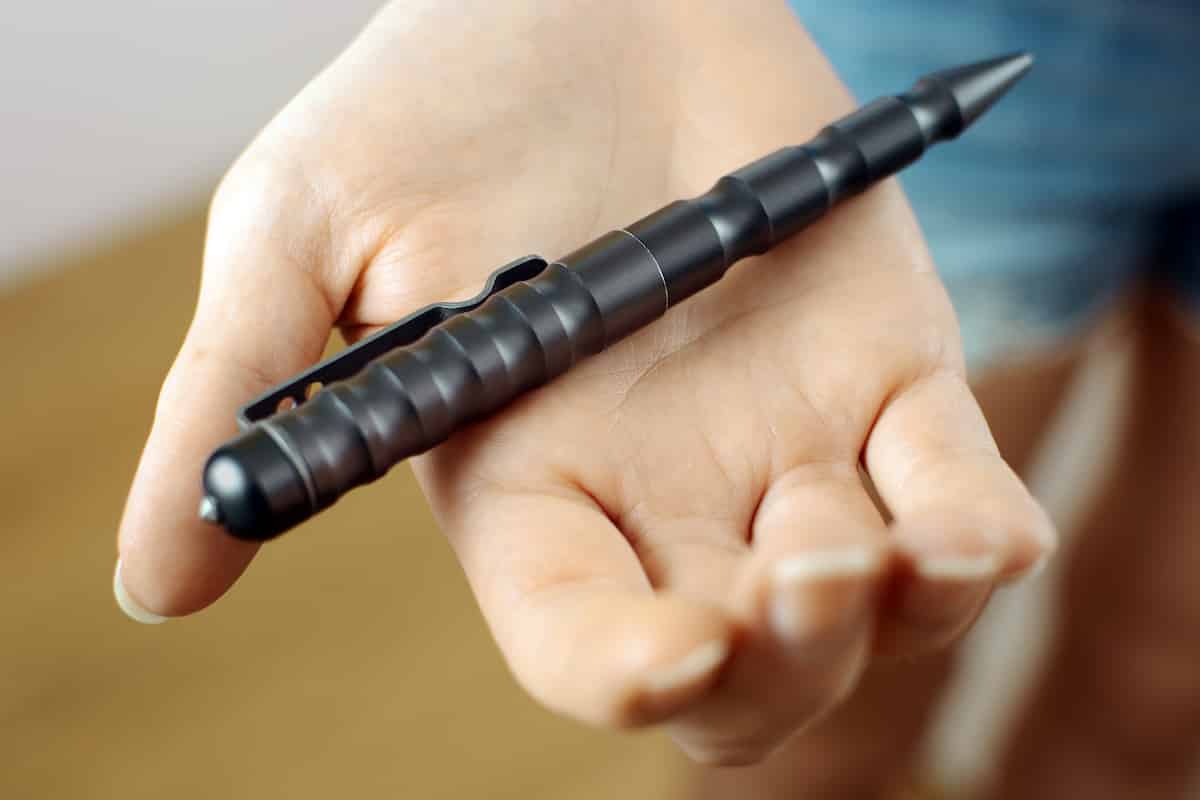
The most practical defensive tools are often the ones that attract the least attention. A tactical pen fits this description perfectly. It writes like a normal pen, looks ordinary enough for everyday use, yet is built from reinforced metal that can withstand a surprising amount of force.
These pens can strike pressure points, break glass, and jab with significant impact. Many models also include additional tools — tiny blades, screwdrivers, scrapers, or small LED flashlights — making them versatile additions to any everyday carry setup.

Tools such as the StrikePen combine multiple functions in a durable metal body, offering a bright flashlight, interchangeable tips, and a hardened steel point capable of breaking windows or defending against an attacker. Despite all these features, they still operate smoothly as regular pens, which adds to their appeal.
Used correctly, a tactical pen can create enough pain and surprise to stop an intruder long enough for you to escape. Their compact size and discreet appearance make them one of the most easily carried self-defense tools available today.
6 – The StrikeLight
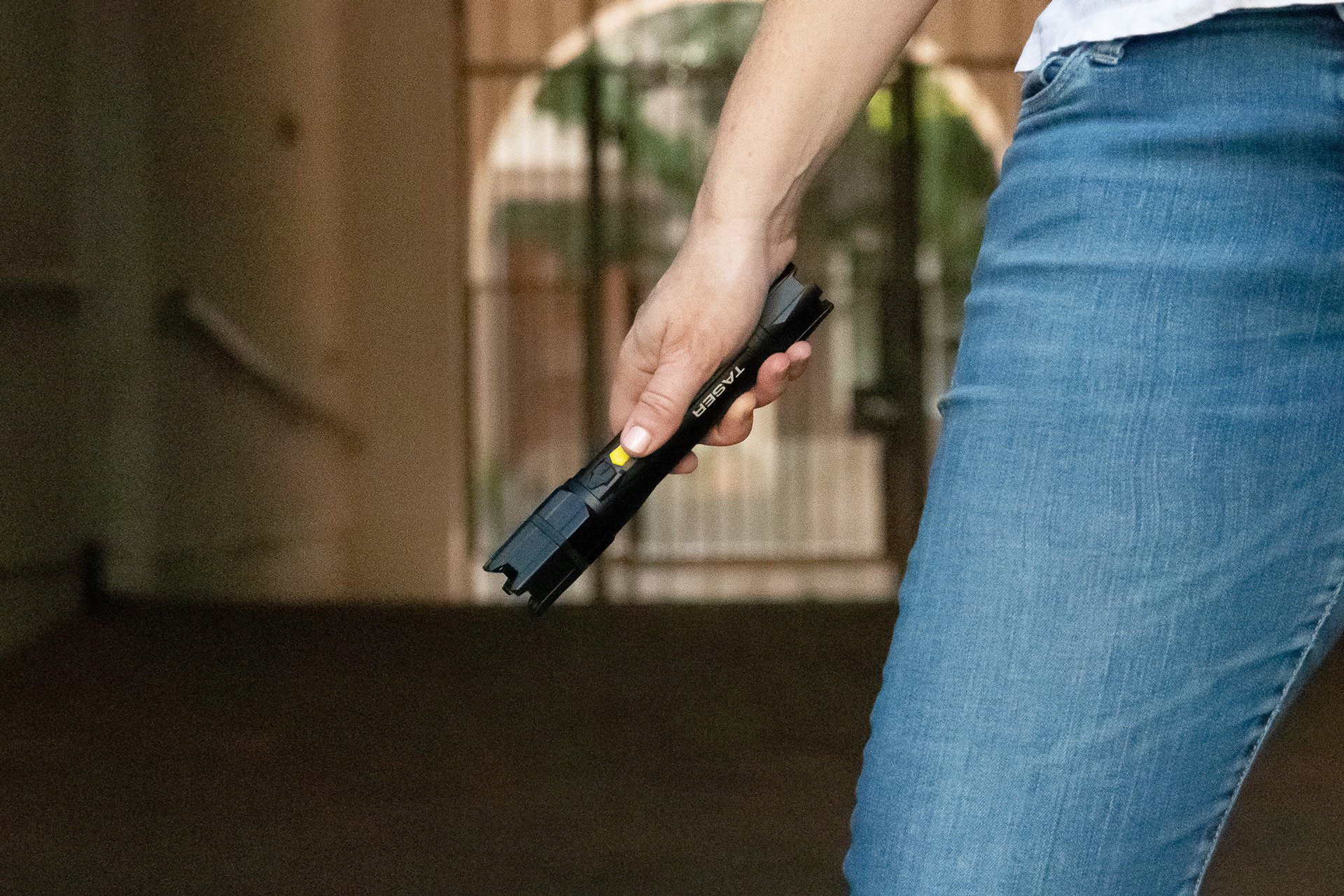
Waking up to an unfamiliar noise in the middle of the night forces you to make quick decisions. Do you reach for a flashlight to investigate or grab something heavy in case someone is inside? The StrikeLight eliminates that dilemma by combining both tools into one.
It includes a bright LED beam with multiple modes, including a strobe setting designed to overwhelm and disorient an intruder’s vision. A flashing strobe can interrupt an attacker’s depth perception, buying you precious seconds.
When things escalate, the StrikeLight’s solid, baton-like body becomes a capable striking tool. Its metal frame, reinforced teeth, and extendable section give it extra reach and impact strength. With a quick twist, the length increases, making it feel closer to a compact baton.
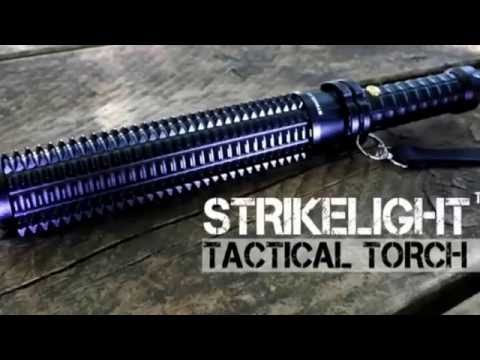
The StrikeLight is ideal for people who want something straightforward, non-lethal, and adaptable to both visibility and defense.

7 – Monkey Fist
The monkey fist is a classic self-defense tool with roots stretching far back into maritime history. Traditionally, sailors tied heavy knots around weighted cores to create throwing tools for docking ropes. Over time, people realized the same design could become a formidable close-quarters weapon.
A monkey fist is essentially a dense ball wrapped tightly with cord, attached to a length of rope or paracord. With a simple swing, the weight generates significant momentum, delivering a powerful impact capable of stunning an attacker. Its simplicity, size, and deceptive appearance make it surprisingly effective.
Benefits of Modern Defensive Tools
Modern self-defense weapons share a few major advantages that separate them from traditional martial arts weapons. First, they don’t demand years of training. Even though practice is always beneficial, tools like pepper spray, tasers, and tactical pens can be learned quickly.
Second, many modern tools are designed to incapacitate rather than kill. This reduces the risk of causing irreversible harm and helps keep the defender within moral and legal boundaries.
Third, modern defensive tools are compact and easily concealed. You can keep pepper spray on a keychain, tuck a tactical pen into a shirt pocket, or slip a small taser into a purse without drawing attention. This practicality makes them far more suitable for daily carry than larger, older-style weapons.
Ancient Self-Defense Weapons
Long before modern gadgets and compact electronic tools, people relied on what they had immediately available: their own bodies and simple, sturdy implements. There were no stun guns, no spray canisters, no disguised knives. If someone wanted to protect themselves, they trained their muscles, sharpened blades by hand, and practiced repetitive movements until they became instinctual.
These older weapons may look primitive compared to today’s technology, but they shaped entire cultures and combat systems. They demanded discipline, patience, and commitment. And even though most of us don’t walk around carrying swords or wooden staffs, understanding these traditional tools gives you a deeper appreciation of what “self-defense” meant throughout history.

8 – Hands And Feet
The most fundamental weapons you will ever own are attached to you: your hands, your feet, your knees, your elbows, your body weight. At first glance, that might sound obvious, but in trained hands (and trained feet), the human body becomes a surprisingly effective defensive system.
Different martial arts styles have spent decades or centuries refining methods to strike, evade, lock joints, and escape holds. Systems such as Karate, Taekwondo, Hapkido, Aikido, Jujitsu, Muay Thai, and Krav Maga all revolve around using the body as a tool for protection. Each discipline takes a slightly different approach — some focus more on striking, others on grappling or leverage — but they all share the same goal: allow a smaller person to survive an encounter with a larger, stronger opponent through technique and timing rather than brute strength.
With consistent practice, you begin to move differently. You become more aware of distance, angles, and how people carry themselves before they act. You also develop balance, coordination, and a sense of when to disengage instead of escalate. That’s an underrated aspect of training: good instruction doesn’t just teach you how to hit; it also teaches you when not to.
The biggest advantage of relying on your body is that you’re never truly unarmed. Whether you’re in your own home or out on a walk, your body goes wherever you go. The downside is that using only your body usually requires more training and fitness than pressing a button or spraying a can, which is why so many modern tools were invented in the first place.

9 – The Quarterstaff
A staff or walking stick might seem harmless at first glance, but in skilled hands, it becomes an extremely capable defensive tool. Historically, staffs were popular because they blended naturally into daily life. People used them for hiking rough paths, supporting tired joints, and even as symbols of status. At the same time, they served as readily available protection.
A quarterstaff is essentially a long, sturdy pole, traditionally made from hardwood. Its length provides excellent reach, which means you can keep an aggressor at a distance rather than grappling at close range. The staff can redirect incoming strikes, block swings, and generate powerful counterattacks by using the whole body to rotate and drive the ends.
Because it looks like an ordinary stick, a staff doesn’t usually attract the same suspicion that a sword or obvious weapon might draw. That “innocent” appearance is one of its biggest strengths. You can walk down a trail carrying a hiking staff without anyone assuming you’re armed.
There are many variations: bo staffs, jo staffs, hiking poles, walking sticks, and canes. Each style has its own subtle handling characteristics. Traditional training emphasizes footwork, body positioning, and using both ends of the staff fluidly. Even basic techniques can dramatically increase your ability to deflect and disrupt attacks from multiple angles.
The cost is another advantage. A good staff is usually far cheaper than blades or complex gear. And if you learn core principles with a training staff, you can adapt those concepts to improvised tools like broom handles or branches in emergencies.

10 – The Sword or Machete
The sword has dominated human imagination for centuries — from ancient warriors to legends and films, it has always symbolized power and combat skill. It comes in many forms: curved blades, straight rapiers, broad sabers, and more. Historically, swords were personal weapons, closely associated with the identity and honor of their owners.
In a modern self-defense context, however, swords are rarely practical. They are large, conspicuous, and heavily regulated in many areas. They also demand considerable training to use responsibly and safely. A poorly controlled swing can be as dangerous to the wielder as to the attacker, and the consequences of using a sword in real life are almost always severe.
Machetes sit at an interesting midpoint. In many regions, they are working tools for clearing brush, cutting vegetation, and doing agricultural tasks. Because of that, they can be more socially acceptable in some environments. A machete has a broad blade, plenty of cutting surface, and enough weight to generate serious power.
As a survival tool, a machete is incredibly versatile. It can help with bushcraft, building shelters, and processing wood. That practical utility is its main appeal. In a last-resort scenario, it can certainly be used for self-defense, but it remains a lethal instrument with major legal and moral implications. Anyone considering owning one should think of it primarily as an outdoor tool and treat its defensive potential as a distant, serious last resort rather than a first-line choice.
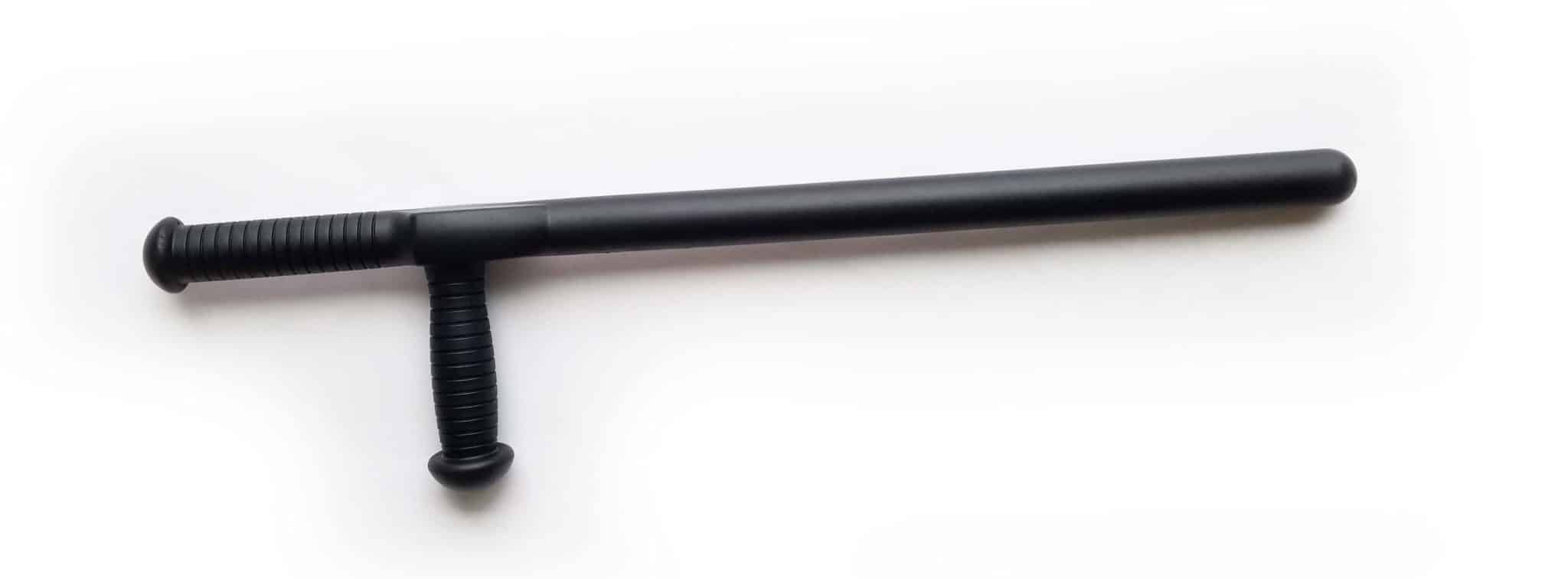
11 – Tonfa / Nightstick
The tonfa is a traditional martial arts weapon that inspired many modern police batons and nightsticks. It typically consists of a straight shaft with a perpendicular handle about a third of the way down its length, forming an “L” shape. This design allows for powerful strikes, blocks, and rotational movements.
Police-style nightsticks borrow heavily from this concept. Held along the forearm, they can shield the user from incoming blows and then swing outward to deliver controlled strikes. When used properly, they can stop or redirect an aggressor and create space between you and the threat.
The advantage of this style of tool is leverage. The side handle allows quick rotations, which generate significant force with relatively small motions. It also provides stability when blocking. However, the very qualities that make tonfa and nightsticks effective also make them potentially dangerous if mishandled or misused.
In many places, carrying a baton-like weapon in public space is regulated or restricted. Anyone curious about this type of tool needs to investigate local laws carefully and, if legal, seek proper instruction to avoid injuring themselves or others unintentionally.
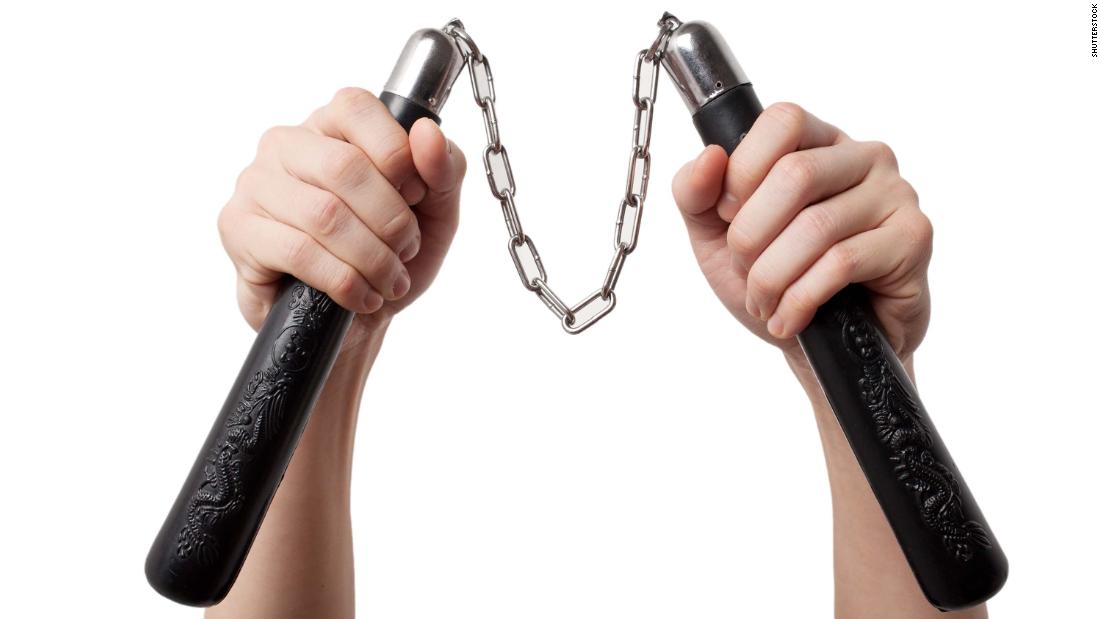
12 – Nunchucks
Nunchucks (or nunchaku) gained worldwide recognition thanks to martial arts cinema. They look complex, but the basic idea is simple: two sticks connected by a short length of chain or cord. The swinging motion multiplies speed and momentum, making even a light pair capable of significant impact.
At first, they can feel unpredictable. Beginners often hit their own elbows, shoulders, or backs while learning. With guidance and practice, however, the movements become more fluid and controlled. Even basic techniques can generate enough speed to discourage someone from coming closer.
Because they are compact, nunchucks can be stored in a small space such as a bag or glove compartment. However, in many regions they fall under specific weapon laws and may be restricted or outright illegal to carry in public. This legal side is important: owning or training with them at home is one thing, walking around with them in a city environment can be another entirely.
One honest reality about nunchucks: they are visually dramatic. Just seeing someone who clearly knows how to use them can be enough to make an aggressor reconsider. Still, like all impact weapons, they should be approached with caution and respect, and never used carelessly.

Pros and Cons of Traditional Martial Weapons
Older martial weapons have a certain appeal. They’re iconic, dramatic, and often associated with discipline and mastery. Training with them can build coordination, focus, and confidence. There is also a cultural and historical richness to them that many people find rewarding.
However, there are drawbacks in a modern self-defense context. Most of these tools are large, hard to conceal, and not designed for everyday urban life. You can’t realistically walk through a crowded neighborhood with a long staff or sword without attracting attention or running into legal trouble.
They also require consistent, structured training. You don’t become proficient with a staff, tonfa, or sword after a weekend. Without proper guidance, the risk of self-injury or uncontrolled force is high. And even when used correctly, the level of damage they can inflict is often severe, which leads to serious legal consequences in many jurisdictions.
For most people today, traditional weapons make more sense as training tools within a controlled environment than as primary everyday self-defense options. They can sharpen your timing, footwork, and awareness, all of which transfer to other areas of life — but they are rarely the most practical items to rely on in an unexpected street-level incident.
Weird Weapons for Self-Defense
Not all self-defense tools fit neat categories. As technology and creativity spread, manufacturers and enthusiasts have experimented with unusual designs that blur the line between novelty and practicality. Some of these items are niche but functional; others lean more toward conversation pieces with limited real-world usefulness.
Still, exploring these oddities can be interesting. A few may even match specific lifestyles or preferences, especially for people who want something different from the usual sprays or electronic devices.

13 – Tri-Section Staffs
A tri-section staff is essentially a staff broken into three connected segments, joined by chains or rope. It’s a complex, flexible weapon originating from traditional Chinese martial arts. In theory, it combines the reach of a staff with the dynamic angles of a flail-like weapon.
In practice, it is extremely challenging to control. Without thorough training, there is a very real risk of striking yourself instead of an attacker, and not just once. The segments can swing unpredictably, and the learning curve is steep. For that reason, it’s more of a specialty weapon for dedicated practitioners than a realistic self-defense choice for the average person.
While impressive to watch in demonstrations, the tri-section staff is better suited to martial arts schools and performance than to everyday carry. For most people concerned with personal safety, simpler, easier-to-control tools make far more sense.

14 – Hyper Whistle
Sometimes, the safest way to deal with a threat is not to fight at all, but to draw as much attention as possible. That’s where devices like an extremely loud whistle come in. A high-decibel whistle can overwhelm an attacker’s senses at close range and simultaneously alert people at a distance that something is wrong.
Certain “hyper” whistles are engineered to reach very high sound levels, creating intense discomfort for anyone nearby when blown. Most people instinctively recoil from such noise, and the sudden blast can interrupt their focus or intention. At longer distances, it acts as a beacon, helping rescuers or bystanders locate you.
This kind of tool is lightweight, non-lethal, and legal in many more places than conventional weapons. It’s especially suited to runners, hikers, and people who spend time in isolated areas and want a way to call for help. While it doesn’t physically stop an aggressor, it can disrupt the moment and attract outside assistance rapidly.

15 – Key Knives
Key knives look like ordinary house keys at first glance, but they hide a small folding blade inside. The idea is simple: keep something sharp and accessible on your keyring without drawing attention.
In terms of self-defense, they’re designed for emergency situations where you might not have any other tools available. Because they are small, they are not meant for prolonged fighting but rather as a quick-response option to create an opportunity to break contact and escape.
As with other disguised tools, local laws can vary significantly. Some areas treat concealed blades more strictly than visible ones, so anyone considering a key knife should check regulations carefully. Used responsibly, they offer an extra layer of security with minimal bulk, but they are still blades and should be handled with the same care and respect as any small knife.

16 – Cell Phone Stun Guns
Cell phone stun guns are designed to resemble smartphones while functioning as compact stun devices. The appeal is obvious: something that blends into modern life, looks ordinary, and can be carried in a pocket or bag without immediately revealing its true purpose.
In reality, owning one usually means carrying two devices — your actual phone and the stun gun that only looks like a phone. That can be somewhat inconvenient, but for some people, the ability to disguise a defensive device is worth the trade-off.
Like other stun devices, they should be treated with care, stored securely, and used strictly as a last resort. Anyone considering them should also make sure they understand local laws, as electronic defensive tools are regulated differently across regions.
Practical Thoughts on Choosing Self-Defense Tools
When it comes to self-defense, the underlying principle is the same regardless of the tool: your goal is to protect yourself and get to safety, not to seek confrontation. Tools are there to help you create distance, disrupt a threat, and escape, not to turn you into a vigilante.
Different people will naturally gravitate toward different options. Some feel more comfortable with something simple like a loud whistle or a can of pepper spray. Others prefer the structure and discipline of martial arts training, using their body as the primary means of defense. Some like compact devices such as tasers or tactical pens that add an extra layer of reassurance.
Whatever you choose, it’s important to approach the decision thoughtfully:
-
Make sure you understand the legal status of the tool where you live.
-
Take time to practice safe handling and basic use so you’re not fumbling in a stressful moment.
-
Store any potentially dangerous items securely, especially around children or curious visitors.
-
Focus on awareness, avoidance, and de-escalation first, keeping tools as a last line of defense.
Self-defense tools can give you confidence and options when life becomes unpredictable, but they also come with responsibility. The real power lies not just in the object you carry, but in the way you choose to act when pressure rises — staying aware, thinking clearly, and using any tool you own in a way that aligns with both your safety and your values.