



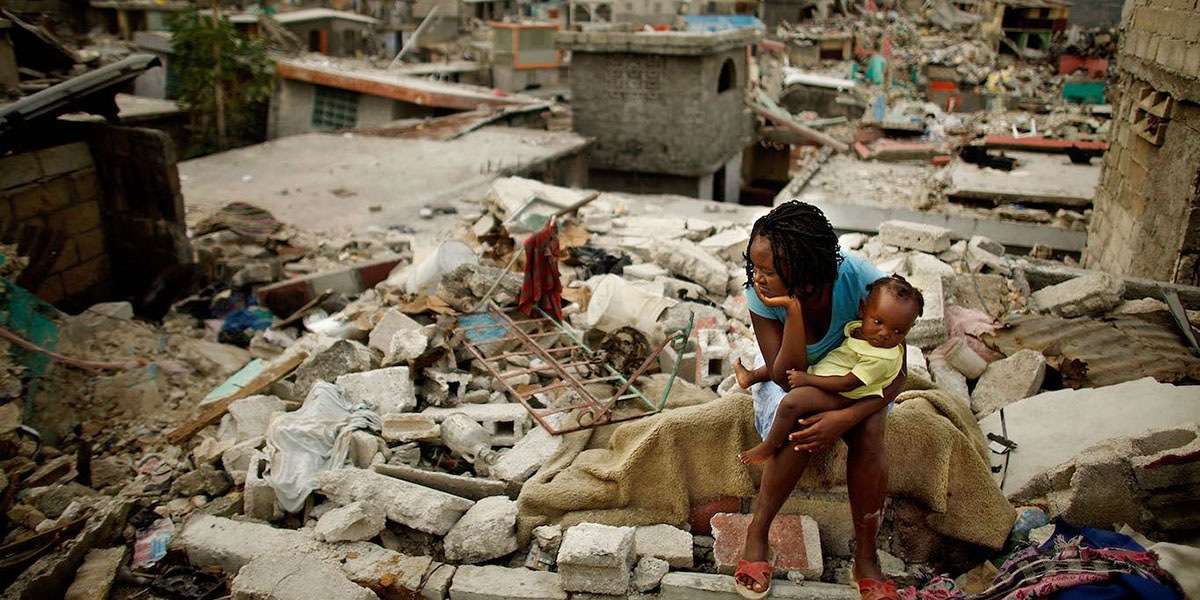
What makes earthquakes especially challenging is that the danger doesn’t come from one single source. It’s not only the shaking ground that threatens you; it’s the falling objects inside your home, damaged power lines, unstable structures, and the chain reaction of problems that follow in the hours and days after. Water lines may break, electricity can fail, streets might be blocked, and emergency services often become overwhelmed. That’s why real preparedness isn’t about reacting in the moment—it’s about building a plan that helps you stay safe through every stage of the event.
Whether you live near an active fault line or in a region that only experiences occasional tremors, having an earthquake strategy gives you confidence and clarity. Understanding which hazards to fix in your home, how to protect yourself when shaking starts, and what to do once the movement stops can prevent injuries, reduce panic, and help your family stay connected. The goal isn’t to create fear; it’s to create readiness. When the earth shakes without warning, the knowledge you already prepared becomes your strongest protection.
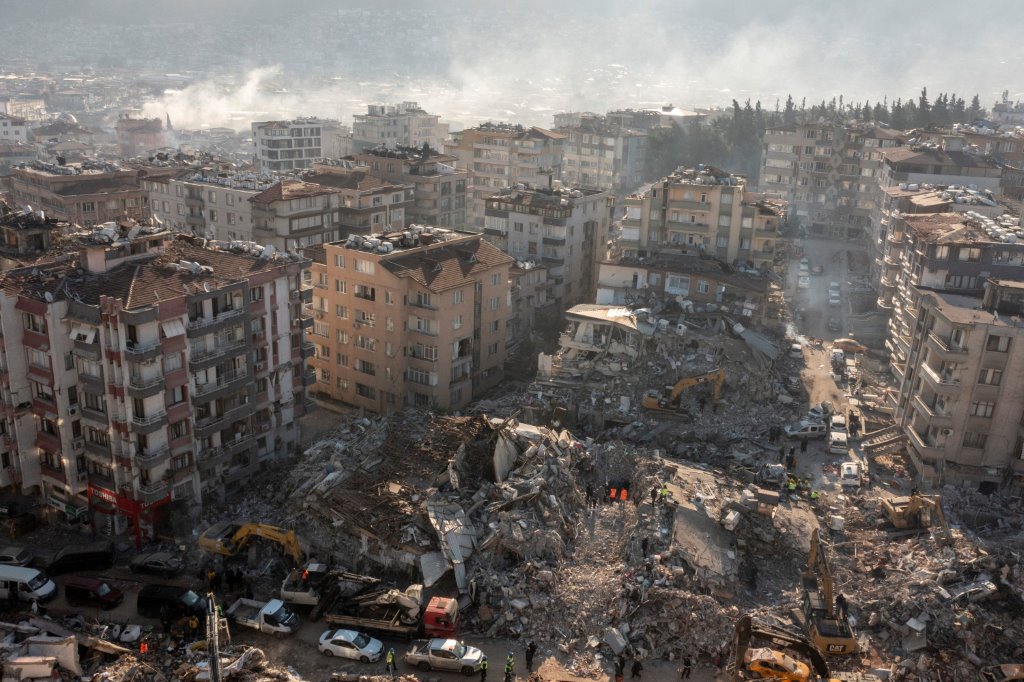
How to Survive an Earthquake
Before: Getting Yourself Ready for the Shaking
Earthquakes are violent, sudden, and often disorienting. By identifying risks ahead of time, you reduce your family’s chances of injury and protect your home from avoidable damage. Many people focus only on what might happen outdoors, but the inside of a home can be equally dangerous when items start falling, sliding, or tipping over.
Start by going room to room and looking at your space through a different lens. Anything tall, heavy, unstable, or loose becomes dangerous once the shaking begins. Take simple steps early: anchor large furniture to the wall, secure overhead lights, and follow your local seismic building code recommendations whenever making improvements. Even small adjustments—tightening fixtures, reinforcing shelves, securing cabinets—can make a surprising difference.
Many injuries happen not from collapsing buildings but from falling items. That’s why taking inventory is essential. Secure objects that could fall, place fragile or heavy items at lower levels, and avoid hanging mirrors or frames above beds or seats. The goal is to remove unnecessary risks so the environment around you becomes safer by default.
Once the shaking stops, normal life won’t instantly resume. Water, power, and services may be unavailable for days. Creating an earthquake supply kit gives you the essentials you need to stay safe and comfortable until help arrives or utilities return. This kit should include enough water, food, basic necessities, and essential medication to last at least 72 hours. Keeping it in a location you frequent—such as your living room closet or bedroom corner—helps ensure you can reach it quickly.
It’s also important to prepare for communication challenges. Cell towers may go down, electricity may cut out, and digital tools won’t always help. A family emergency communication plan makes reunification more predictable during chaos. Choose an out-of-state contact everyone can reach if local lines are overloaded, and make sure each family member memorizes or carries that person’s information.
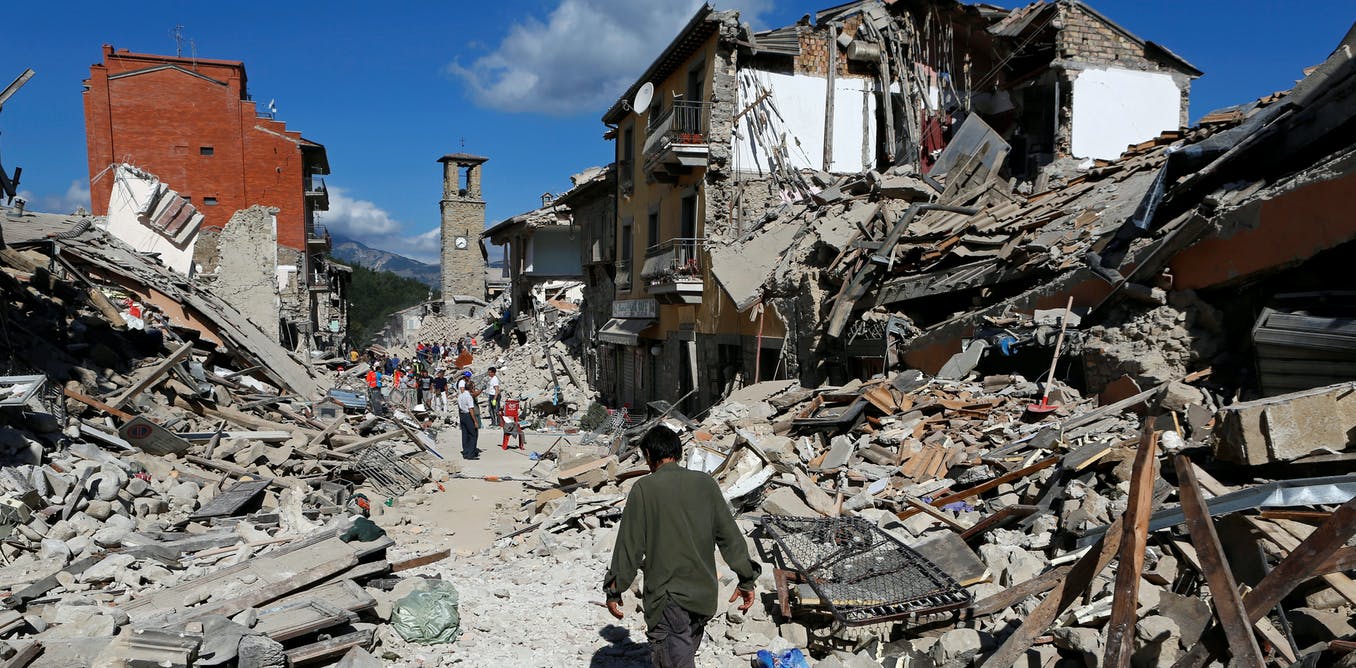
Everyone shares responsibility for preparing themselves and their homes. Since earthquakes provide no countdown, readiness must happen before the first tremor—not after. The entire process can be broken into three main tasks:
-
Learning exactly what to do in each stage of the event—before, during, and after the shaking.
-
Creating a family emergency plan so every person knows where to go and what to do if separated.
-
Building and maintaining an emergency kit with enough supplies to stay self-sufficient for at least 72 hours.
These steps don’t just prepare you for earthquakes—they prepare you for many other emergencies that disrupt normal life. Keeping this guide within reach, perhaps inside your emergency kit, ensures you can refer to it quickly when needed.
What Happens During an Earthquake
Smaller or Moderate Quakes
-
These typically last only a few seconds and rarely cause structural danger.
-
Ceiling lights may sway and objects might rattle or shift slightly.
-
You may feel a gentle vibration in the ground if you’re outdoors.
-
If you are close to the epicenter, you might hear a loud cracking or banging noise before the shaking begins.
Larger, More Intense Quakes
-
These can last several minutes and are considered major disasters when they strike near populated regions.
-
The ground may move sharply or roll beneath your feet, sometimes violently.
-
People often describe the motion as similar to being on a boat.
-
You may hear a deep rumbling sound or notice tall buildings swaying.
-
The force can make walking nearly impossible.
-
In high-rise buildings, the shaking feels different: quicker motions on lower floors, broader sways on higher floors.
-
Furniture, unsecured appliances, and unstable objects can topple, slide, or even be thrown across rooms.
-
Ceiling panels and light fixtures may fall.
-
Windows can break and alarm systems may activate.
-
Electricity may shut off unexpectedly as systems trip or wires disconnect.
HOW TO SURVIVE

Step 1: Understand the Risks and Begin Preparing
To truly prepare for an earthquake, you need to know the hazards specific to your region. Some areas face more severe risks because of fault lines or geological history. Learning about local hazards helps you understand what kind of shaking to expect and how best to protect your home.
Before an Earthquake
Walk through your home and imagine how each room would behave under strong shaking. This mental walk-through helps you identify weaknesses before they become dangerous. As you evaluate your space, address the following:
-
Teach all capable family members how to shut off water and electricity, and label these clearly.
-
Fix loose shingles and address roof weaknesses.
-
Secure water heaters with proper bracing systems.
-
Anchor large appliances to walls.
-
Protect valuable electronics by securing them well.
-
Use fasteners or brackets to stabilize tall or heavy furniture, and avoid placing heavy items high on shelves.
-
Secure delicate or expensive items to avoid preventable losses.
-
Make sure mirrors and frames are firmly attached.
-
Move beds and chairs away from windows and chimneys, and use curtains to help contain glass.
-
Use anti-slip pads or Velcro on smaller appliances.
-
Install safety latches on cupboards.
-
Store flammable materials away from heat or unstable areas.
-
Organize garages to minimize hazardous spills and damage.
-
Consult professionals about strengthening structural weak points.
-
For apartment residents, coordinate with building managers to ensure safety steps are followed.
-
For mobile homes, consider bracing systems or other stabilizing approaches.
-
Update and review your emergency plan regularly.
-
Maintain an emergency kit for at least 72 hours of self-sufficiency.
-
Discuss earthquake insurance with your broker to understand coverage.
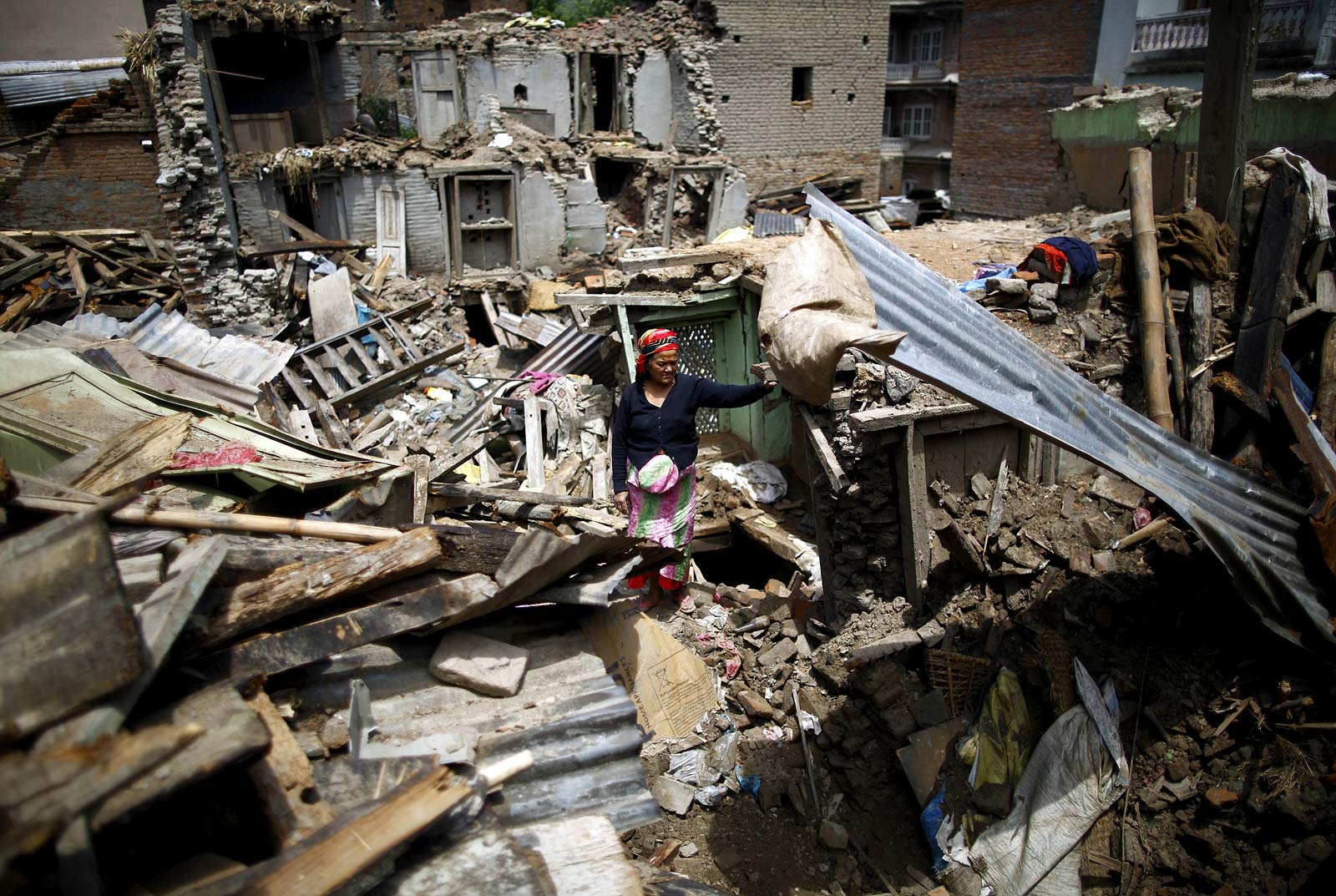
During an Earthquake
Wherever you are when shaking starts, your immediate goal is to protect yourself quickly and efficiently. Move only as much as necessary to reach a safe position, then stay there until the movement stops.
If You Are Indoors: Follow “DROP, COVER, AND HOLD ON”
-
Stay inside—running outside increases danger.
-
Drop beneath sturdy furniture such as a table, desk, or bed.
-
Cover your head and torso to shield yourself from falling debris.
-
Hold on to the furniture so it stays over you as the room moves.
-
If you cannot reach sturdy furniture, crouch by an interior wall and protect your head and neck.
-
In shopping malls, step into the nearest store and avoid shelves.
-
At school, get under a desk and face away from windows.
-
If in a wheelchair, lock the wheels and protect your head and neck.
If You Are Outdoors
-
Stay outside and move into the widest open area you can find.
-
Avoid the sides of buildings, tall structures, and anything that might collapse.
-
In crowds, choose a spot where you won’t be knocked down or trampled.
If You Are in a Vehicle
-
Pull over safely without blocking the road.
-
Avoid bridges, overpasses, and nearby structures.
-
Stay inside the vehicle until the shaking stops.
-
Use the radio to receive emergency updates.
-
If power lines fall on the vehicle, wait for trained help.
-
Display a HELP sign if you need assistance.
-
On a bus, stay seated until it stops, then take cover if possible.
Avoid These During an Earthquake
-
Doorways—they’re not safer and doors can swing violently.
-
Windows and tall furniture—these can shatter or fall.
-
Elevators—get out on the next available floor if the quake starts while you're inside.
-
Downed power lines—stay well away from them.
-
Coastal areas—move to higher ground immediately to avoid potential tsunamis.
After an Earthquake
-
Stay calm and help where you safely can.
-
Prepare for aftershocks, which may be strong.
-
Listen to official information on TV or radio.
-
Return telephone receivers to place and keep calls limited to true emergencies.
-
Wear sturdy shoes and protective clothing to avoid cuts.
-
Inspect your home for damage; avoid entering if it looks unsafe.
-
Unplug faulty lights or electronics to reduce fire risk.
-
Stay away from chimneys or walls that may collapse.
-
Take your emergency kit if you must leave home and leave a visible message.
-
Check for gas leaks—never use flames or switches until you’re sure it’s safe.
-
If you smell gas, call your provider and shut off the valve only if you know how.
-
Store water if your taps still work; use alternative sources if they don’t.
-
Avoid flushing toilets if sewer lines may be damaged.
-
Leave if hazardous materials are present.
-
Check on neighbors, especially vulnerable individuals.
-
Care for pets and bring them if evacuation is required.
-
Place a HELP sign if you need assistance.
Step 2: Build a Reliable Family Plan
Every household needs a clear, practical emergency plan long before anything goes wrong. An earthquake can separate family members without warning—children might be at school, someone might be at work across town, and others could be running errands. Because communication systems often fail immediately after a major quake, having a written and rehearsed plan gives everyone a sense of direction instead of panic.
Start by having an honest household conversation about what could happen and what each person should do depending on where they are when the shaking begins. Make a list of tasks that should be completed in advance—these might include preparing documents, identifying safe meeting points, and organizing essential information.
Store your most important family documents—passports, birth certificates, insurance paperwork, legal records—in waterproof containers. These items can be extremely difficult to replace during a disaster recovery period, and having them secured early saves you both time and stress later. Choose a trusted out-of-town contact who can serve as your family’s communication anchor. After a disaster, it may be easier to call long distance than to reach someone locally, so having one central contact helps everyone reconnect.
Once your plan is written, practice it. Walk through it with every family member at least once a year. This keeps the details fresh and helps identify weak points or missing elements. Make sure each person keeps a copy in a place they can reach quickly—school bags, glove compartments, bedside drawers—so that the instructions are never far away.
Step 3: Assemble a Complete Emergency Kit
During an earthquake or afterward, basic services like electricity and clean water may not be available. Roads may be blocked, stores may be closed, and help may take days to reach your neighborhood. A well-planned emergency kit allows you and your family to stay safe, comfortable, and self-sufficient in the days following the disaster.
Your kit doesn’t need to be complex, but it must be thorough. Many people already own essentials like flashlights or canned food—they’re just scattered around the house. The key is organizing these items in one portable, easy-to-reach place. Imagine needing a flashlight in the dark—if you don’t know where it is, it isn't useful. A backpack, wheeled suitcase, or sturdy duffel bag works well as a container, especially if an evacuation becomes necessary.
Make sure everyone in your household knows exactly where the kit is stored. It shouldn’t be buried in storage or placed somewhere difficult to access. The front hall closet, the space by your bedroom door, or a designated shelf are all good options.
Basic Emergency Kit Essentials
-
Water—plan for at least two liters per person per day and include smaller bottles for portability in case of evacuation.
-
Non-perishable foods such as canned goods, dried snacks, and energy bars. Replace these annually to keep them fresh.
-
A manual can opener for any canned food.
-
A wind-up or battery-powered flashlight, with extra batteries stored in a sealed bag.
-
A wind-up or battery-powered radio so you can hear official updates even without electricity.
-
A complete first-aid kit with bandages, antiseptics, medicines, and any special items required by family members.
-
Prescription medication, baby formula, or equipment needed by those with disabilities or medical conditions.
-
Spare keys to your home and vehicle.
-
Cash in small denominations to use if digital payment systems fail.
-
A printed copy of your emergency plan and important contact information.