



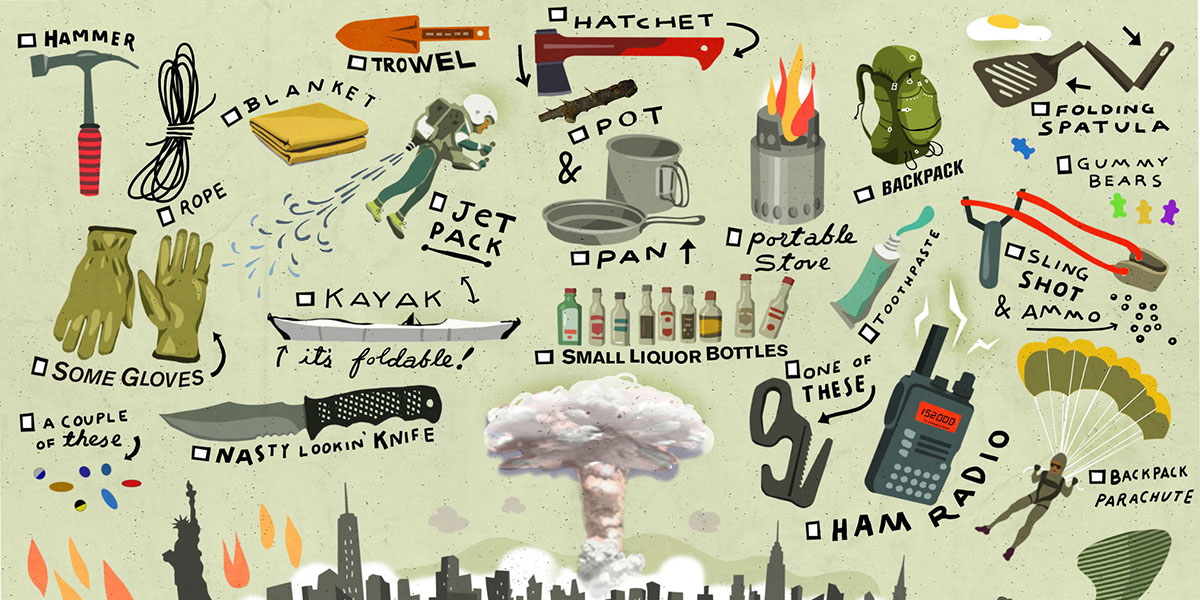
Preparing for large-scale emergencies — whether nuclear fallout, widespread disease, or total civil breakdown — demands more than basic readiness. Stocking water, food, and ways to make fire or electricity is only the beginning. Real survival means anticipating the unexpected, thinking ahead when others freeze, and gathering tools that help you stay alive when the world around you stops functioning the way it should. Once you move beyond the fundamentals, you start looking at the gear that can genuinely elevate your ability to endure chaos.
And then there’s the scenario almost everyone has joked about, debated, or secretly imagined surviving at least once: the zombie apocalypse. Whether you grew up watching survival shows, reading end-of-the-world fiction, or diving into games about the undead, the idea has been everywhere. During the early 2010s, discussions exploded thanks to shows like The Walking Dead, which pushed zombies into mainstream culture and sparked countless conversations about preparation, gear, and strategy.Many people realized that surviving a hypothetical zombie outbreak isn’t as simple as swinging a bat or hiding in a basement. Supplies vanish fast, safe places become rare, and every decision can determine whether you make it through the night. Resources get limited, weapons become priceless, and staying alive requires adaptability.
There’s even a video exploring the idea from a playful perspective, but the truth is simple: while zombies may not be knocking on your door tomorrow, unexpected emergencies absolutely can. That’s why it’s smarter to build a kit now instead of scrambling later. Below is a detailed breakdown of items that belong in a well-prepared zombie survival kit — tools and gear that also translate extremely well to real-life disaster readiness.

17 Things You Need in Your Zombie Survival Kit
1. Wall-Mounted Organizer Rack for Essential Tools
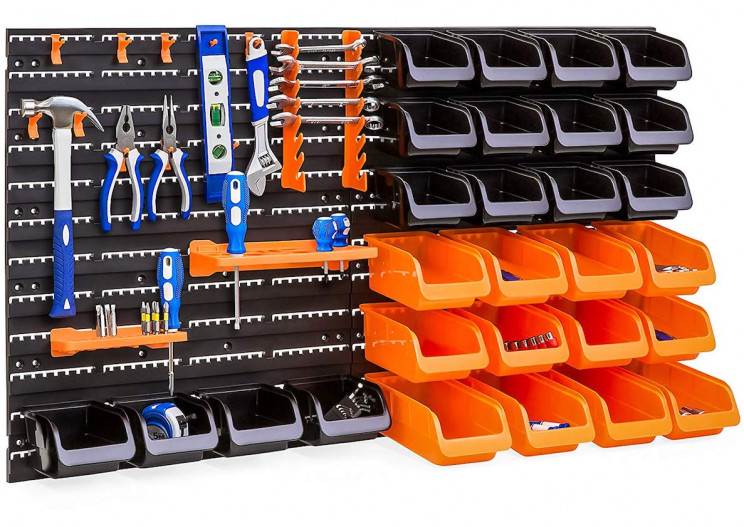
Imagine you’ve secured a bunker or a safe hideout during an outbreak. Chaos may reign outside, but your shelter must remain orderly if you want to work efficiently. Keeping your gear organized helps you find tools quickly, build improvised weapons faster, and maintain your equipment without losing precious time. A mounted storage rack is surprisingly valuable for this purpose.
A 44-piece wall-mounted rack gives you space for small tools, lightweight weapons, tapes, cords, and all the little items you’ll frequently need. Its durability ensures it holds up in long-term emergencies, allowing you to create a reliable workstation inside your shelter. When your environment is unpredictable, structured organization becomes a survival advantage.
2. Water-Resistant Tactical Torchlight
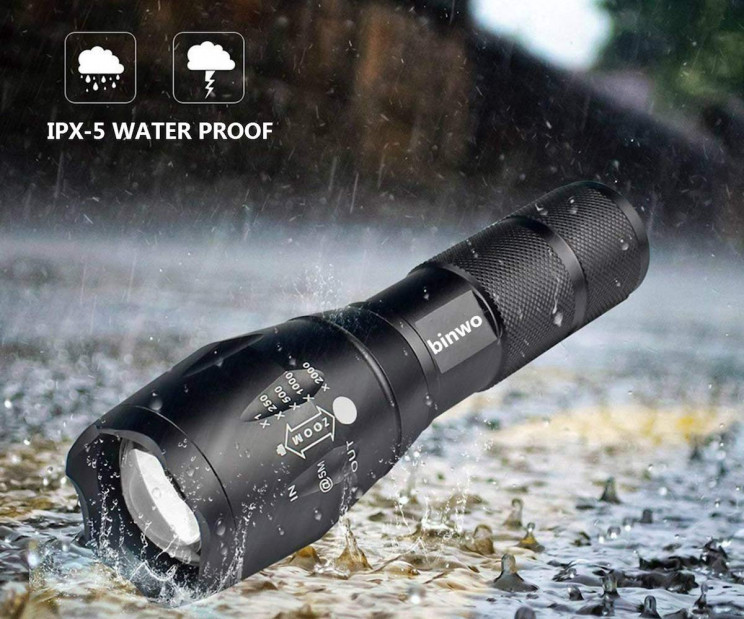
Light is survival. During a citywide collapse or power grid failure, reliable illumination becomes a rare commodity. Whether you’re searching abandoned buildings for supplies or navigating dark pathways at night, a strong water-resistant flashlight is essential. A tactical model capable of producing high lumens gives you a powerful beam that cuts through darkness, rain, or smoke.
Something like a 2000-lumen water-resistant tactical light becomes a life-saver when you’re scavenging for essentials or avoiding unseen threats. Long battery life and durability matter here; a dependable light source can prevent injury, keep you aware of movement around you, and help you signal allies when needed.
3. Versatile Swiss Army Climber Knife
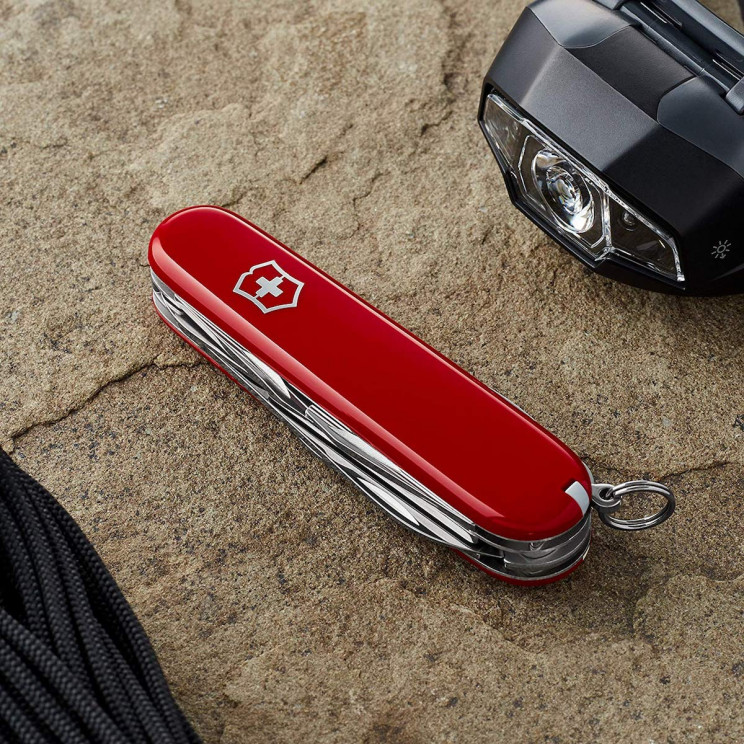
If a single tool represents preparedness, it’s the Swiss Army Knife. Compact, lightweight, and surprisingly capable, it gives you access to multiple built-in functions without carrying a toolbox. In a survival scenario — zombies or otherwise — versatility becomes priceless.
A climber-style Swiss Army Knife provides blades, openers, screwdrivers, and other essentials that allow you to perform quick repairs, cut ropes, open containers, or improvise tools. It’s one of the simplest yet most reliable items to keep on you at all times. Whenever you’re out exploring or scavenging, this small companion becomes irreplaceable.
4. Heavy-Duty Military Tactical Backpack
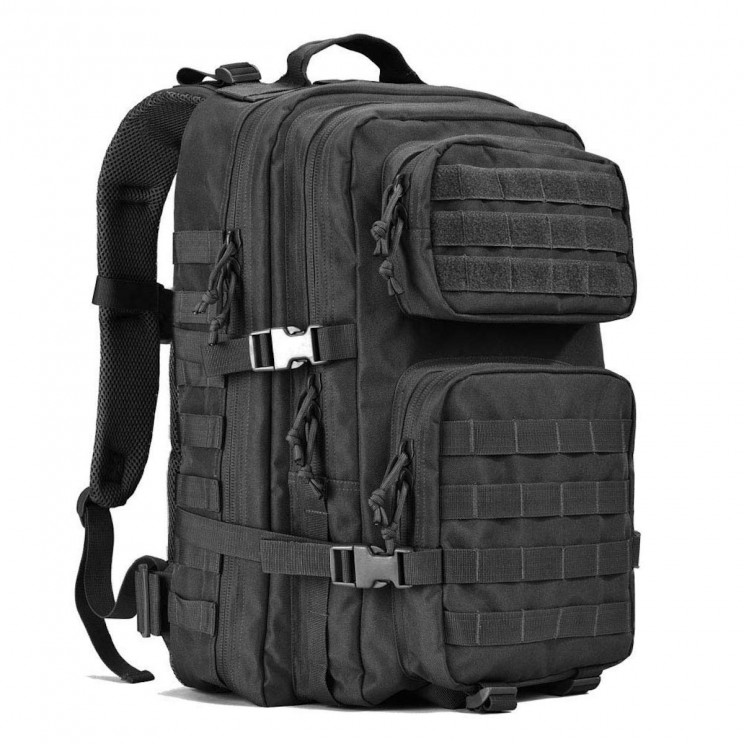
Mobility is key during a zombie outbreak. The early days might allow you to stay in a bunker, but sooner or later you’ll need to venture out for food, medicine, or spare parts. When that time comes, a rugged tactical backpack becomes your lifeline. It has to be large enough to hold several days of supplies while still being durable enough to endure rough terrain and unpredictable encounters.
A well-built military pack offers reinforced stitching, heavy-duty zippers, adjustable compression straps, and multiple compartments for organization. When you’re moving through uncertain environments, having a backpack that doesn’t tear, jam, or fall apart makes every trip safer and more productive.
5. Lifesaver 4000UF Water Filtration Bottle
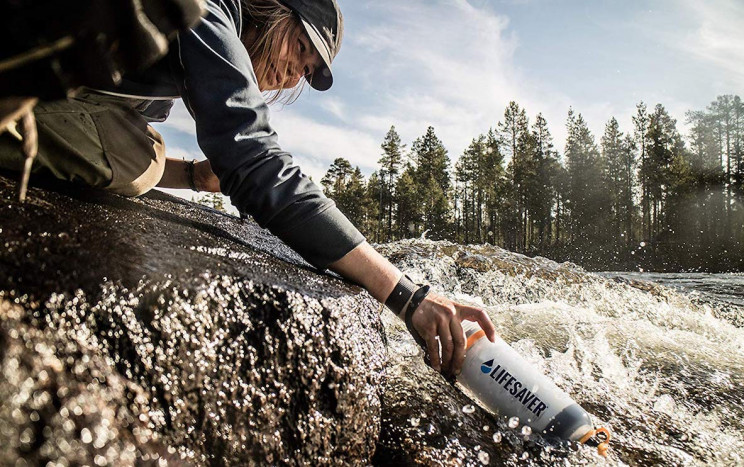
In any survival situation, water is one of the first essentials you’ll search for. But clean water isn’t guaranteed, even when sources look clear. A filtration bottle with a strong purification system allows you to drink from rivers, abandoned fountains, storage tanks, or other questionable sources with far less risk.
A Lifesaver-style filtration bottle removes viruses, bacteria, chemicals, and dangerous contaminants, making it possible to hydrate without relying on bottled water. In an apocalyptic scenario, this single item can literally prevent life-threatening illness, giving you safe hydration anywhere you go.
6. Compact Binoculars for Long-Range Awareness
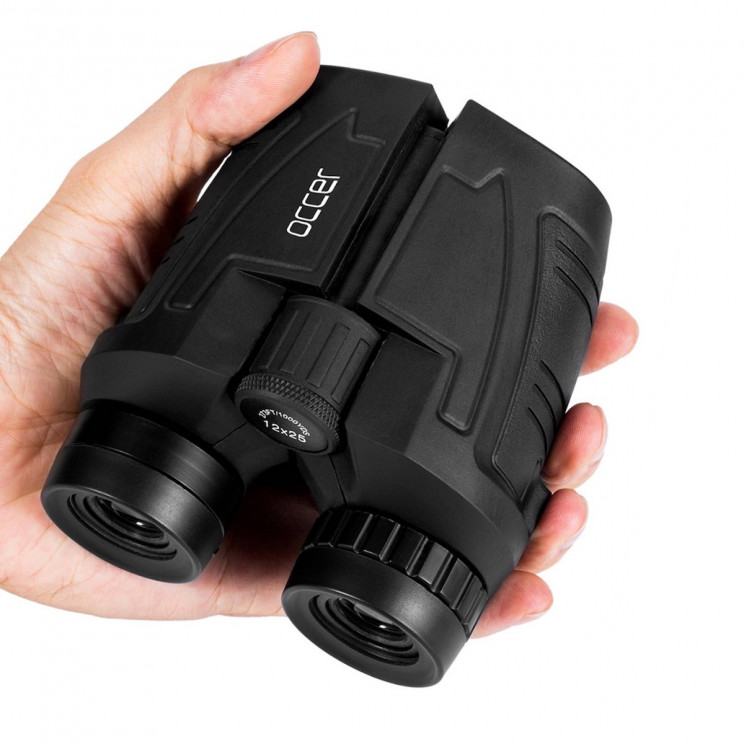
Visibility equals safety. When moving across rooftops, scouting abandoned neighborhoods, or planning escape routes, binoculars help you spot threats long before they reach you. Compact models fit easily in a pack and offer long-range clarity both day and night.
Using binoculars from higher ground lets you identify movement, locate supply opportunities, or avoid dangerous paths crowded with the undead. It’s one of the most underrated survival tools because it prevents problems instead of reacting to them.
7. Durable Parachute Cord for Multiple Uses
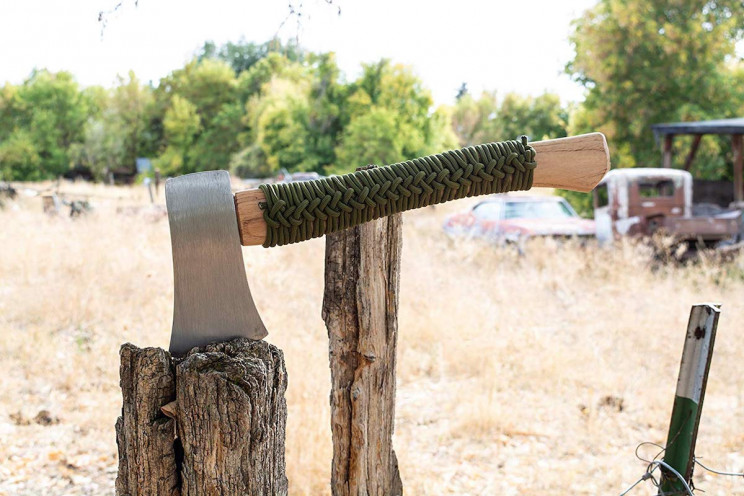
Strong, reliable rope becomes incredibly valuable in emergencies. Parachute cord — or paracord — is lightweight yet powerful, capable of handling tasks that weaker ropes cannot. Its uses are nearly endless: constructing shelter, hanging gear, creating snares, repairing equipment, or forming emergency tourniquets.
In a zombie survival kit, paracord helps you set up defensive structures, secure bags, tie down tarps, or even craft improvised traps. It’s one of those tools that seems simple but ends up solving dozens of unexpected problems.
8. Credit Card-Sized Tool Knife
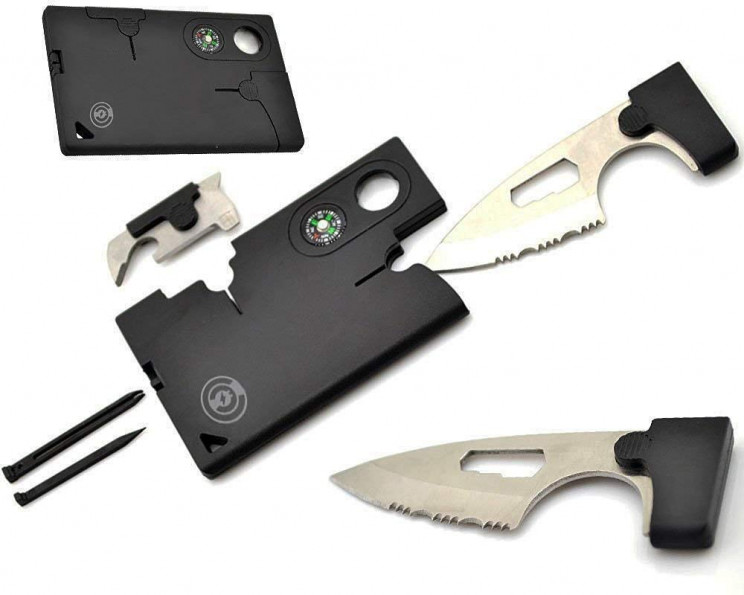
Knives are essential in survival, but carrying multiple blades can be bulky. A credit card knife offers a discreet and lightweight backup tool you can slip into a wallet or pocket without drawing attention. Many come with added features like a small compass or mini tools.
It’s not meant for heavy-duty cutting, but it gives you a quick, accessible option for light tasks when your primary knife isn’t available. In a world where improvisation becomes a daily habit, having tiny but useful backup tools gives you more flexibility.
9. Multi-Function Self-Defense Tool
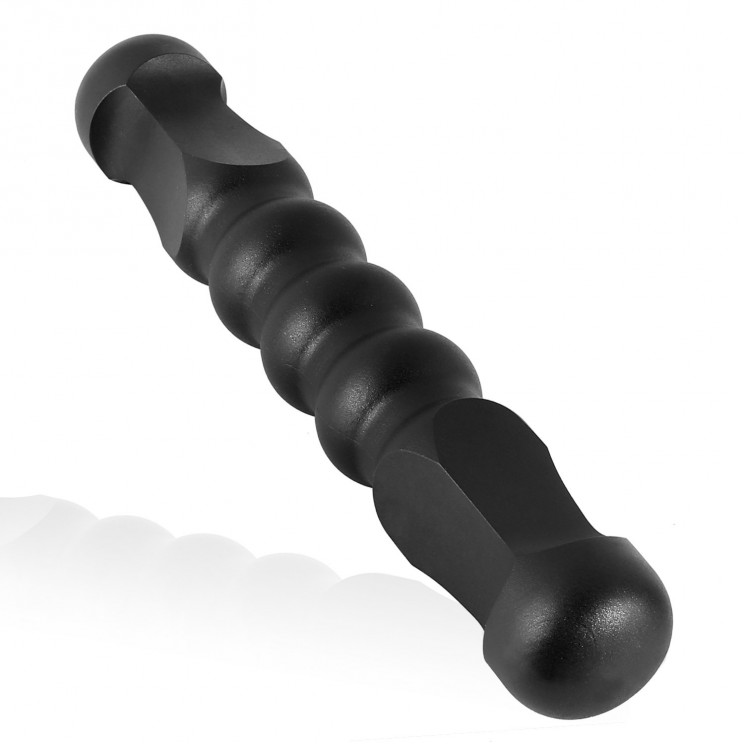
When dealing with the undead — and potentially hostile survivors — you need tools that can withstand abuse without failing. A solid multi-purpose self-defense tool offers striking power, durability, and versatility. Many designs include blunt force capabilities, gripping surfaces, or sharpened edges.
This type of tool becomes useful for close encounters when you need something silent but capable of stopping a threat. It serves as both a defensive weapon and a practical item for breaking objects, prying open containers, or clearing debris.
10. Cold Steel Brooklyn-Style Impact Bat
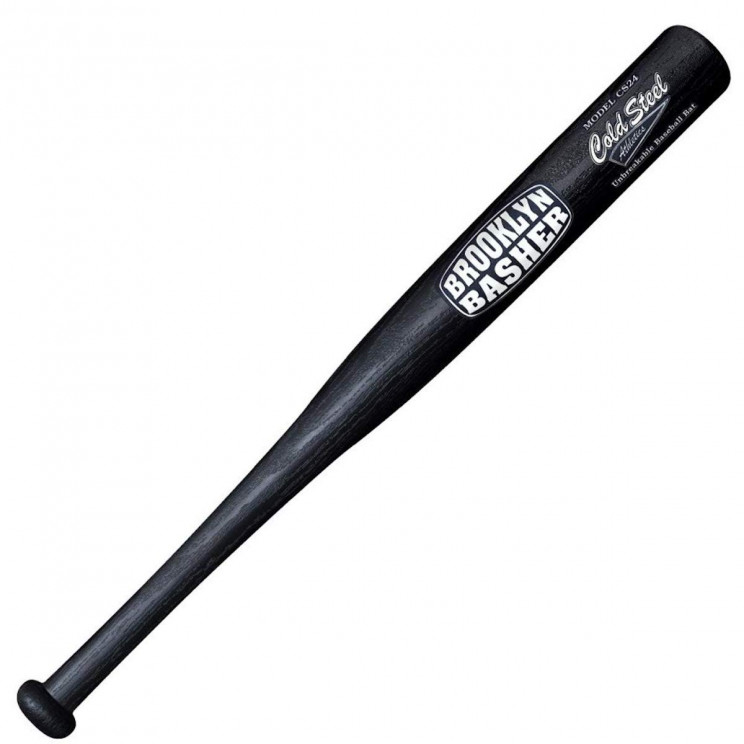
When ammunition runs low — and it eventually will — you’ll rely on tools that don’t need refilling. A solid impact bat becomes one of the most effective close-range weapons in a zombie scenario. Durable bats made from modern polymers or reinforced materials don’t splinter like wood and don’t bend like cheap metal versions. They deliver consistent, heavy strikes with minimal maintenance.
Fans of survival shows and comics often remember characters carrying similar weapons because they work. A sturdy impact bat allows you to handle threats quietly, conserve energy, and defend yourself without giving away your whereabouts to larger groups of zombies. In survival terms, reliability and silence matter just as much as power.
11. Seatbelt Cutter and Glass Window Breaker

Cars become treasure chests in an apocalyptic setting. People flee in panic, abandoning vehicles filled with supplies like water bottles, tools, lighters, blankets, and first-aid items. But reaching those items safely requires the right tool. A compact extractor — combining a seatbelt cutter with a hardened glass breaker — helps you enter locked cars without wasting time or risking injury.
Whether you’re smashing a window to rescue gear or cutting through tangled straps after an accident, this tool becomes essential. It’s small, fast, and efficient, making it a natural fit for any survival kit.
12. Concealable Outdoor Throwing Weapons
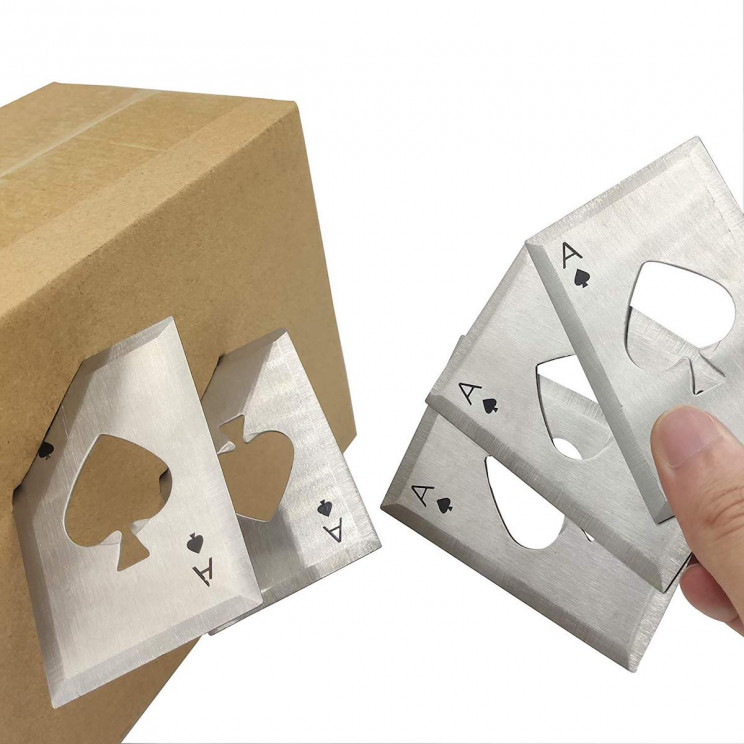
Not every defensive tool needs to be used at close range. Throwing knives, small darts, and compact projectiles give you a silent way to deter threats from a distance. They aren’t meant to replace traditional weapons, but they provide options — something every survivor needs.
Having lightweight thrown weapons allows you to distract, deter, or slow down opponents when you can’t risk drawing attention with noise. They’re also useful for small tasks such as cutting ropes, improvised hunting, or testing distances. In a world where every tool must justify the space it takes, these compact options bring versatility to your pack.
13. Waterproof First Aid Kit for Emergencies
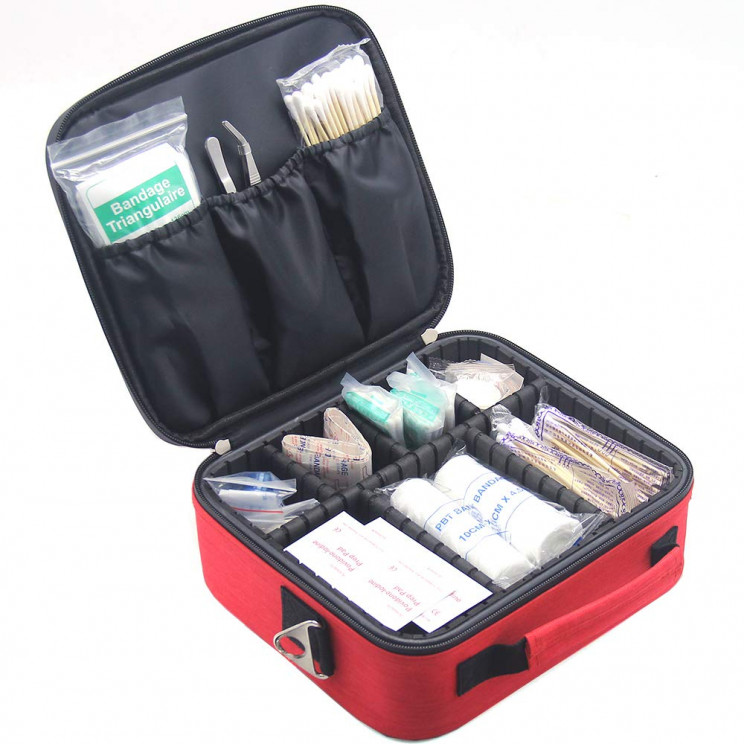
Injury is inevitable during disaster scenarios, and untreated wounds are one of the fastest ways to fall seriously ill. A properly stocked waterproof first aid kit becomes essential whether you’re treating cuts, burns, bites, or general injuries from debris and rough terrain. Keeping medical items dry can be the difference between safe healing and dangerous infection.
This type of kit usually includes basic bandages, antiseptic wipes, gloves, pain relievers, and tools for stitching or dressing wounds. It’s the kind of gear you should already own long before the world falls apart — and in a zombie-filled environment, it’s absolutely non-negotiable.
14. Emergency Beacon for Group Coordination
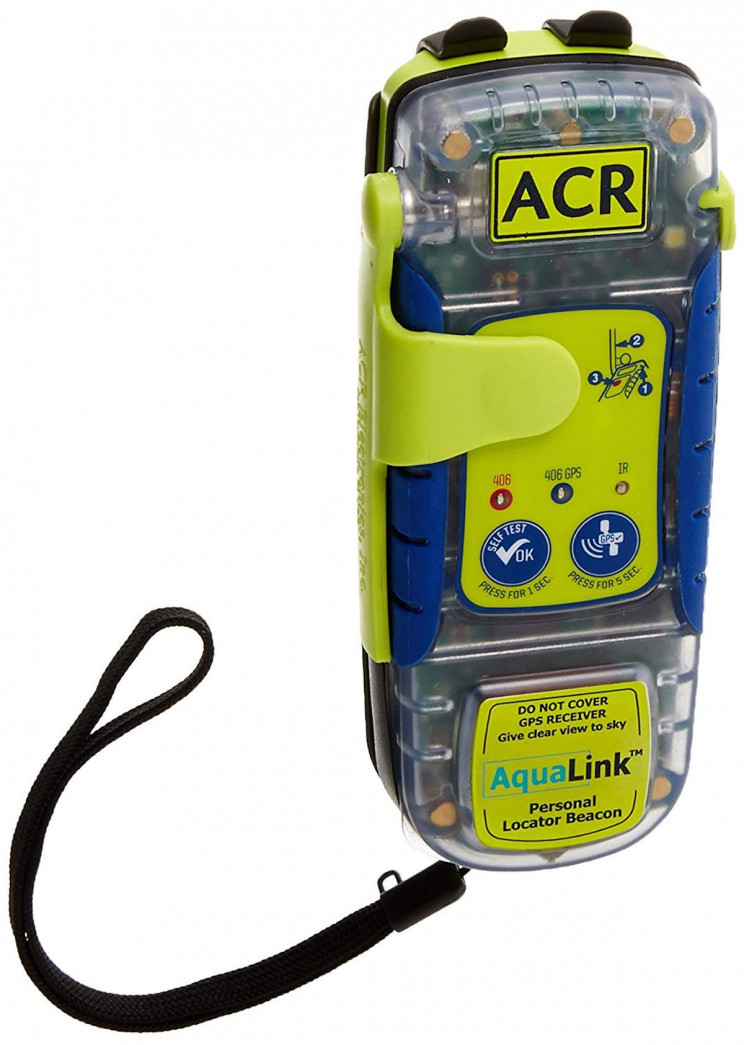
If you’re traveling with a group — or coordinating with others across a distance — a beacon becomes a powerful safety tool. Devices similar to an ACR AquaLink can transmit distress signals or help teammates locate one another when separated. In an environment where communication networks may collapse, a beacon acts like a GPS-powered lifeline.
This tool is especially helpful when someone gets injured or trapped, allowing rescuers to pinpoint their location quickly. In survival group dynamics, time is often the deciding factor between success and tragedy.
15. Compact Sleeping Bag for Harsh Conditions
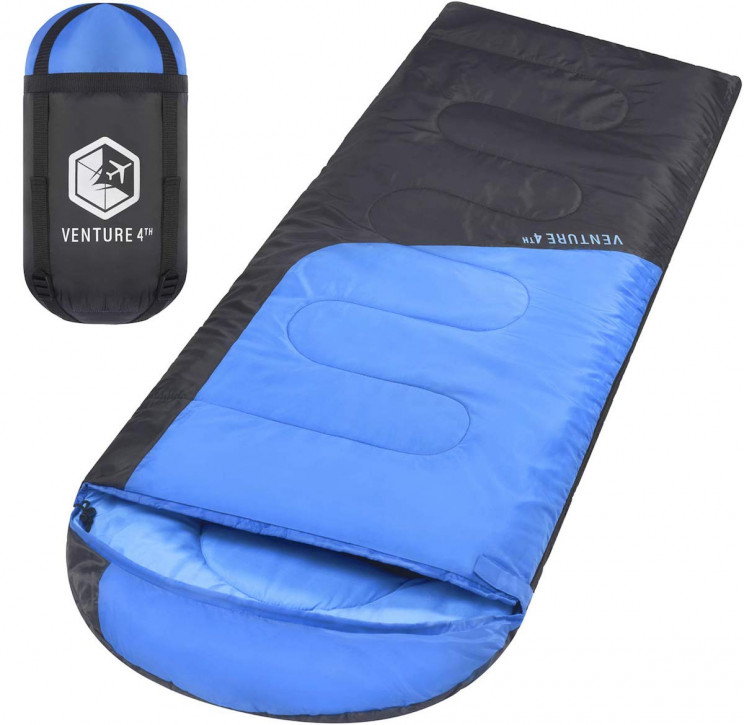
You can’t always control where you sleep during an apocalypse. Floors will be cold, ground will be damp, and improvising shelter will become normal. A quality sleeping bag protects you from cold surfaces, reduces your exposure to harsh weather, and helps preserve body heat. Maintaining warmth prevents illness — something that becomes dangerous fast when medical help is scarce.
A sleeping bag can also double as a temporary shelter, an emergency wrap, or added insulation for improvised beds. Since rest directly affects alertness and decision-making, proper sleep gear becomes a crucial element of long-term survival.
16. Jet Flame Torch Lighter for Fire Building
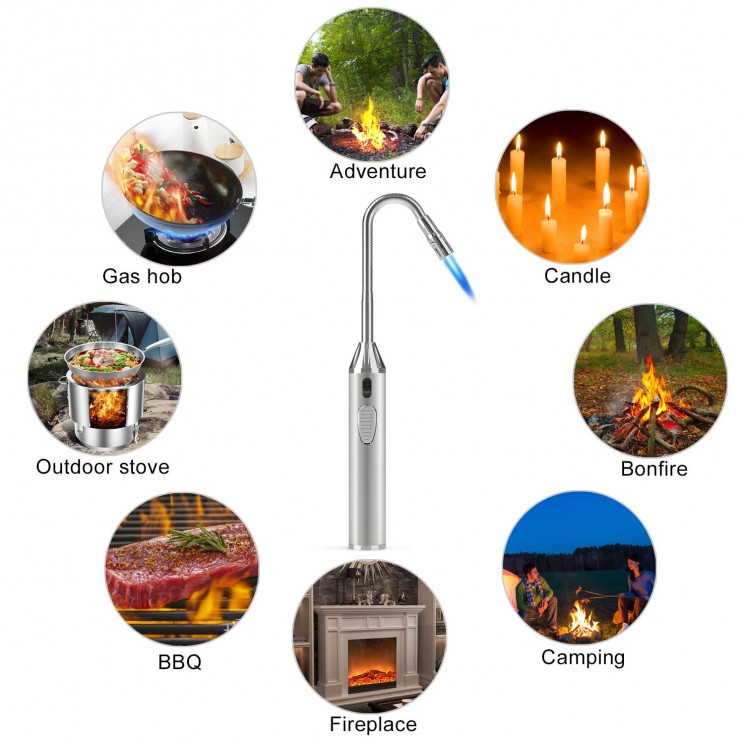
Fire remains one of the most valuable survival assets in any crisis. A reliable jet flame lighter gives you the ability to ignite wet materials, create cooking fires, or warm yourself quickly. Unlike cheap disposable lighters, a torch-style model offers concentrated flame output and performs well in wind or light rain.
Even though it uses butane, the lifespan often ranges between several hundred ignitions, making it dependable for repeated use. Whether you’re preparing food or signaling others, consistent fire-starting capability keeps your survival situation under control.
17. Protective Bandage Cover for Injured Areas
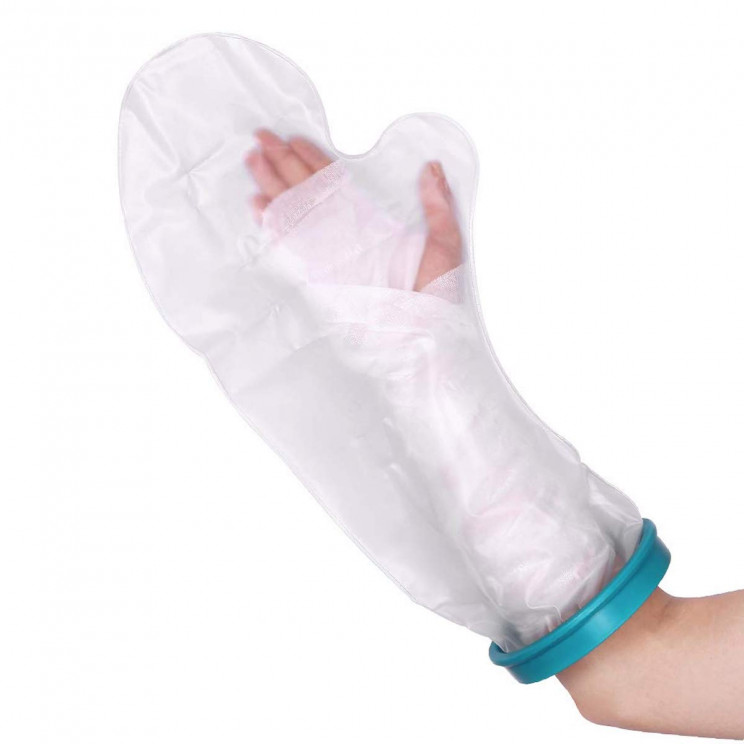
In a world filled with dirt, moisture, and constant movement, keeping wounds clean becomes a challenge. Even small injuries can escalate into major infections if exposed to contaminated surfaces. A waterproof or debris-proof bandage protector prevents contamination, keeping injuries dry while you travel or work.
These protectors aren’t flashy, but they’re essential. Protecting even a single wound can prevent fever, infection, or reduced mobility — all of which can cost you dearly in a survival environment.